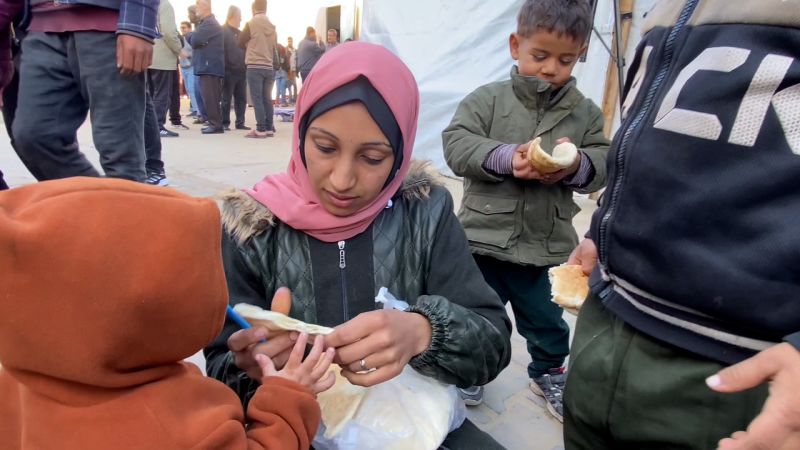
On Palestinian Child Day, which symbolizes the suffering of children in the Palestinian territories, alarming statistics show that more than 21,000 Palestinian children have been killed since the onset of the conflict, with 157 children dying from hunger. These figures reflect the scale of the humanitarian disaster faced by children in Palestine, who are subjected to the most heinous violations.
The situation is worsening under the blockade imposed on Gaza, which has led to severe shortages of food and medicine, threatening children's lives and exacerbating their suffering. Children are the most affected demographic in armed conflicts, facing violence and deprivation of their basic rights.
Details of the Event
Reports indicate that the health conditions of children in Palestine are continuously deteriorating, with many suffering from malnutrition and diseases due to a lack of healthcare. While the world celebrates Child Day, Palestinian children live in a grim reality, where schools and healthcare facilities lack the minimum level of services.
There are increasing concerns about the spread of diseases among children due to poor health conditions, necessitating international intervention to provide essential humanitarian aid. The statistics also indicate that Palestinian children represent more than half of Gaza's population, underscoring the importance of focusing on their rights and needs.
Background & Context
Historically, Palestine has witnessed numerous conflicts that have significantly impacted children's lives. Since 1948, Palestinians have faced multiple tragedies, leading to a worsening humanitarian situation. Children in Palestine live under occupation, limiting their opportunities for education and healthcare.
In recent years, the intensity of the conflict has increased, exacerbating the humanitarian situation. The blockade on Gaza, lasting over 15 years, has led to a decline in economic and social conditions, directly affecting children's lives. The rising numbers of children suffering from hunger and malnutrition reflect the international community's failure to protect the rights of Palestinian children.
Impact & Consequences
The continuation of these conditions will have negative repercussions on the future of Palestinian children, who will suffer psychological and health consequences that may last a lifetime. Additionally, the lack of education and healthcare will hinder their ability to build a better future for themselves and their country.
These conditions require urgent action from the international community to pressure the involved parties to end the conflict and provide necessary humanitarian assistance. There must be greater attention to the rights of Palestinian children, ensuring their access to education and healthcare.
Regional Significance
The issue of Palestinian children is a humanitarian concern that affects all Arabs, reflecting the suffering of the Palestinian people as a whole. The situation in Palestine impacts stability in the region and calls for Arab solidarity and support for Palestinian rights.
Supporting the rights of Palestinian children is part of supporting human rights in general, and there should be a unified Arab movement to pressure the international community to end the suffering of the Palestinian people, especially the children who are the most affected.