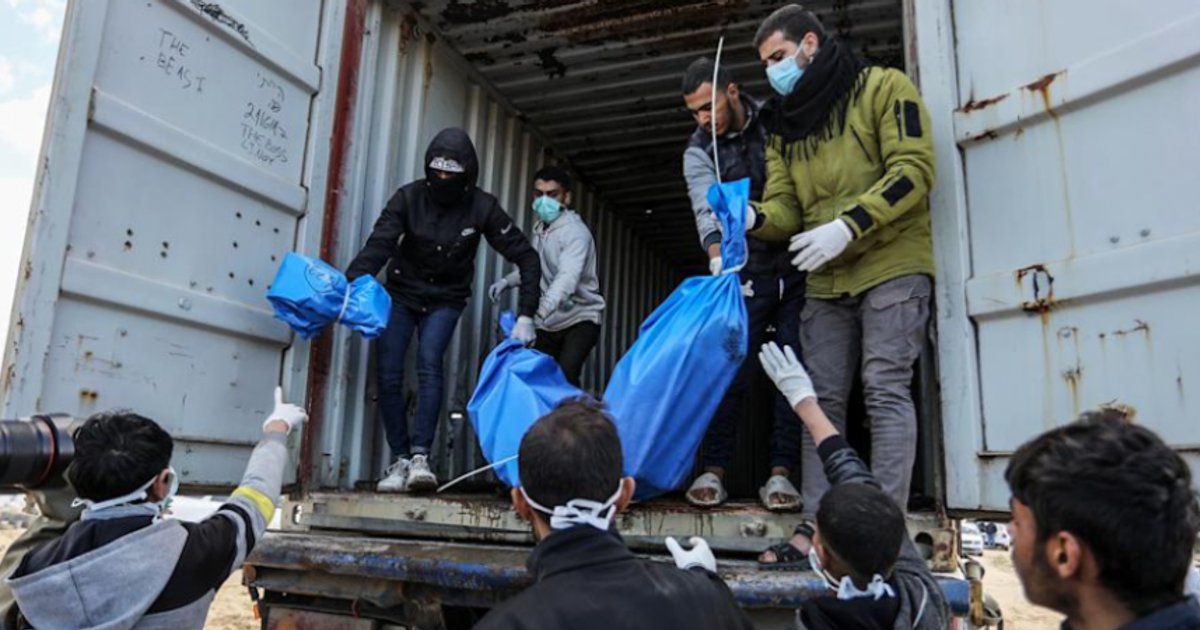
Recent reports regarding the execution of Palestinian prisoners in Israeli jails have provoked angry reactions both locally and internationally. Human rights organizations have confirmed that these actions represent a blatant violation of international laws and human rights, placing Israel in a difficult position before the international community.
In light of these circumstances, concerns are growing that these events may impact relations between Israel and European countries, which have historically supported Israel in various forums. Such violations are seen as a true test of how committed European nations are to the principles of human rights.
Details of the Incident
Reports indicate that the execution of Palestinian prisoners occurred in the context of heightened security measures in the Palestinian territories, where arrests and torture in Israeli jails have increased. Several human rights organizations have documented cases of extrajudicial killings, raising questions about Israel's adherence to international laws.
Despite international pressure, the Israeli government continues to adopt a strict policy towards Palestinian prisoners, reflecting its unwillingness to retreat from its practices. Local sources have confirmed that these policies exacerbate the humanitarian situation in prisons, necessitating urgent international intervention.
Background & Context
Historically, relations between Israel and European countries have experienced numerous fluctuations, with Europe sometimes supporting Israel and at other times criticizing its policies. As violations against Palestinians escalate, some European nations have begun to reassess their relationships with Israel, which could lead to changes in foreign policy.
It is noteworthy that many European countries have issued statements condemning human rights violations in the Palestinian territories, reflecting a shift in the European stance towards the Palestinian issue. These developments come at a sensitive time, as some European nations seek to strengthen their position as mediators in the peace process.
Impact & Consequences
If these violations continue, they may lead to a further deterioration of relations between Israel and European countries. Some European nations may take tangible steps such as imposing sanctions or reducing economic cooperation with Israel, which would have negative repercussions on the Israeli economy.
Moreover, these events could lead to increased international support for the Palestinian cause, as pressures on European governments to adopt stricter stances towards Israel are likely to rise. These dynamics may contribute to reshaping the political landscape in the region.
Regional Significance
These events serve as a wake-up call for Arab countries, highlighting the need to unify efforts to support the Palestinian cause. Amid escalating violations, Arab nations may need to adopt firmer positions towards Israel, including supporting international initiatives aimed at protecting Palestinian rights.
Additionally, these events may strengthen the ties between Arab countries and Palestinians, reflecting greater solidarity in facing challenges. Ultimately, the Palestinian issue remains a central focus in Arab politics and should remain at the forefront of regional and international agendas.