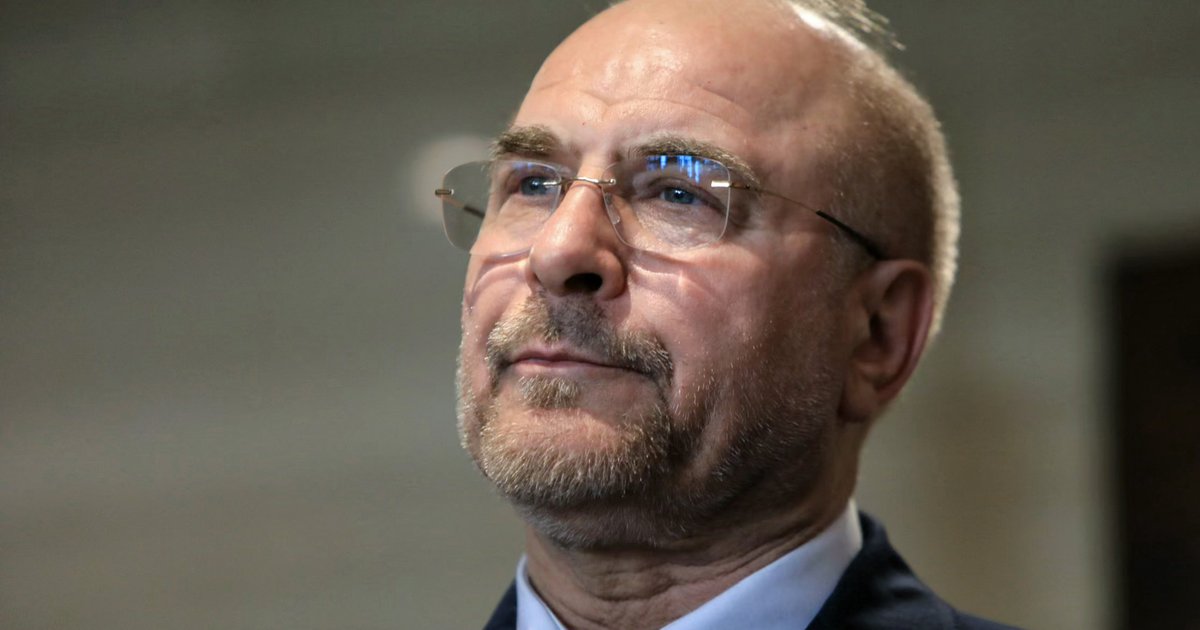
Reports suggesting that the United States may be negotiating with Iranian Parliament Speaker Mohammad Baqer Ghalibaf have incited angry reactions in Tehran, where many Iranians consider Ghalibaf an illegitimate figure due to his history of corruption. This comes at a time when patients are struggling to access treatment amid the escalating US-Israeli conflict against Iran.
Ghalibaf, a former commander in the Iranian Revolutionary Guard, is known for his history of suppressing the student movement in 1999. He served as the mayor of Tehran for 12 years, facing repeated allegations of corruption. Despite Tehran's denial of any negotiations with Washington, Ghalibaf's mention as a potential negotiator has sparked sharp criticism on social media.
Details of the Incident
Many Iranian journalists have commented on Ghalibaf, with journalist Ata Mohammad Tabrizi describing him as "one of the most corrupt and opportunistic figures in the Islamic Republic." Journalist Maryam Moghaddam pointed to allegations regarding his financial record, noting that his family is linked to several corruption cases, including suspicious charitable activities by his wife and financial dealings involving his children.
In another development, reports indicated that Israel had removed Ghalibaf and Iranian Foreign Minister Abbas Araghchi from its target list after Pakistan requested Washington not to target them. This move indicates the complexity of regional relations and its impact on Iranian domestic politics.
Background & Context
Historically, Iran has faced numerous political and economic crises, with the roots of current tensions stemming from increasing US sanctions and international pressure on the Iranian regime. Since the United States withdrew from the nuclear agreement in 2018, tensions have significantly escalated, exacerbating the economic and social conditions in the country.
At the same time, the Iranian healthcare system is under immense pressure due to the ongoing conflict, with the human rights group HRANA reporting that more than 2500 people have died and over 5000 have been injured since the conflict began. These figures reflect the deteriorating situation faced by Iranians, especially patients who require ongoing medical care.
Impact & Consequences
The angry reactions from Iranians towards Ghalibaf indicate a widespread sense of distrust in the current political system. This could affect the stability of the regime, especially under the difficult economic conditions faced by citizens. Additionally, Israeli attacks on Iranian infrastructure, such as the South Pars gas field, reflect a strategy aimed at weakening the Iranian economy and pushing it towards social collapse.
Contemporary Iranian history researcher Payman Jafari states that the true goal of this war is not regime change but rather the destruction of Iran's economic base. These statements reflect the growing concern over the conflict's impact on the daily lives of Iranian citizens.
Regional Significance
Events in Iran directly affect regional stability, as Iran is a key player in many conflicts in the Middle East. The rising tensions between Iran and the United States and its allies, including Israel, could lead to escalated conflicts in countries such as Iraq, Syria, and Lebanon.
Additionally, public reactions in Iran may inspire protest movements in other countries in the region, complicating the political landscape in the Middle East. In this context, Arab countries must closely monitor developments in Iran, as any changes in the Iranian regime or policy could impact their interests and security.
In conclusion, the situation in Iran remains complex and intertwined, with domestic politics overlapping with regional and international tensions. Understanding these dynamics is crucial for any comprehensive analysis of the situation in the region.