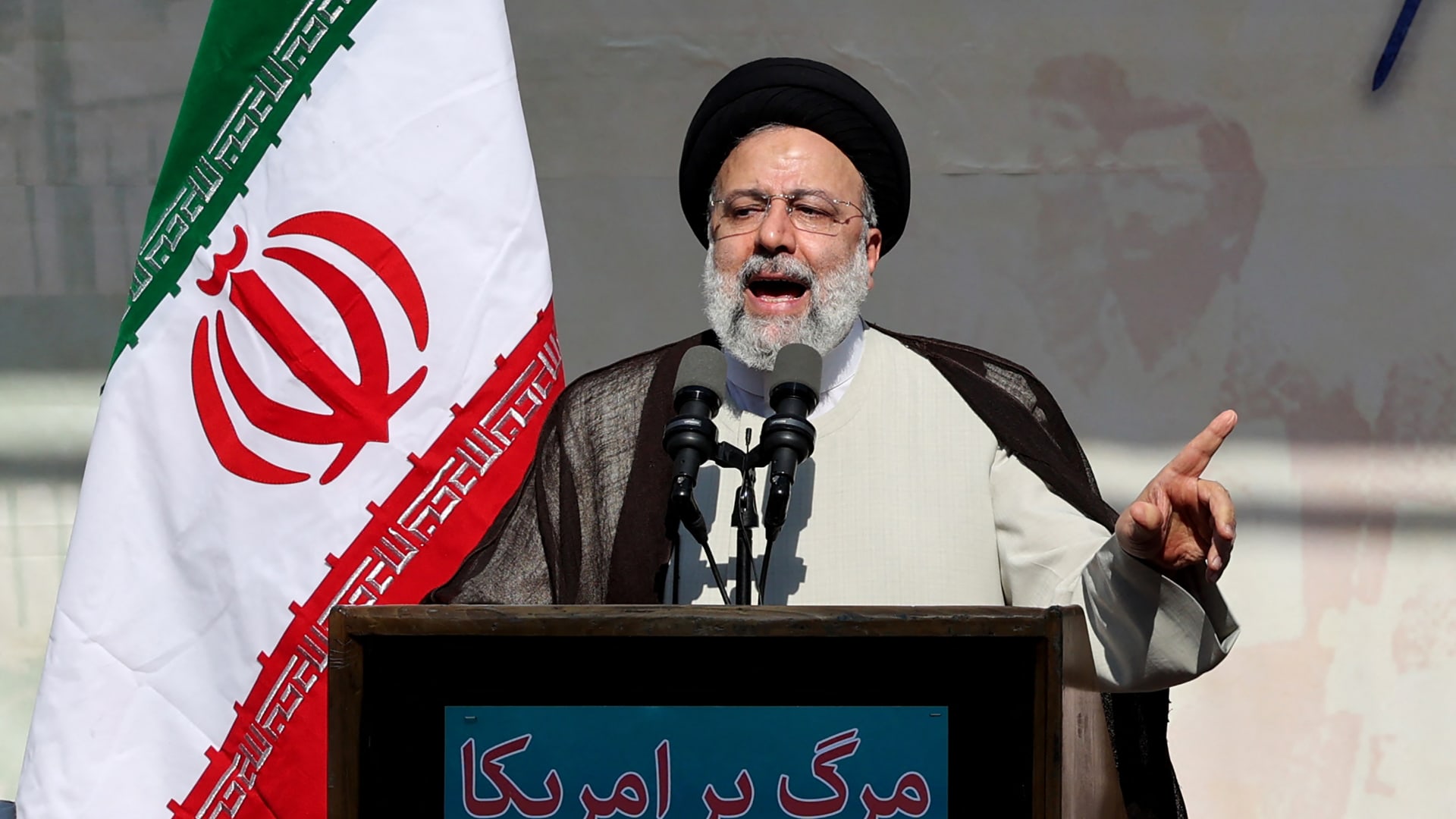
Republicans and conservatives at the annual Conservative Political Action Conference (CPAC) expressed widespread support for the strikes being carried out by the U.S. administration against Iran, announcing their backing for President Donald Trump on an issue that has negatively impacted his popularity and threatens the party's chances in the upcoming midterm elections scheduled for November.
The conference, which runs until Saturday, featured prominent Trump supporters framing the "moral and religious aspect" of the war on Iran. On stage, a prominent Christian evangelist, a former advisor to Trump, and Iranian political activists declared their support for the war in front of supporters of the "Make America Great Again" movement at the gathering held in Grapevine, Texas.
Event Details
This support comes at a time when many Americans are questioning the war's effectiveness, increasing political pressure on Trump to bring it to an end after it has fueled turmoil in global markets. Many Americans express uncertainty about the justifications for the conflict and are skeptical of the administration's optimistic assessments of military progress.
While Mercedes Schlapp, a senior fellow at CPAC, acknowledged that Americans are concerned about the potential length of the conflict, she used a session attended by two Iranians who were shot by security forces during protests in 2022 to defend the war, stating that it would "liberate the Iranian people."
Schlapp, who served as an advisor to Trump during his first term, said, "This madness must stop. We need to make Iran free again, and we will ensure that America supports them strongly."
Background & Context
The conference is a major annual gathering for Republican politicians and conservative activists, held at a time when voter concerns about the war and rising fuel prices are increasing, threatening the party's chances of retaining its slim majorities in both the Senate and the House of Representatives in the upcoming midterm elections.
A Reuters/Ipsos poll released on Monday showed Trump's approval rating has dropped to 36%, the lowest since he returned to the White House. However, support among his core base remains strong, with 74% of Republicans backing the strikes.
Impact & Consequences
Rev. Franklin Graham, one of the country's most prominent Christian evangelists, framed the war with Iran in religious terms, telling the crowd at the conference that Trump's decision to wage war on Iran was necessary to protect the existence of Israel. Evangelicals represent a crucial part of Trump's political base, and many see the modern state of Israel as a fulfillment of prophecy related to the return of Christ.
Graham stated, "He intervened to protect Israel and the Jewish people from what I believe was a potential nuclear annihilation at the hands of the extremist Islamic regime... Thank God for the blessing of President Trump."
Regional Significance
Among the attendees were dozens of Iranian Americans who support the war. A group of them planned to organize a rally outside the conference venue to show support for Reza Pahlavi, the son of the deposed Shah of Iran, who hopes to lead a transitional government but faces challenges in garnering Trump's support. Pahlavi is scheduled to speak at the conference today, Friday.
Concerns are rising that this war could lead to greater escalation in the region, potentially affecting the stability of neighboring countries and increasing sectarian tensions.
In conclusion, this conference reflects the growing divide in American public opinion regarding the war and raises questions about the future of U.S. foreign policy towards Iran and its impact on relations with Arab countries.