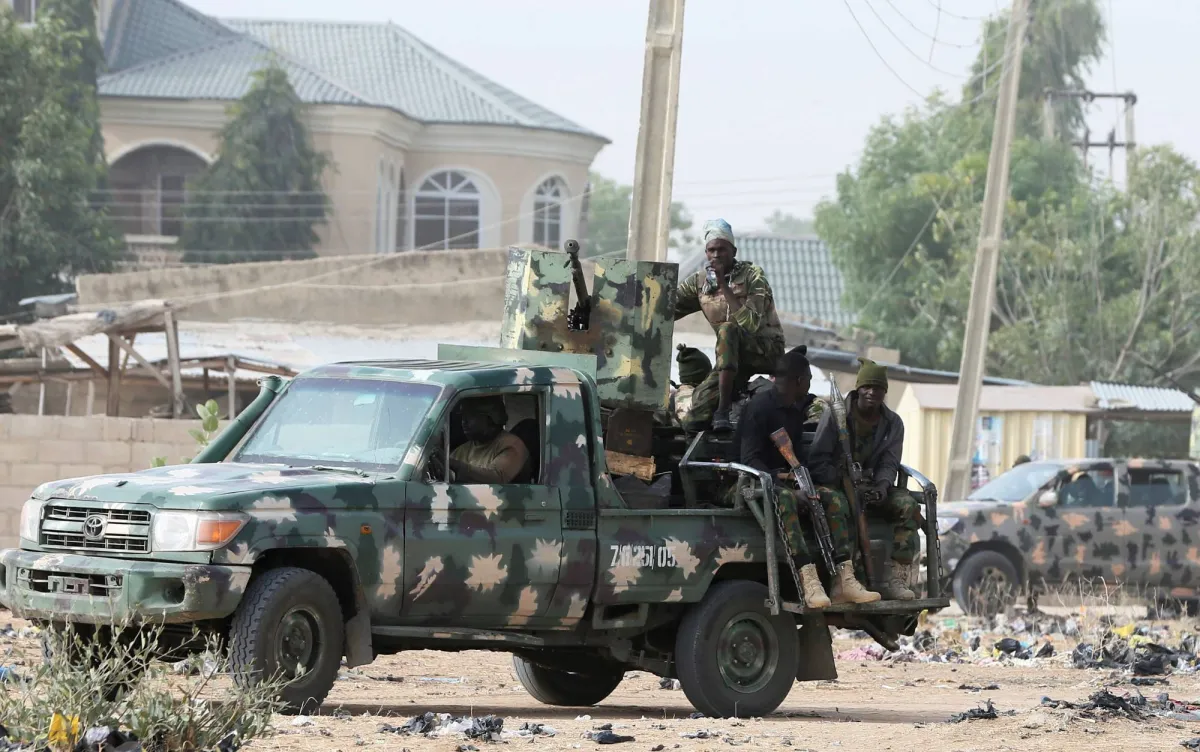
The Nigerian army announced on Sunday that it successfully rescued 31 civilians who were held hostage during an armed attack targeting a church in Kaduna State, located in the northwest of the country. The attack took place during Easter mass in the village of Ariko, resulting in the deaths of five people.
According to the army, Nigerian forces are pursuing the attackers, while Caleb Magaji, the president of the Nigerian Christian Association in the state, confirmed that the attack targeted two churches in the same village. Magaji indicated that the death toll could rise to seven, and that the attackers held an unknown number of hostages.
Details of the Incident
The attack that occurred in the village of Ariko during the Easter celebrations reflects the rising violence in northwestern Nigeria, where armed groups continue to launch attacks on civilians. Reports indicate that search operations for the attackers are ongoing, as Nigerian forces strive to secure the area.
Kaduna State is considered one of the most affected states by violence in Nigeria, having witnessed numerous similar attacks targeting churches and Christian communities in recent years. These attacks are often driven by sectarian and ethnic conflicts, exacerbating tensions among local communities.
Background & Context
Historically, Nigeria has experienced bloody conflicts between Muslims and Christians, particularly in the north. These conflicts are aggravated by poverty, unemployment, and resource disputes, making the country susceptible to violence. Armed groups such as Boko Haram and ISIS West Africa have further complicated the security situation in the country.
Since 2010, kidnapping for ransom has become common in Nigeria, with armed gangs targeting vulnerable communities. These criminal activities have led to widespread fear and instability in many regions, adversely affecting the daily lives of residents.
Impact & Consequences
The recent attack on the church in Kaduna highlights the ongoing security challenges facing Nigeria. The increase in violence could worsen humanitarian conditions, as civilians face the risk of displacement and loss of property. Furthermore, these events may impact relationships between different communities in the country, intensifying sectarian tensions.
On an international level, such incidents may raise concerns among the global community regarding the stability of Nigeria, Africa's largest economy. The rising violence could also affect foreign investments and increase pressure on the Nigerian government to improve security conditions.
Regional Significance
Nigeria is one of the largest Muslim-majority countries in Africa, and any escalation in violence could impact relations between Arab nations and Nigeria. Additionally, the deteriorating security situation could negatively affect Arab communities in Nigeria, necessitating greater attention from Arab governments.
In conclusion, the situation in Nigeria requires an urgent response from both the government and the international community to ensure the protection of civilians and achieve stability in the country.