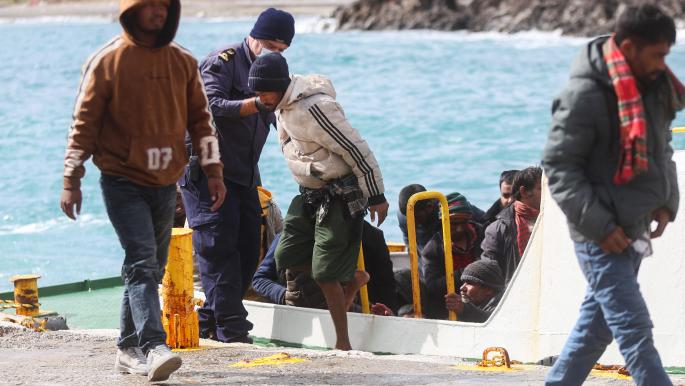
The Greek Coast Guard and the European Border and Coast Guard Agency, Frontex, rescued approximately 400 migrants in rescue operations carried out in the last 48 hours off the coast of Crete. These operations come at a time when the number of migrants attempting to cross the Mediterranean Sea in search of a better life is increasing.
This incident is part of the ongoing migration crisis affecting Mediterranean countries, as many individuals from North Africa and the Middle East seek to reach Europe to escape conflicts and poverty. Greek authorities have noted a significant increase in the number of migrants attempting to reach its shores, necessitating intensified efforts to save lives.
Details of the Rescue Operations
In recent hours, the Greek Coast Guard conducted multiple rescue operations, spotting overcrowded boats filled with migrants at sea. Immediate assistance was provided to migrants who were in deteriorating health, and they were transported to temporary shelters on the island of Crete.
These operations occur under the harsh conditions faced by migrants, many of whom are forced to take dangerous routes to reach Europe. Reports confirm that many of these migrants depart from Libya and Tunisia, where violations and insecurity are on the rise.
Background & Context
Historically, the Mediterranean Sea has witnessed a significant influx of migrants, especially since 2015, when the number of those fleeing conflicts in Syria and Iraq surged. With ongoing crises in the region, the Mediterranean has become a major transit point for migrants.
European countries, including Greece, are striving to address this crisis by enhancing cooperation with countries of origin for migration, alongside supporting rescue operations at sea. However, significant challenges remain regarding European policies on migration, complicating the situation further.
Impact & Consequences
This incident underscores the urgent need to develop effective strategies to tackle the migration crisis. While rescue operations continue, questions remain about how to address the root causes of migration, such as poverty and conflict.
These events also impact domestic policies in European countries, where pressures from right-wing parties advocating for stricter immigration controls are increasing. Conversely, there are calls from human rights organizations to ensure the rights of migrants and provide them with necessary assistance.
Regional Significance
The migration crisis poses a significant challenge for the Arab region, as ongoing conflicts in countries like Syria and Libya affect the lives of millions. Many of these migrants are Arabs seeking safe havens away from wars.
These conditions require greater international cooperation, as Arab and European countries must work together to address the root causes of migration and provide necessary support to those affected. Strengthening dialogue between nations can contribute to finding sustainable solutions to this crisis.
In conclusion, the issue of migration remains one of the most pressing humanitarian challenges of our time, necessitating collective efforts from all stakeholders to protect the rights of migrants and ensure their safety.