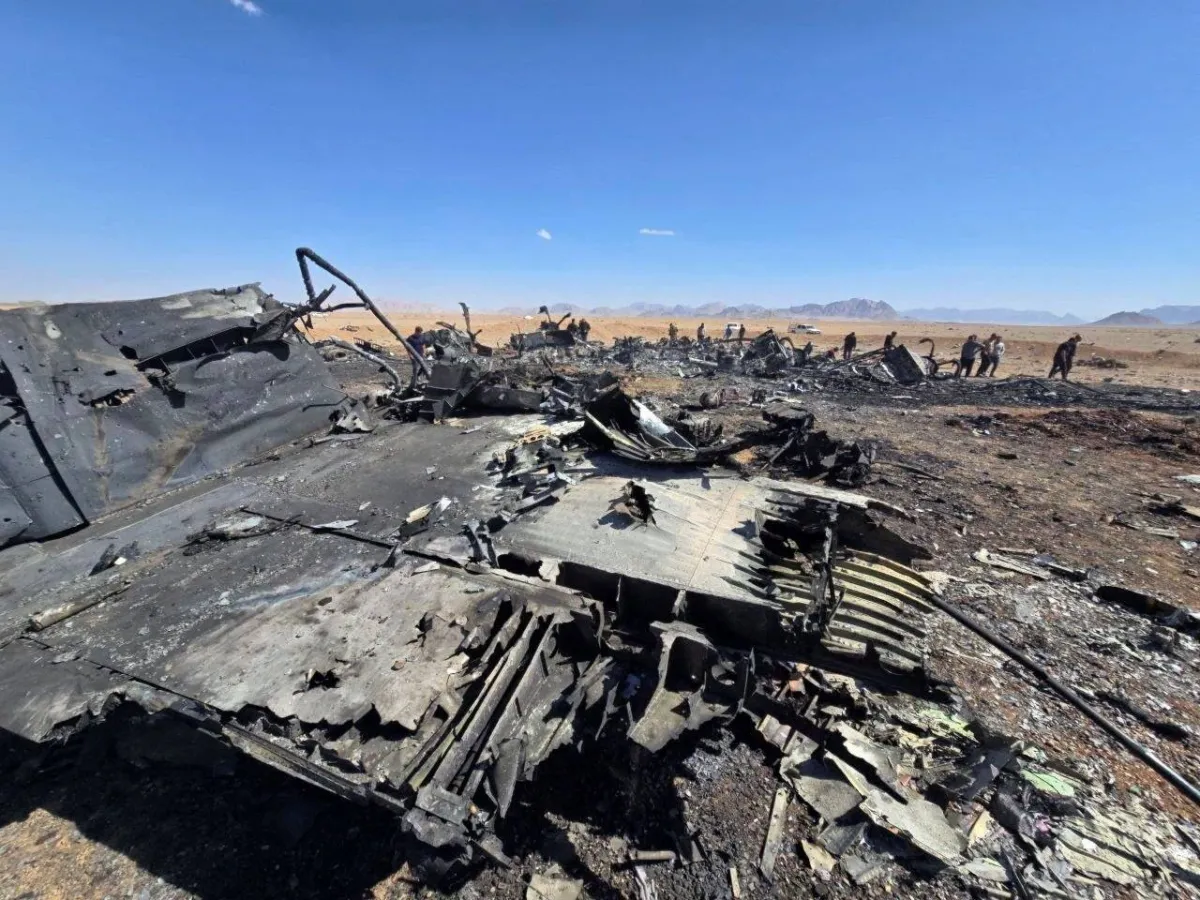
An injured American pilot survived in Iran after 50 hours of complex searching, thanks to an advanced device produced by Boeing. The device, which sent rescue signals and accurately located the pilot in the rugged Iranian terrain, significantly contributed to saving his life, according to a U.S. military official.
During a press conference at the White House, President Donald Trump detailed the operation, emphasizing the importance of the device known as "CSEL." This device, which has been purchased in large quantities by the U.S. Air Force and Navy since 2009, provides secure two-way data communications and a highly accurate location system.
Details of the Incident
Trump reported that the pilot took refuge in the rugged mountains after his aircraft was hit by a shoulder-fired missile. The device he possessed worked remarkably well, sending signals that helped rescue teams locate him. Trump confirmed that the pilot was in good condition, which expedited the rescue process.
John Ratcliffe, Director of the Joint Chiefs of Staff, described the operation as extremely challenging, with human assets and advanced technologies deployed to meet the difficulties. He noted that finding the pilot was a major objective, highlighting the bravery of American soldiers in facing risks.
Background & Context
This incident underscores the importance of modern military technology in military operations. The "CSEL" device represents a significant advancement in military communications, providing immediate communication capabilities with rescue teams, thereby increasing the chances of saving lives in difficult conditions.
Since 2009, U.S. forces have relied on this device in numerous operations, reflecting the importance of technological innovation in enhancing military capabilities. This technology is not only vital in combat operations but also in humanitarian rescue missions.
Impact & Consequences
This operation demonstrates how technology can alter the course of events on the battlefield. As U.S. forces strive to conduct their operations in complex environments, every minute and every device can have a significant impact on the outcomes of operations.
The challenges faced by U.S. forces in areas like Iran necessitate the use of advanced technologies to ensure the safety of soldiers. The success of this operation reflects the United States' ability to effectively utilize technology in addressing military challenges.
Regional Significance
This incident is significant in the context of the tense U.S.-Iranian relations. The advanced military technology employed by the United States could affect the balance of power in the region, increasing tensions between countries.
Moreover, the success of the rescue operation may bolster the U.S. position in the region, potentially leading to reactions from Iran and neighboring countries. Given the current circumstances, the situation in the region remains complex and requires careful monitoring by all parties involved.