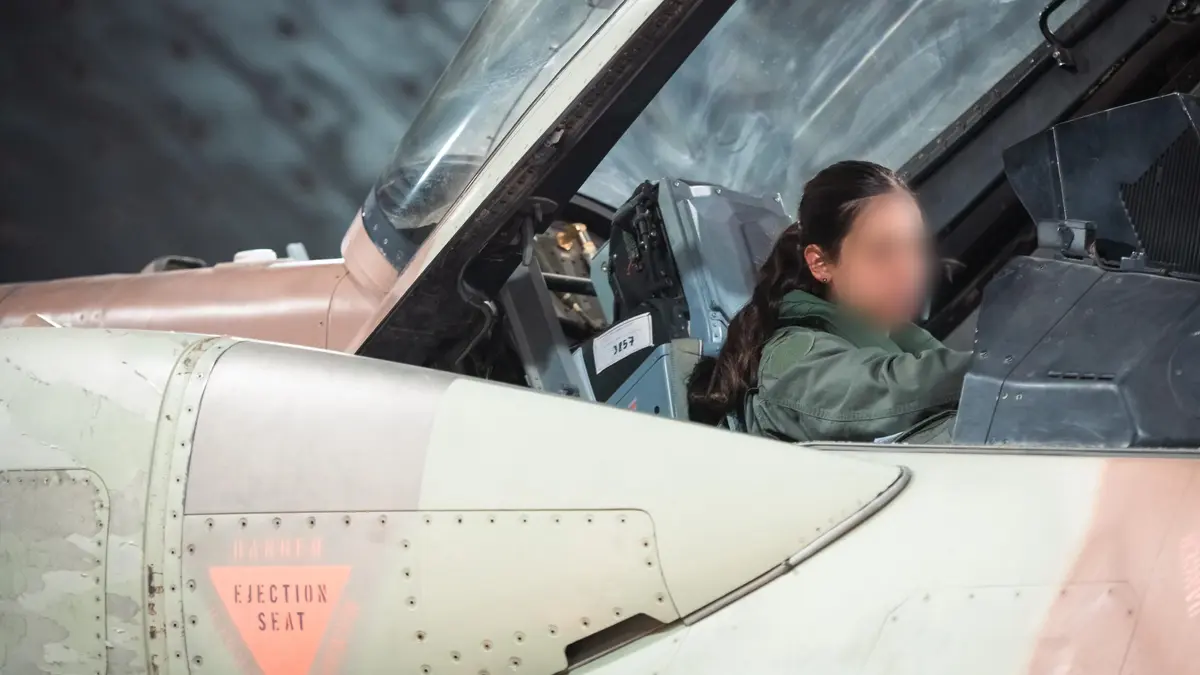
In a bold and complex operation, U.S. special forces managed to rescue an American pilot who was detained inside Iran. The mission, conducted under challenging circumstances, included a chase, deception, and direct confrontations with the Iranian Revolutionary Guard.
The pilot, who had been captured after an emergency landing, was accurately located thanks to precise intelligence information. U.S. special forces devised a meticulous rescue plan, executing the operation early Saturday morning.
Details of the Operation
The operation commenced when U.S. forces received information indicating the pilot's presence in a remote area within Iran. Special forces utilized drones to monitor the area and gather necessary intelligence. After confirming the pilot's location, a rescue team supported by military helicopters was dispatched.
During the operation, the American team faced fierce resistance from Iranian Revolutionary Guard elements, leading to direct clashes. U.S. forces employed advanced tactics to overcome Iranian defenses, successfully rescuing the pilot.
Background & Context
This operation occurs amid escalating tensions between the United States and Iran, with relations between the two countries deteriorating significantly in recent years. Repeated military incidents, along with hostile statements from both sides, have heightened tensions in the region.
The American pilot, whose identity has not been disclosed, was detained following an emergency landing due to a technical malfunction in his aircraft. Such incidents are not new, as the region has witnessed numerous reciprocal detentions between U.S. and Iranian forces.
Impact & Consequences
The success of this operation may bolster the United States' position in the region, demonstrating its capability to execute complex missions deep within Iranian territory. This could also lead to increased tensions between Washington and Tehran, as Iran is expected to respond strongly to this violation of its sovereignty.
Moreover, this operation may affect U.S. relations with its allies in the region, as neighboring Arab countries will closely monitor Iranian reactions and whether they will take escalatory steps against U.S. forces.
Regional Significance
This operation serves as a wake-up call for Arab nations, reflecting the rising military tensions in the region. Arab countries cooperating with the United States may find themselves in a sensitive position, facing pressure from Iran if the situation escalates.
Additionally, these events could impact regional security, potentially escalating conflicts in other areas, such as Iraq and Syria, where both U.S. and Iranian forces are present on the ground.
In conclusion, the situation in the region remains tense, and military operations like this could lead to significant changes in the security and political landscape of the Middle East.