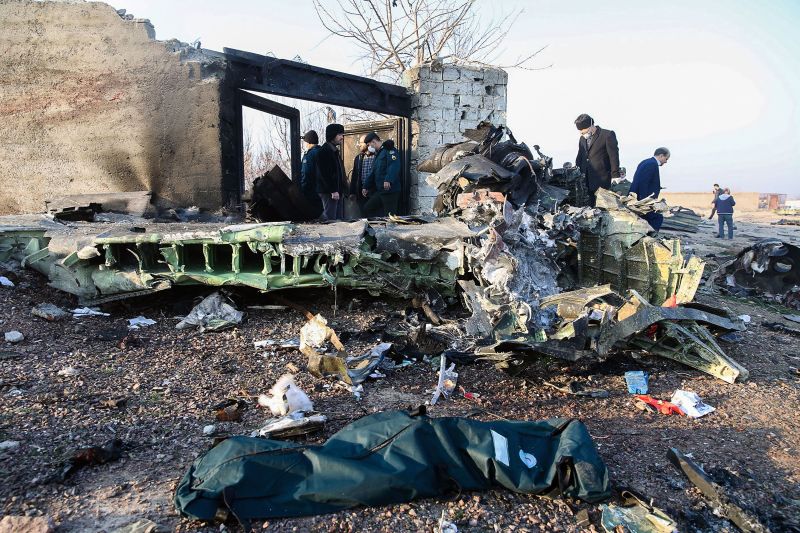
In a dramatic incident, an American pilot was rescued after his plane crashed in southwestern Iran, where an encrypted communication device played a crucial role in determining his location. The accident occurred during a sensitive time, raising questions about safety and the technology used in military aviation.
The pilot, whose identity has not been disclosed, was on a training mission when his aircraft experienced a technical failure that led to the crash. Thanks to the advanced device he possessed, he was able to send a distress signal, which assisted rescue teams in reaching him quickly.
Details of the Incident
According to sources, the pilot was flying over a remote area, complicating the rescue operation. However, the use of the encrypted device helped overcome these challenges. After receiving the signal, a rescue team was dispatched to the location, where the pilot was found in good condition despite the incident.
This incident underscores the importance of modern technology in aviation, as advanced devices can be vital in emergencies. It also reflects the readiness of the U.S. Air Force to face challenges that may arise in remote areas.
Background & Context
Historically, the region has witnessed numerous aviation-related incidents, both military and civilian. Iran, considered a strategic area, has seen many air accidents due to weather conditions and rugged terrain. Nevertheless, the use of modern technology has contributed to improving safety rates in aviation.
In recent years, advancements in communication and navigation technologies have significantly enhanced the ability of pilots to manage emergencies effectively. This incident serves as a reminder of the ongoing need for innovation in aviation safety protocols.
Impact & Consequences
The accident highlights the importance of investing in modern technology in the fields of aviation and rescue operations. It also opens the discussion on how to improve communication systems in aircraft, especially in remote areas. This incident is expected to lead to further investments in the development of advanced communication devices.
Moreover, the implications of this event may encourage military and civilian aviation sectors to collaborate more closely in enhancing safety measures and response strategies during emergencies.
Regional Significance
This incident not only emphasizes the technological capabilities of the U.S. military but also raises awareness about the challenges faced by pilots operating in difficult terrains. The strategic importance of Iran in terms of military operations makes such incidents particularly noteworthy.
As discussions around aviation safety continue, the lessons learned from this incident may influence future policies and practices in both military and civilian aviation sectors.