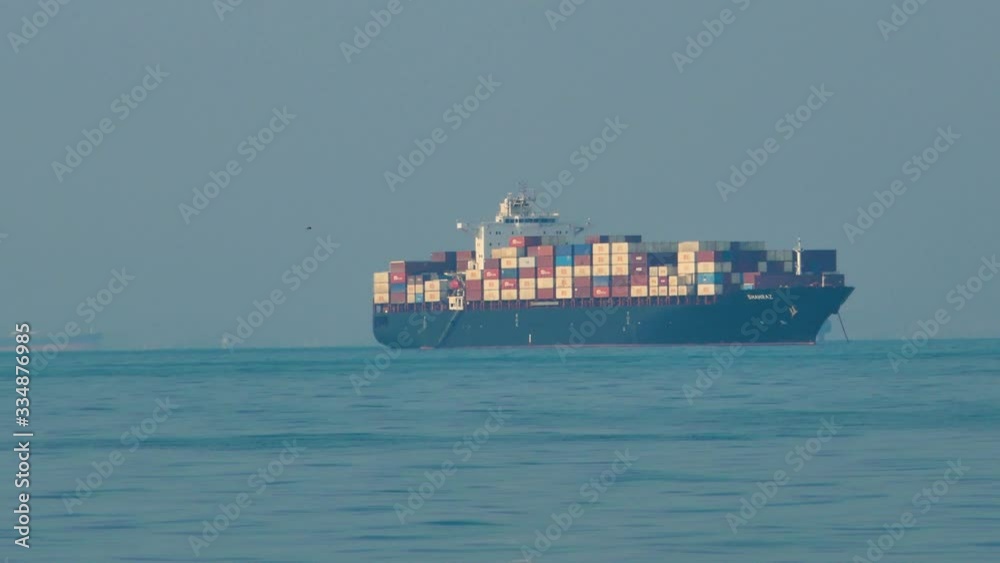
Authorities have announced the start of a rescue operation for stranded commercial ships in the Hormuz Strait, where several vessels are facing difficulties in navigating this vital passage. This operation comes at a critical time, as this area is considered a major hub for global trade. The Hormuz Strait, which connects the Arabian Gulf to the Gulf of Oman, is one of the most important maritime passages in the world, with approximately 20% of total global oil exports passing through it.
The stranded ships are facing multiple challenges, including adverse weather conditions and risks associated with maritime operations. A spokesperson for the navy confirmed that specialized teams are working to assess the situation accurately to ensure the safety of the ships and their crews. The operation is expected to last several days until all stranded vessels are freed.
Details of the Operation
The operation involves coordination between several entities, including local and international navies, with specialized rescue teams deployed to tackle the challenges faced by the ships. Modern techniques have been utilized to analyze the situation and determine the best methods for rescuing the vessels. Additionally, necessary logistical support has been provided to ensure the success of the operation.
These events unfold amid rising tensions in the region, with increasing concerns about the impact of these tensions on global trade. Experts have indicated that any delay in freeing the ships could lead to rising oil prices and negative effects on global markets.
Background & Context
The Hormuz Strait is considered a strategic point in the world, with approximately 17 million barrels of oil passing through it daily. Historically, the strait has witnessed numerous crises and tensions, including military conflicts and maritime threats. In recent years, fears of piracy and political tensions have escalated, increasing the importance of securing this passage.
The economic significance of the Hormuz Strait requires substantial international attention, as many countries rely on oil supplies coming from this region. The past years have seen an increase in cooperation among nations to ensure the safety of maritime navigation in the strait.
Impact & Consequences
The rescue operation for stranded ships in the Hormuz Strait has far-reaching implications, potentially affecting oil prices and global financial markets. Any delay in freeing the ships could lead to price increases, impacting the global economy as a whole. Furthermore, these events may remind stakeholders of the risks associated with tensions in the region.
Moreover, the success of the operation could enhance international confidence in the ability of countries to secure vital maritime passages. Conversely, any failure in the operation could escalate tensions and increase fears of instability in the region.
Regional Significance
The events in the Hormuz Strait hold particular importance for Arab countries, many of which rely on oil exports. Any impact on trade movement in the strait could directly affect the economies of these nations. Additionally, stability in the region is crucial for ensuring the continued flow of foreign investments.
In conclusion, the rescue operation for stranded ships in the Hormuz Strait remains a focal point for the world, reflecting the challenges faced by maritime navigation in a strategic area. The success of this operation could contribute to enhancing maritime security and stabilizing global markets.