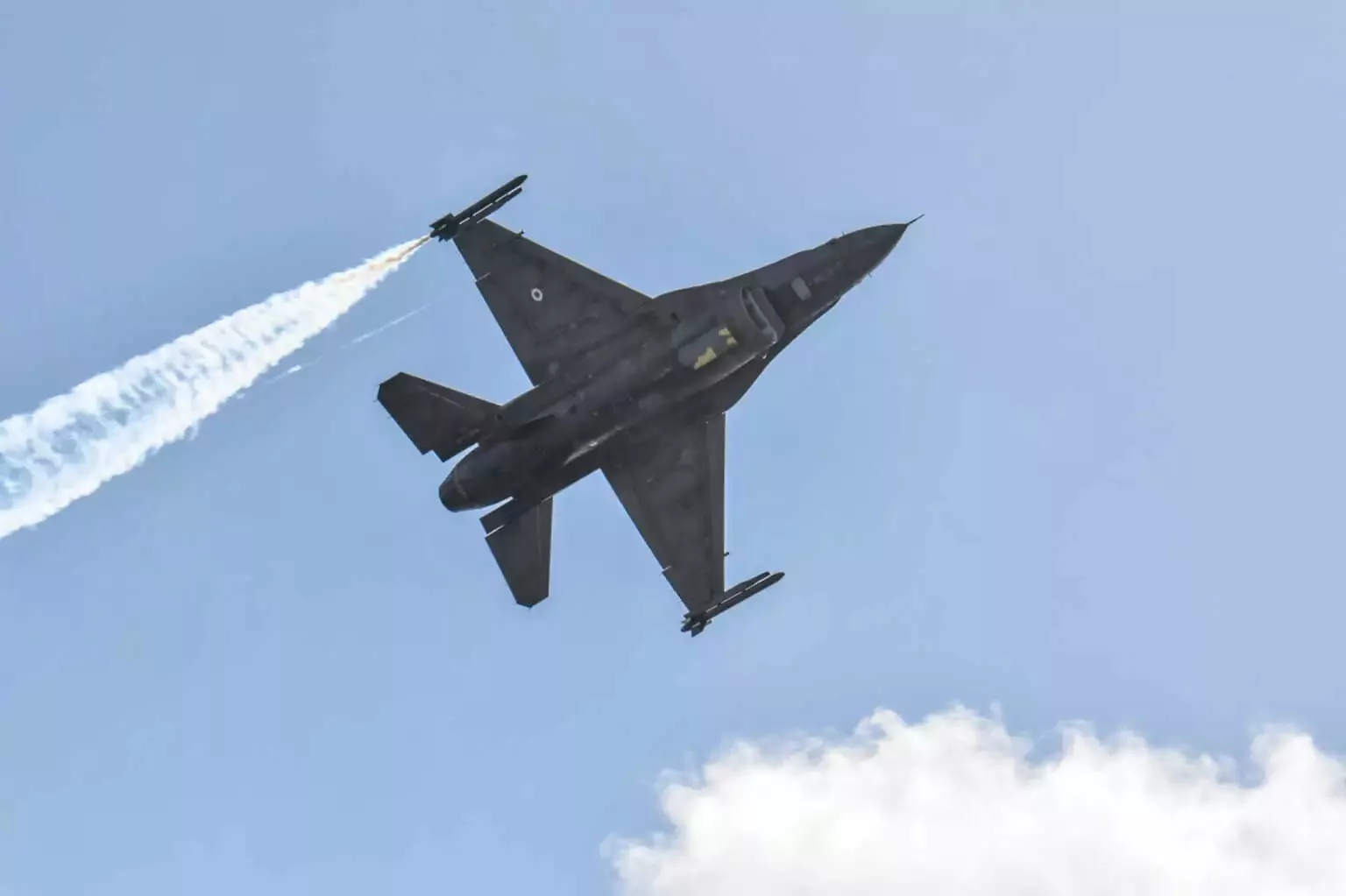
Military sources have announced the successful rescue of the second American pilot who was injured after his F-15E aircraft was shot down, as he was found hiding in a rugged mountainous area. This operation, involving hundreds of soldiers from U.S. special forces, represents one of the largest military rescue missions in recent years.
According to reports published by the New York Times, dozens of American fighter jets and helicopters were utilized in this complex operation. The pilot, whose name has not been disclosed, sustained injuries during the emergency landing, complicating the rescue efforts.
Details of the Rescue Operation
The rescue operation involved complex coordination among various units of the U.S. military, with special forces teams deployed in the mountainous region where the pilot was believed to be hiding. The U.S. Air Force used fighter jets to secure the airspace, while helicopters transported soldiers to designated locations.
The operation lasted several hours, during which teams faced significant challenges due to the rugged terrain and weather conditions. Nevertheless, the teams were able to locate the pilot and successfully rescue him, reflecting the efficiency of U.S. forces in conducting rescue operations under pressure.
Background & Context
This operation occurs against a backdrop of escalating military tensions in the region, where U.S. military activities have increased in recent years. The F-15E aircraft are typically used for bombing and air support missions, making them potential targets in current conflicts.
Historically, the region has seen numerous military operations involving downed aircraft, leading to complex rescue missions. This event highlights the risks faced by U.S. forces in conflict zones.
Impact & Consequences
The success of the rescue operation may boost the morale of U.S. forces and demonstrate their capability to handle crises. Additionally, this operation could influence future military strategies, as it necessitates a reassessment of the risks associated with flight operations in hot zones.
Furthermore, this event may raise questions about the safety of pilots in military operations, potentially leading to changes in military protocols to ensure their safety.
Regional Significance
These events are particularly significant for the Arab region, where U.S. forces continue to maintain a presence in several countries. The success of the rescue operation may reflect the United States' commitment to protecting its soldiers, which could impact relations with Arab nations hosting these forces.
In a related context, such operations may increase tensions between the United States and some countries in the region, necessitating close monitoring of military and political developments.