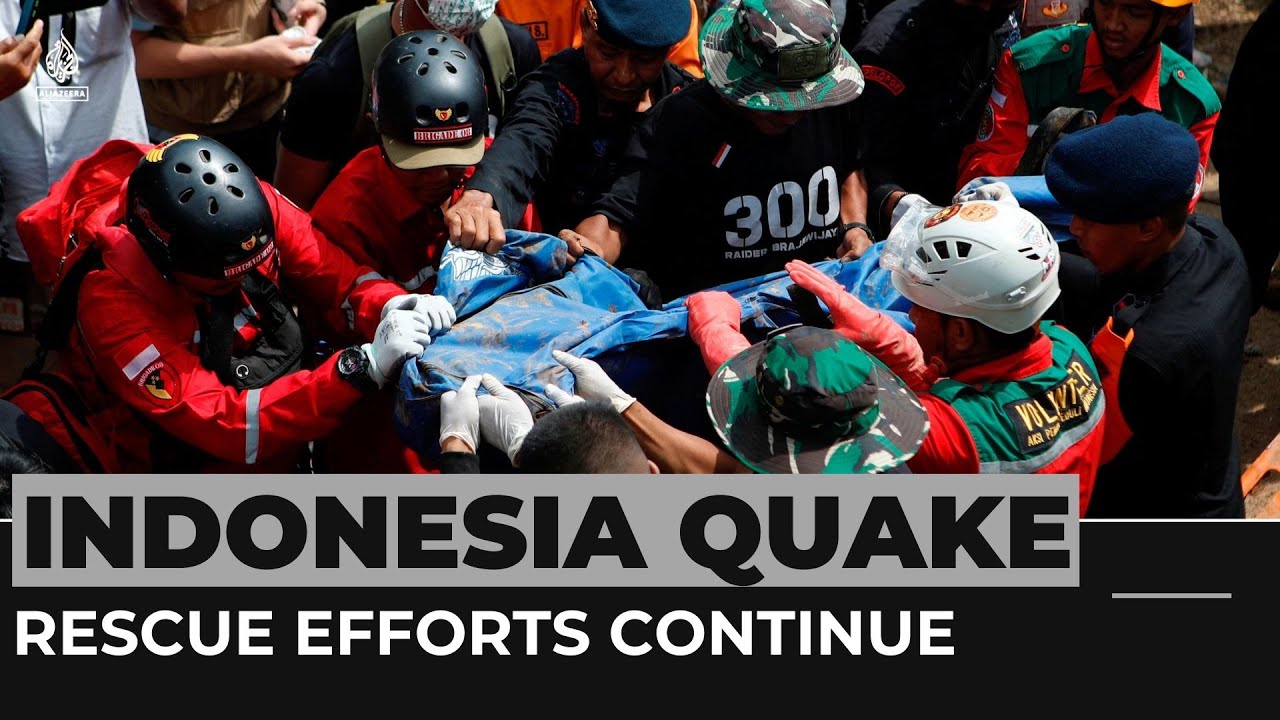
Rescue teams in Indonesia continue their efforts to locate the missing Bibin Subindi (63 years old), who is believed to be buried under the rubble following a landslide that occurred in the Sumedang region of West Java. The incident, which took place on Wednesday evening, resulted in injuries to several people and damage to a number of homes.
The Deputy Chief of Police in Sumedang, Kombes Sunarko, stated that rescue teams are awaiting assessment results to ensure the safety of the evacuation process. The landslide, which occurred in Dusun Serigun at around 6:10 PM local time, injured several individuals, including Avong Suryani (56 years old), Iha (37 years old), and their children Nizam (14 years old) and Nazia (3 years old).
Details of the Incident
Medical care has been provided to the injured, who have since left the hospital after receiving treatment. The safety of other residents, such as Jeni (22 years old) and her two-year-old child Queen, has been reported. Indonesia is among the countries that frequently experience landslides, especially during the rainy season, highlighting the need for improved infrastructure and disaster risk management.
The Indonesian government is working to enhance risk mitigation strategies, including tree planting and soil reinforcement, aiming to reduce the impact of natural disasters on the population.
Background & Context
These incidents underscore the importance of collaboration between government agencies and local communities to ensure the safety of residents. The rapid and effective response from rescue teams reflects the government's commitment to protecting its citizens.
Impact & Consequences
These incidents serve as a call to raise awareness among residents about the risks of landslides and the necessity of taking precautions, such as avoiding construction in vulnerable areas. They also remind us of the importance of preparedness for natural disasters worldwide, including in Arab countries facing similar climatic challenges.
Regional Significance
The occurrence of landslides in Indonesia highlights the urgent need for effective strategies to address natural disasters and enhance cooperation between government entities and communities. As climate change continues to pose threats globally, the lessons learned from such incidents can be applied to improve disaster response and resilience in various regions.
In conclusion, the ongoing rescue efforts and the government's proactive measures reflect a commitment to safeguarding the population against the increasing frequency of natural disasters.