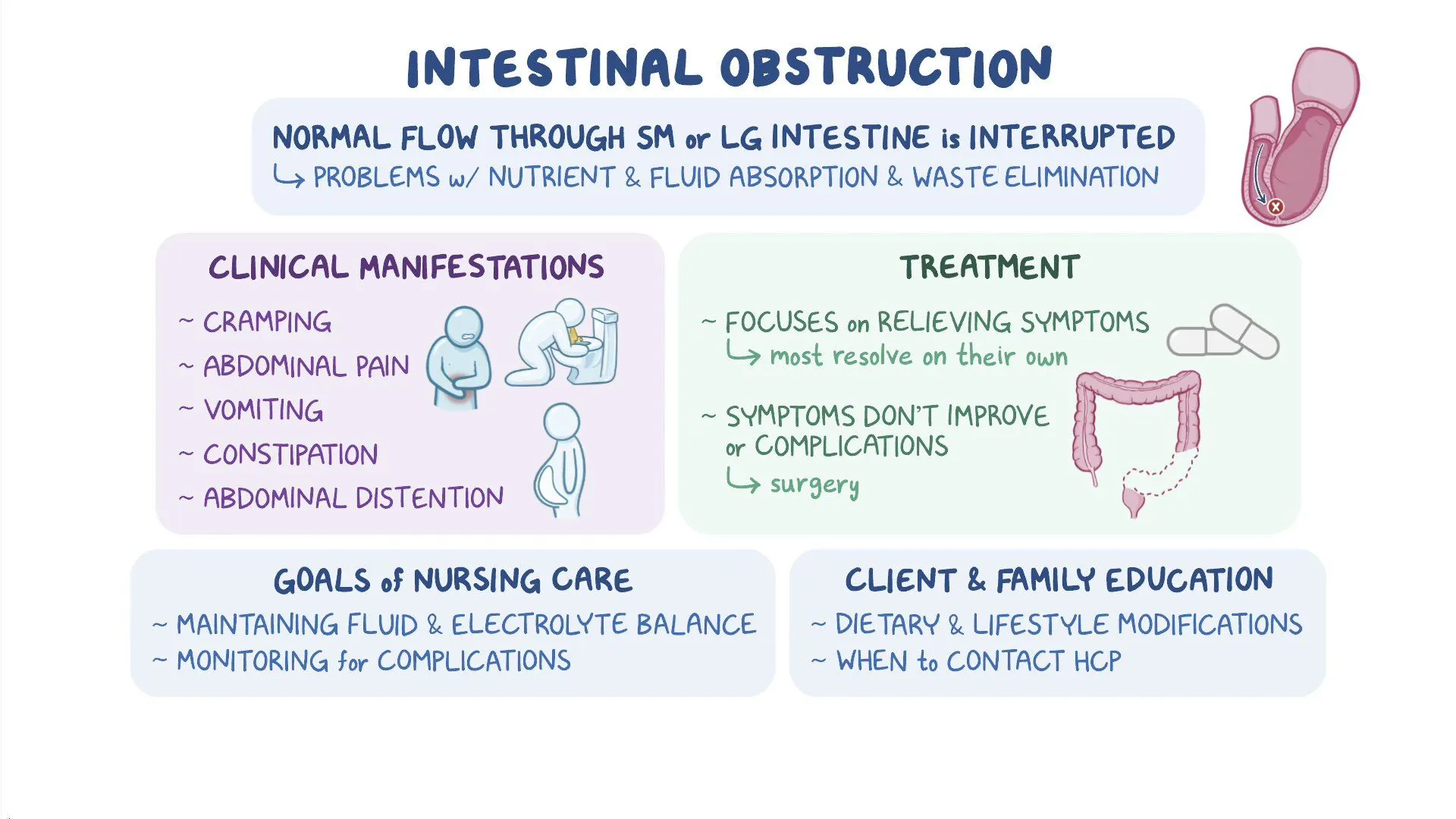
A medical team at Qena General Hospital successfully saved the life of a woman who was suffering from a rare bowel obstruction in her small intestine. The surgery performed on her was complex and took several hours, but the medical team demonstrated their competence and professionalism in handling the case.
The woman, aged 35, experienced severe abdominal pain, prompting her transfer to the hospital. After conducting the necessary examinations, her condition was diagnosed as a rare bowel obstruction that required urgent surgical intervention.
Details of the Event
During the surgery, the doctors removed the damaged tissues and carefully reconnected the intestines. The physicians noted that such cases require high expertise, as any mistake could lead to serious complications. After the surgery, the woman was transferred to the intensive care unit for monitoring her health condition.
This case is considered one of the rare instances faced by hospitals in Egypt, as small bowel obstruction can result from various causes, including infections, tumors, or even previous surgical adhesions.
Background & Context
Gastrointestinal issues are among the most common cases in hospitals, but small bowel obstruction is regarded as a rare condition that necessitates prompt surgical intervention. In recent years, hospitals in Egypt have witnessed significant advancements in surgical techniques, contributing to improved success rates in such operations.
The Egyptian Ministry of Health aims to enhance hospital capabilities by providing continuous training for doctors and healthcare practitioners, which contributes to elevating the standard of healthcare in the country.
Impact & Consequences
The success of the surgical operation not only saved the woman's life but also reflects the level of medical advancement in Egypt. This success may encourage more patients to seek treatment in local hospitals instead of traveling abroad.
Additionally, this case highlights the importance of early examination and accurate diagnosis, as delaying treatment can lead to serious complications that may threaten life.
Regional Significance
Egypt is considered one of the leading countries in healthcare in the Arab region. The success of complex surgical operations enhances the reputation of Egyptian hospitals and attracts patients from neighboring countries. Furthermore, the exchange of expertise among doctors in the region can contribute to improving the overall quality of healthcare.
In conclusion, this case remains a model in the field of medicine, as collaboration among doctors and available resources can lead to positive outcomes that save lives.