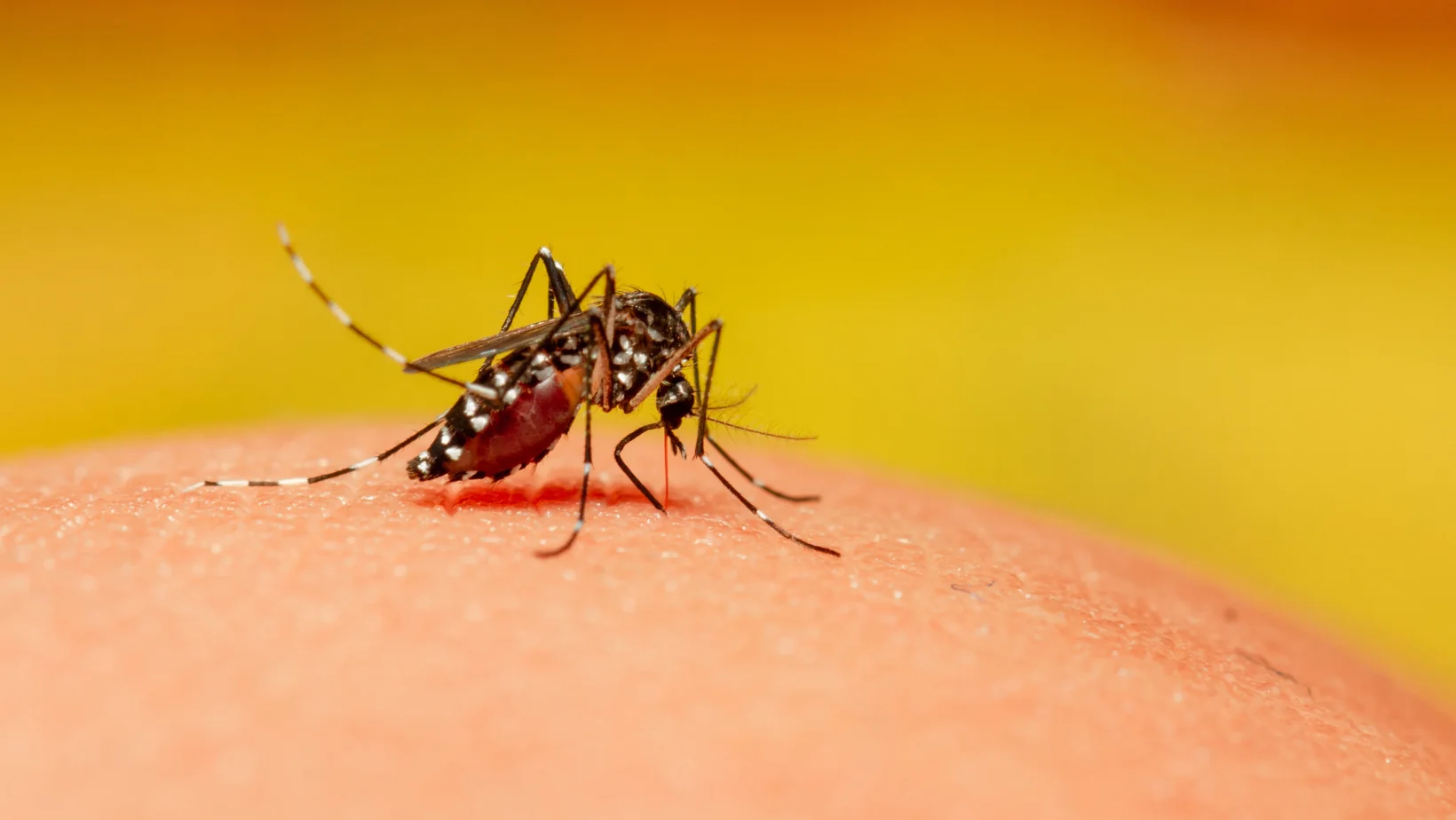
Recent scientific research has unveiled the mechanisms mosquitoes use to locate their victims, highlighting the crucial roles of odors and heat in attracting them to humans. Studies have shown that mosquitoes can detect people from long distances, explaining their prevalence in crowded areas.
As one of the most widespread insects on Earth, mosquitoes are responsible for numerous diseases that threaten human health, such as malaria and dengue fever. Therefore, understanding their behavior and attraction methods is vital for reducing the spread of these diseases.
Details of the Study
A team of researchers conducted a comprehensive study on how mosquitoes utilize odors and heat to identify human locations. The researchers confirmed that mosquitoes rely on a range of chemical signals emitted from the human body, such as carbon dioxide and other chemicals secreted by the skin.
The study also revealed that mosquitoes can distinguish individuals based on their body temperature, preferring those with higher temperatures, making them more attractive. Advanced techniques were employed in this study, including precise sensors to analyze mosquito behavior.
Background & Context
Research into mosquito behavior dates back decades, focusing on how diseases transmitted by these insects spread. With the increasing incidence of mosquito-borne diseases, it has become essential to understand their behavior more deeply.
Mosquitoes are known for their rapid adaptation to various environments, posing a significant challenge to global health efforts. Previous research has shown that mosquitoes can adapt to insecticides, complicating control measures.
Impact & Consequences
These discoveries are crucial for developing new strategies to combat mosquitoes. By understanding how mosquitoes are attracted to humans, scientists can devise new methods to reduce disease transmission. For instance, odors or chemicals that repel mosquitoes could be used as effective preventive measures.
Furthermore, this research could lead to improved insecticide designs, making them more effective in eliminating mosquitoes without harming the environment. It may also contribute to the development of new techniques to lure mosquitoes into traps, helping to reduce their populations in infested areas.
Regional Significance
Many Arab countries face significant challenges due to the spread of mosquito-borne diseases, such as malaria and dengue fever. Therefore, this research represents an important step toward improving public health in the region.
The findings from the researchers could aid in developing effective strategies to combat mosquitoes, helping to reduce disease incidence rates. Additionally, raising awareness about how mosquitoes are attracted can assist individuals in taking effective preventive measures.
Understanding mosquito behavior and attraction methods is a vital step in combating diseases transmitted by these insects. As research continues, we can hope for significant advancements in this field.