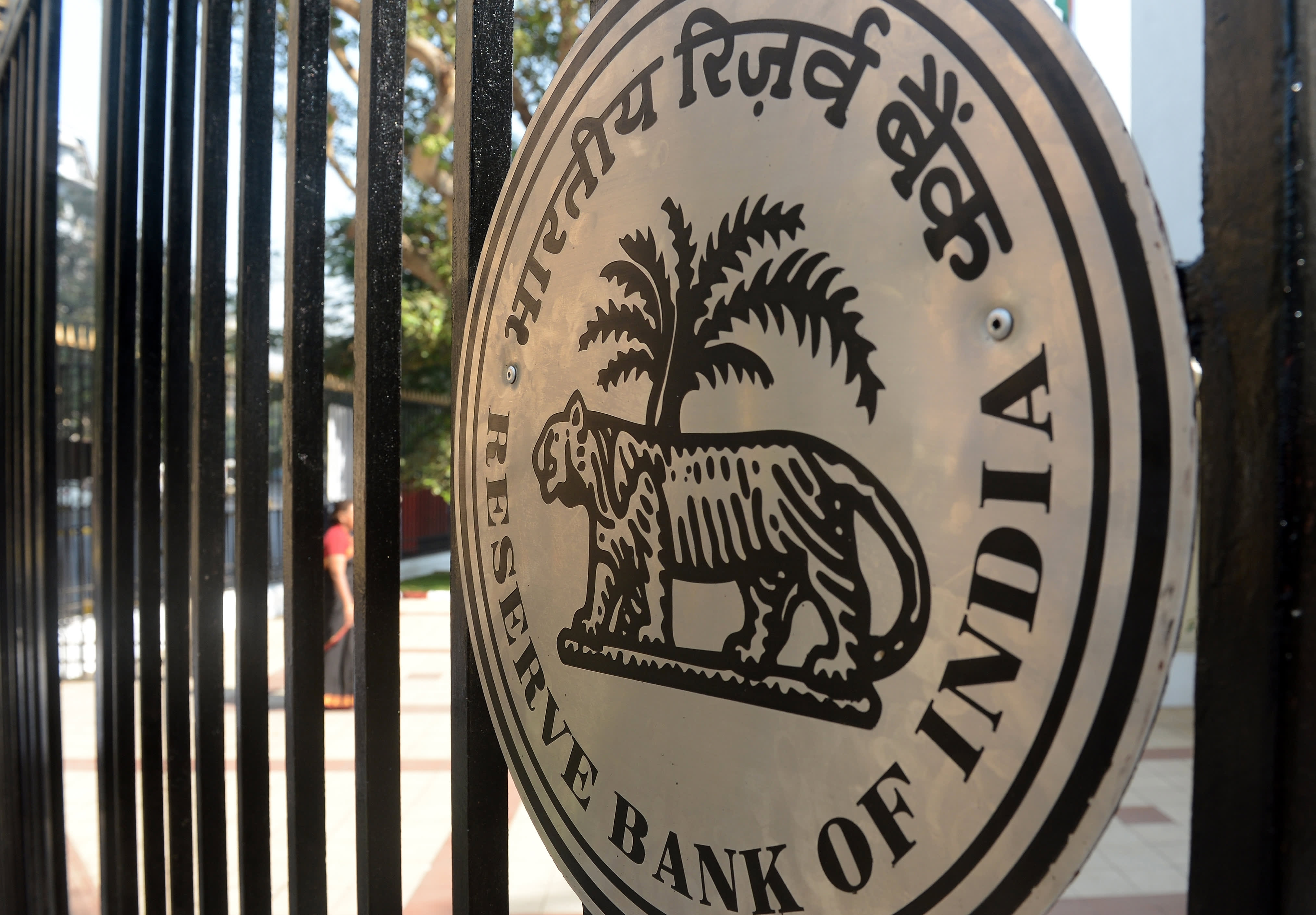
The Reserve Bank of India has announced its decision to hold interest rates steady, marking its first action since the beginning of the crisis in the Middle East. The Indian economy is currently grappling with substantial challenges due to the depreciation of the Indian rupee. Through this move, the bank aims to bolster economic growth and maintain stability in the financial markets.
This decision comes at a sensitive juncture, as the rupee has noticeably weakened, impacting the Indian economy, which heavily relies on imports. The bank indicated that this decision reflects its commitment to supporting economic growth in the country despite the increasing pressures it faces.
Details of the Decision
The decision to maintain interest rates reflects the Reserve Bank of India's strategy in addressing the current economic challenges. The bank has opted to keep the interest rate at 6.5%, the level established in previous meetings. This decision coincides with a significant decline of the rupee against the US dollar, which raises import costs and affects inflation.
The Indian rupee is one of the currencies that has been significantly impacted by global crises, particularly in light of the ongoing events in the Middle East. Analysts have pointed out that this decline could lead to increased inflationary pressures, necessitating additional measures from the central bank in the future.
Background & Context
Historically, India has experienced numerous economic crises that have affected the value of the rupee. In recent years, there have been multiple attempts by the government and the central bank to stabilize the currency and promote economic growth. However, regional and international crises remain influential factors in the stability of the Indian economy.
The current crisis in the Middle East, which involves escalating tensions among several countries, could directly impact India, as the country relies on importing oil and gas from this region. Consequently, any disruption in supplies could lead to price increases and affect economic growth.
Impact & Consequences
The decision to hold interest rates may have multiple effects on the Indian economy. On one hand, it could help support local investments and enhance investor confidence. On the other hand, the continued decline of the rupee may lead to rising import costs, which would elevate inflation levels.
Analysts predict that the Reserve Bank of India may need to take further action in the future if pressures on the rupee persist. This could include raising interest rates in upcoming meetings, which would impact borrowing and overall economic growth.
Regional Significance
The implications of the Reserve Bank's decision extend beyond national borders, as the stability of the Indian economy is crucial for regional economic health. The interconnectedness of economies in South Asia means that fluctuations in the Indian rupee can have ripple effects on neighboring countries.
In conclusion, the Reserve Bank of India's decision to maintain interest rates is a critical step in navigating the current economic landscape, reflecting its efforts to support growth amidst challenging circumstances. The ongoing situation in the Middle East will continue to be a significant factor influencing economic policies and outcomes in India.