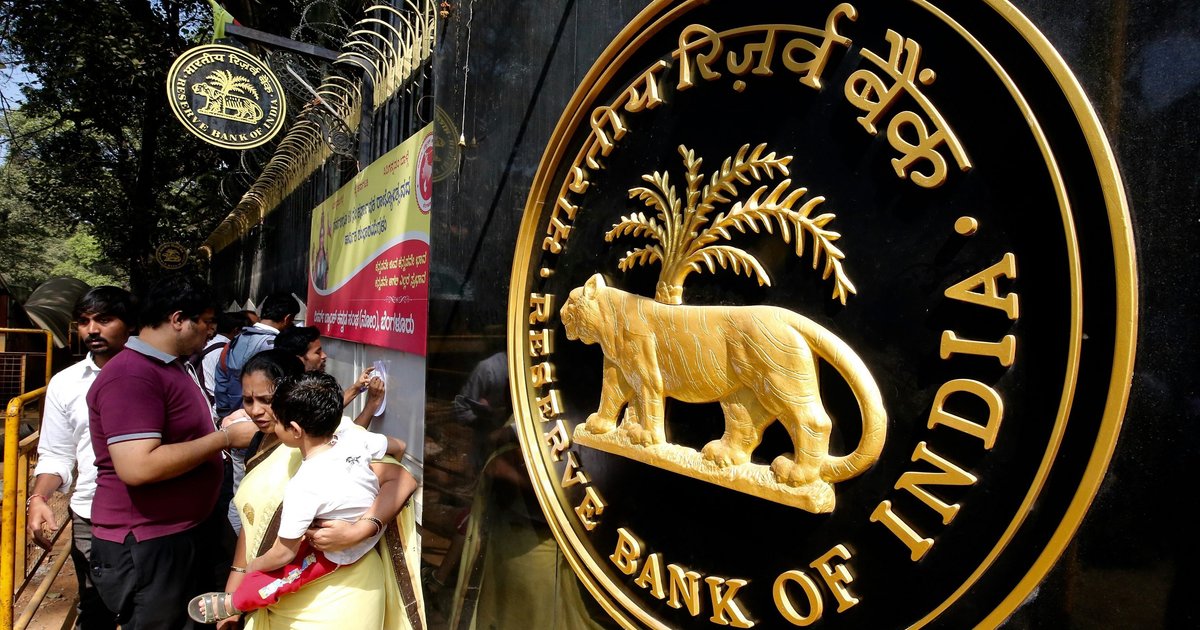
The Reserve Bank of India has decided to keep interest rates unchanged, reflecting its assessment of the war's impacts in the Middle East on the Indian economy, which is among the fastest-growing in the world. This decision aligns with analysts' expectations, who noted that the bank is seeking to maintain economic stability under current conditions.
India is considered one of the fastest-growing major economies, having achieved significant growth in recent years. However, global conditions, including regional conflicts, may affect this growth. By holding interest rates steady, the Reserve Bank of India aims to support economic stability and bolster confidence in the markets.
Details of the Decision
During the Monetary Policy Committee meeting, the Reserve Bank of India decided to maintain the interest rate at 6.5%. This decision comes at a sensitive time when global markets are experiencing volatility due to ongoing events in the Middle East. The bank's governor indicated that economic forecasts remain uncertain, necessitating cautious decision-making.
The central bank emphasized the importance of monitoring international developments and their impact on the domestic economy. It pointed out that any escalation in conflicts could lead to an increase in commodity prices, which may negatively affect inflation.
Background & Context
Historically, India has experienced economic fluctuations due to global events. In recent years, there have been efforts to boost growth through flexible monetary policies. However, ongoing challenges such as inflation and rising energy prices remain a concern. The Reserve Bank of India adopts a monetary policy aimed at achieving a balance between growth and inflation.
India has also been affected by rising oil prices due to conflicts in the Middle East, increasing pressure on the economy. In this context, the central bank seeks to take steps to ensure price stability and promote growth.
Impact & Consequences
The decision to hold interest rates steady may have multiple effects on the Indian economy. On one hand, it could help support domestic investments and enhance investor confidence. On the other hand, the continuation of turbulent global conditions may lead to new challenges.
This decision may also impact financial markets, as investors expect stability in monetary policies. However, any changes in global conditions may necessitate a reassessment of these policies.
Regional Significance
India is an important trading partner for many Arab countries, exchanging goods and services. Any changes in Indian monetary policy could affect trade and investments between India and Arab nations.
Given the current situation, there may be increased interest from Arab investors in the Indian market, particularly in sectors experiencing rapid growth. Additionally, the stability of the Indian economy could contribute to strengthening economic relations between the two sides.
In conclusion, the Reserve Bank of India's decision to hold interest rates steady is a strategic move aimed at enhancing economic stability amid changing global conditions. As global markets monitor developments, the focus remains on how these policies will impact economic growth in India and the region.