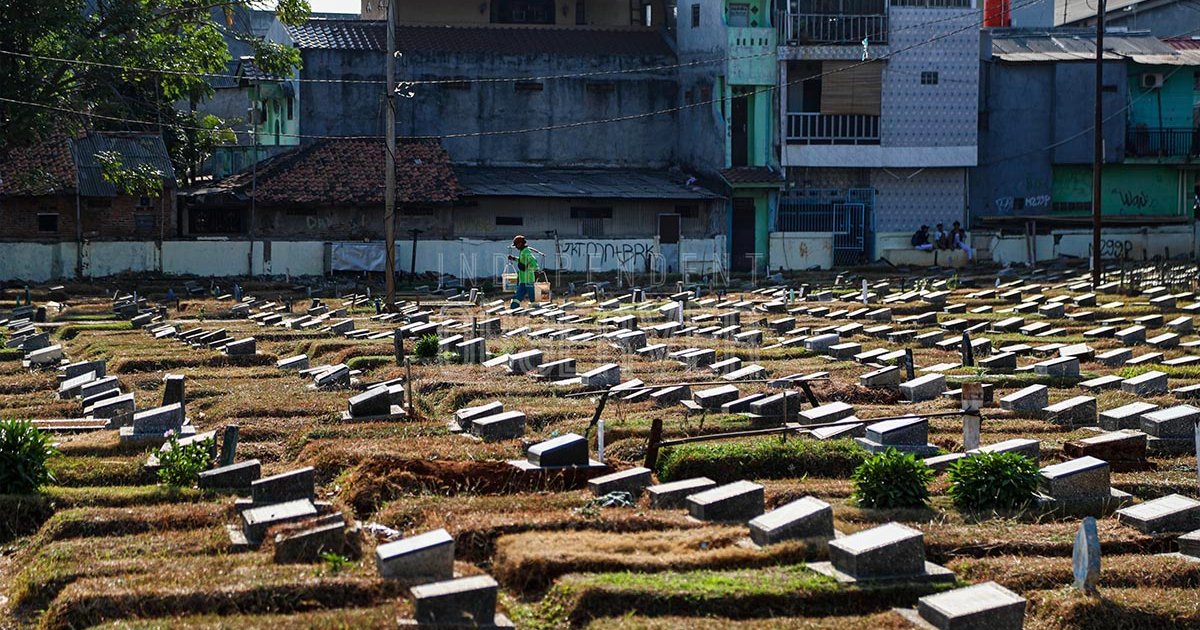
The West Jakarta government has announced the start of the second phase of resettling 128 families affected by the opening of a new cemetery in the regions of Pigadungan and Kamal. The resettlement process was carried out on Monday, after the affected families underwent a comprehensive survey and consultations with local authorities.
Mayor In Muthmainnah stated that this step is part of restoring the function of lands designated for burial, with an area of 65 hectares allocated in the two regions as a site for the new cemetery, due to the shortage of land in Jakarta.
Details of the Resettlement Process
In the second phase of the resettlement process, 128 families, representing approximately 606 individuals, were relocated, with 103 families moved from the Kamal area and 25 families from the Pigadungan area. Among these families, 17 families were resettled in rented housing units, while 111 families chose to move independently.
The housing units allocated for the new residents include units in several locations, such as housing in Pigadungan, Pesakih, Tegal Alor, Rawa Buya, and Nagrak. The mayor expressed hope that these new housing units would provide a better living environment, with easy access to public facilities such as education, healthcare, and transportation.
Background & Context
Jakarta is considered one of the most densely populated cities in the world, leading to significant pressure on resources, including land designated for burial. Since 2016, local authorities have begun implementing a system of interment in other cemeteries due to the shortage of available land. However, the Tegal Alor cemetery in Kali Deres remains the only one capable of receiving new burials.
According to data from the West Jakarta Parks and Forestry Department, there are still 1,314 plots ready for use in the Tegal Alor cemetery, including 1,250 plots in the Islamic section and 64 plots in the Christian section. This indicates an urgent need to expand burial space in the city.
Impact & Consequences
This resettlement process is a significant step towards addressing the land shortage crisis in Jakarta, as the government seeks to provide sustainable solutions to the burial issue. By resettling the affected families, the government hopes to improve the quality of life for those impacted and provide them with a better living environment.
However, these measures raise questions about how they will affect local communities, as some may be concerned about losing their cultural and social identity as a result of moving to new areas. Therefore, it is crucial for the government to continue engaging with residents to ensure their needs and expectations are met.
Regional Significance
The issue of land shortage and resettlement is a concern for many Arab countries, as many major cities face similar problems due to rapid population growth. Jakarta's experience could serve as a model for how to tackle these challenges through effective urban planning and involving the local community in decision-making.
In conclusion, the resettlement of families in Kali Deres represents an important step towards improving living conditions in Jakarta, but it requires careful monitoring to ensure that the desired goals are achieved without negatively impacting the affected communities.