Forecasts indicate that approximately 70% of jobs in the global financial sector will undergo significant changes over the next five years. This reflects the major transformations occurring in this vital sector due to rapid technological advancements and innovations in financial services, which compel financial institutions to reconsider their strategies and employment practices.
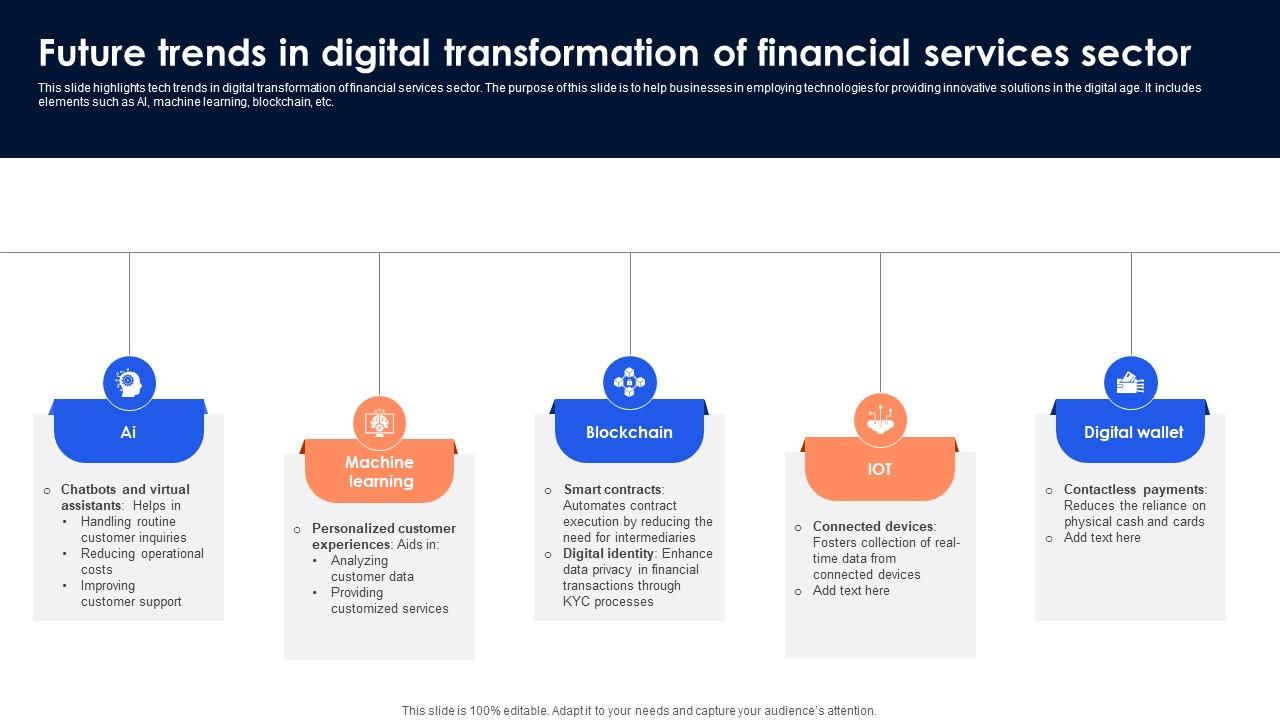
These transformations involve the use of technologies such as artificial intelligence, big data analytics, and FinTech, which contribute to improving efficiency and reducing costs. Additionally, these technologies enable the provision of more personalized and faster financial services to clients, making it an urgent necessity for financial institutions to remain competitive.
Details of the Changes
According to recent reports, the reshaping of jobs in the financial sector will encompass a wide range of roles, from financial analysts to risk managers. The demand for technical skills, such as programming and data analysis, is expected to increase, while the need for traditional skills that were prevalent in the past may decline.
Moreover, these changes will lead to the emergence of new jobs that did not previously exist, creating new employment opportunities in areas such as cybersecurity and software development. However, this shift may also result in the loss of some traditional jobs, necessitating the retraining of the current workforce.
Background & Context
The financial sector has witnessed radical changes over the past two decades, as global financial crises have prompted a reevaluation and development of financial systems. The rise of FinTech has altered the way individuals and businesses interact with money, pushing traditional financial institutions to innovate and adapt to these changes.
The digital transformation in the financial sector accelerated during the COVID-19 pandemic, significantly increasing reliance on digital services. This highlighted the importance of rapid shifts in business strategies and underscored the need for investment in technology and human resources.
Impact & Consequences
The reshaping of jobs in the financial sector is expected to have a significant impact on the global economy. These changes will enhance efficiency and increase productivity, potentially contributing to economic growth. However, the loss of traditional jobs may pose social and economic challenges, especially in countries that heavily rely on the financial sector.
Additionally, transformations in the financial sector may lead to changes in government policies, as governments will need to devise strategies to support workforce retraining and ensure sustained economic growth. This requires collaboration between the public and private sectors to develop effective training programs.
Regional Significance
In the Arab region, these transformations may create new opportunities in the field of FinTech, as many Arab countries are witnessing growth in this sector. Innovations in financial services can enhance financial inclusion, allowing individuals and small businesses to access financial services more easily.
However, Arab countries must be prepared to face the challenges associated with the loss of traditional jobs by enhancing education and vocational training in technical fields. This will be essential to ensure that the workforce can adapt to the new market demands.
In conclusion, these forecasts highlight the importance of technological transformations in the financial sector and their impact on the labor market. They also indicate the necessity for institutions and individuals to prepare for future changes.