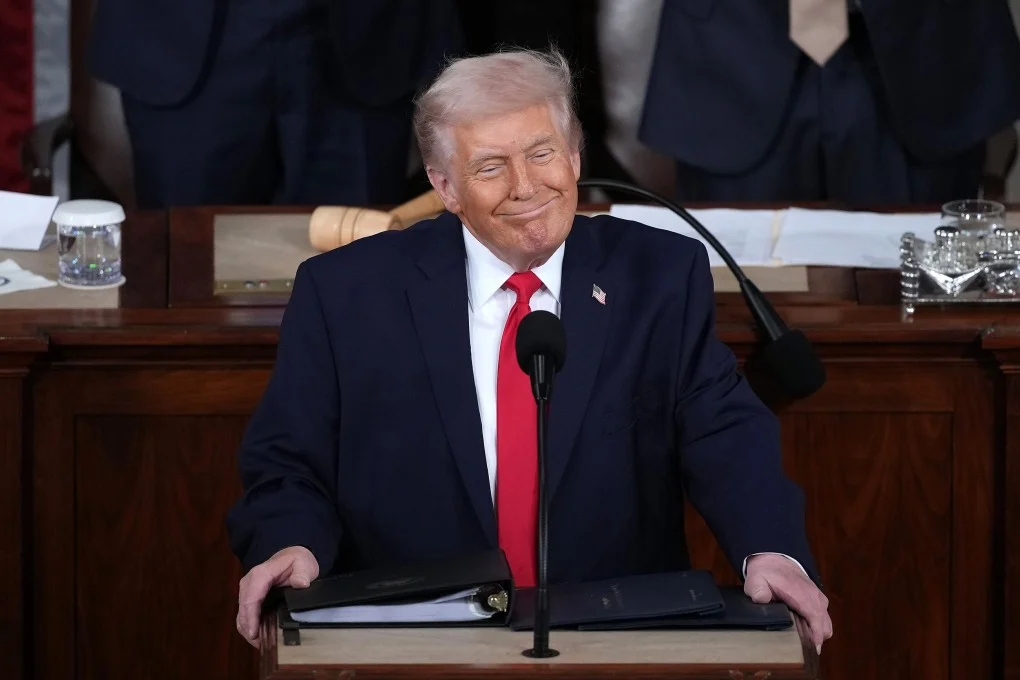
The foreign policy of President Donald Trump's administration is shifting towards reshaping American alliances and its impact on global leadership, which could accelerate the transition to a multipolar world where China plays a larger role. This was stated by Wu Shinn-Po, Dean of the International Studies Institute at Fudan University in Shanghai, during a seminar hosted by the university.
Wu reported that the Trump administration is working on redefining U.S. foreign policy, noting that these changes could mark a turning point in international relations. He pointed out that this policy might lead to reduced reliance on traditional allies, opening the door for other countries like China to enhance their influence.
Event Details
During the seminar, Wu discussed how Trump's policy is affecting international relations, indicating that the U.S. may distance itself from some of its traditional commitments. These changes could lead to a reassessment of existing alliances, raising questions about the future of American relations with its allies in Europe and Asia.
He also noted that Trump may adopt a more unilateral approach to foreign policy, which could negatively reflect on global stability. Such policies may raise concerns among countries that rely on American support in security and economic matters.
Background & Context
Historically, the United States has been considered the sole superpower following the end of the Cold War, dominating the international system and shaping global politics. However, this situation has begun to change with the rise of new powers like China, which seeks to enhance its influence on the international stage.
The U.S.-China relationship is among the most complex in the world, where economic and security interests intertwine. The trade and economic policies pursued by the Trump administration have contributed to escalating tensions between the two countries, complicating the international landscape further.
Impact & Consequences
If the Trump administration continues to adopt this approach, it could lead to the dismantling of traditional alliances, creating a vacuum that other powers like China could exploit. This shift may alter the balance of power in the world and affect how countries address global issues such as climate change and cybersecurity.
Moreover, this transformation could increase tensions in regions like the Middle East, where many countries depend on American support for security and development. Consequently, any change in U.S. policy may directly impact regional stability.
Regional Significance
For Arab countries, these changes in U.S. policy may necessitate a reevaluation of their relationships with Washington. Many Arab nations rely on American support in security and economic fields, and any shift in this policy could affect their stability.
Furthermore, these changes may open the door for other countries like China to enhance their influence in the region, potentially altering the dynamics of international relations in the Middle East.
In conclusion, it appears that Trump's foreign policy may have far-reaching effects on international relations, requiring Arab countries to rethink their strategies in response to these changes.