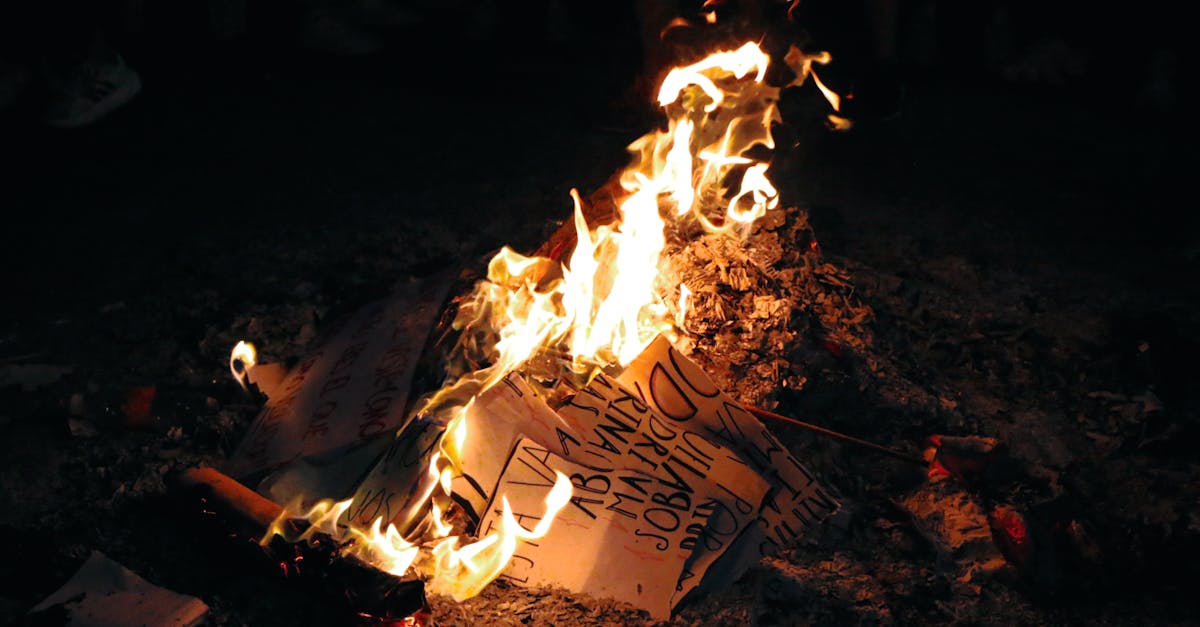
Residents of the Tamalanrea neighborhood in Makassar, Indonesia, are calling on the central government to reassess its decision to establish a waste-to-energy plant (PLTSa) in their area, emphasizing that the proposed site is located in a densely populated residential area, which could lead to air pollution.
This demand arose during protests organized by local residents, where a representative, H. Akbar, stated that citizens do not oppose the project itself but reject the proposed location due to concerns about its negative impacts on their health and environment.
Details of the Event
On Sunday, citizens gathered in front of the Iterno building in the Bira neighborhood, asserting that the government must consider local conditions before making any decisions. Akbar explained that the project, managed by PT Sarana Utama Sinergi (PT SUS), could lead to harmful emissions and unpleasant odors that negatively affect the quality of life in the area.
He also pointed out that the recent government decision, announced by Finance Minister Bappaya Yudi Sadio, calls for the continuation of the project in accordance with Presidential Decree No. 109 of 2025, which aims to address urban waste by converting it into renewable energy.
Background & Context
Indonesia is one of the countries facing significant challenges in waste management, with waste quantities continuously increasing due to population growth and urban expansion. Waste-to-energy plants could represent a potential solution to the waste problem, but they require careful study of environmental and social impacts.
Historically, the country has witnessed many similar projects that sparked widespread controversy among local residents, as concerns about environmental pollution and public health have always been at the forefront of the issues raised.
Impact & Consequences
If the government proceeds with the project without addressing local concerns, it could exacerbate health and environmental conditions in the area. This may lead to increased tension between citizens and the government, potentially resulting in larger protests in the future.
Moreover, this project could affect the government's reputation in handling environmental and human rights issues, as transparency and communication with the local community are vital for building trust.
Regional Significance
The issue of waste management and energy generation from waste is also significant for many Arab countries. With the increasing population and urban growth, there is a growing need for innovative and sustainable solutions to deal with waste.
Arab countries could benefit from Indonesia's experiences in this field, either by learning from mistakes or by adopting best practices in waste management and conversion to energy.
In conclusion, a delicate balance is required between developing economic projects and protecting citizens' rights and the environment. Governments must consider citizens' opinions and provide sustainable solutions that meet everyone's needs.