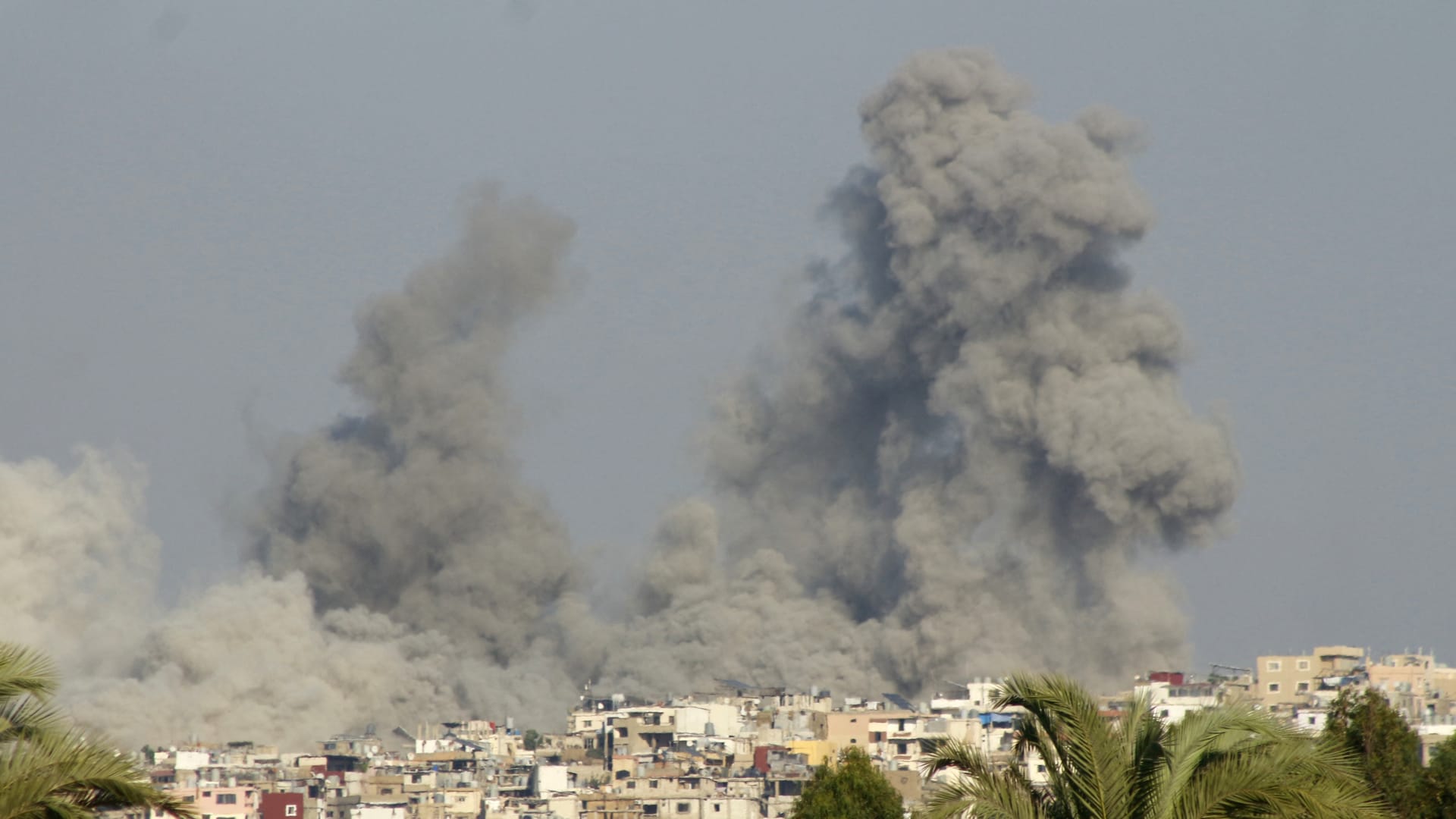
As the war between the United States and Israel against Iran escalates, residents of the Gaza Strip are experiencing neglect and oblivion, finding themselves trapped between ongoing conflicts and the loss of essential services. A report published by The New York Times revealed that the people of Gaza are increasingly worried about food supply disruptions and rising prices of basic goods, exacerbating their daily struggles.
Under these circumstances, many residents of Gaza rushed to purchase food supplies, fearing shortages or the reclosure of the crossings leading into the territory. This anxiety has led to a sharp increase in the prices of essential goods, with some traders exploiting the situation to illegally raise prices, further burdening Gaza's families.
Details of the Situation
The Gaza Strip, which is still trying to recover from the two-year Israeli assault following the Al-Aqsa Flood operation, faces new challenges due to the war on Iran. Israeli forces have temporarily closed key crossings, halting the movement of people and goods, including critical medical cases needing treatment outside the territory. These measures have heightened frustration among the population, who feel trapped in an endless cycle of conflict.
Fouad Shaheen, a café owner in Deir al-Balah, expressed the sentiments of many by stating, "Gaza has been forgotten." Meanwhile, sports coach Adham al-Mabhouh added, "The eyes of the world are turned towards Iran and the Gulf, and we are the ones who lose here." These testimonies reflect the reality of daily life in Gaza, where some rely on charity to secure the most basic necessities of life.
Background & Context
Historically, the Gaza Strip has witnessed numerous conflicts and wars, leading to a deterioration of the humanitarian and economic situation. Since the onset of the Israeli blockade in 2007, Gaza has suffered from severe shortages of basic resources, making the population increasingly dependent on humanitarian aid. With the escalation of regional conflicts, Gaza seems to have fallen into oblivion, as attention has shifted to other conflicts, such as the war on Iran.
The New York Times report highlights the deteriorating humanitarian situation in Gaza, where more than 670 people have been killed since the ceasefire began five months ago, reflecting the fragility of the situation in the besieged territory. At the same time, any progress in reconstruction or stabilization of the sector remains tied to complex political issues, including the disarmament of the Islamic Resistance Movement (Hamas) and ensuring the withdrawal of the Israeli army from parts of the territory.
Impact & Consequences
The repercussions of the war on Iran for Gaza could be severe, as residents feel powerless against the conflicting demands of the Israeli government. This situation creates a vicious cycle of suffering, where food security and daily life remain in constant jeopardy. Experts at the United Nations have emphasized the need to open more crossings to support humanitarian responses, with an increasing demand for food, fuel, and essential services.
As the near-daily airstrikes by the Israeli army continue, residents of Gaza remain in a state of fear and anticipation, as their daily lives turn into an ongoing struggle for survival amid accumulating crises. This reality reflects the significant challenges faced by communities in conflict zones, where humanitarian crises intertwine with political conflicts.
Regional Significance
The situation in Gaza reflects a larger crisis facing the Arab region, where tensions and conflicts are rising in many countries. The international community's neglect of the Gaza issue amid the ongoing events in Iran could exacerbate the humanitarian situation, necessitating urgent action from Arab states and the international community to find effective solutions. Continued disregard for the suffering of Gaza's residents may contribute to worsening humanitarian crises in the region and negatively impact regional stability.
In conclusion, residents of Gaza await support from the international community, hoping that attention will turn towards their suffering and that crossings will be opened to meet their basic needs. The humanitarian situation in Gaza requires urgent action, as the suffering of these people cannot be ignored amid escalating conflicts.