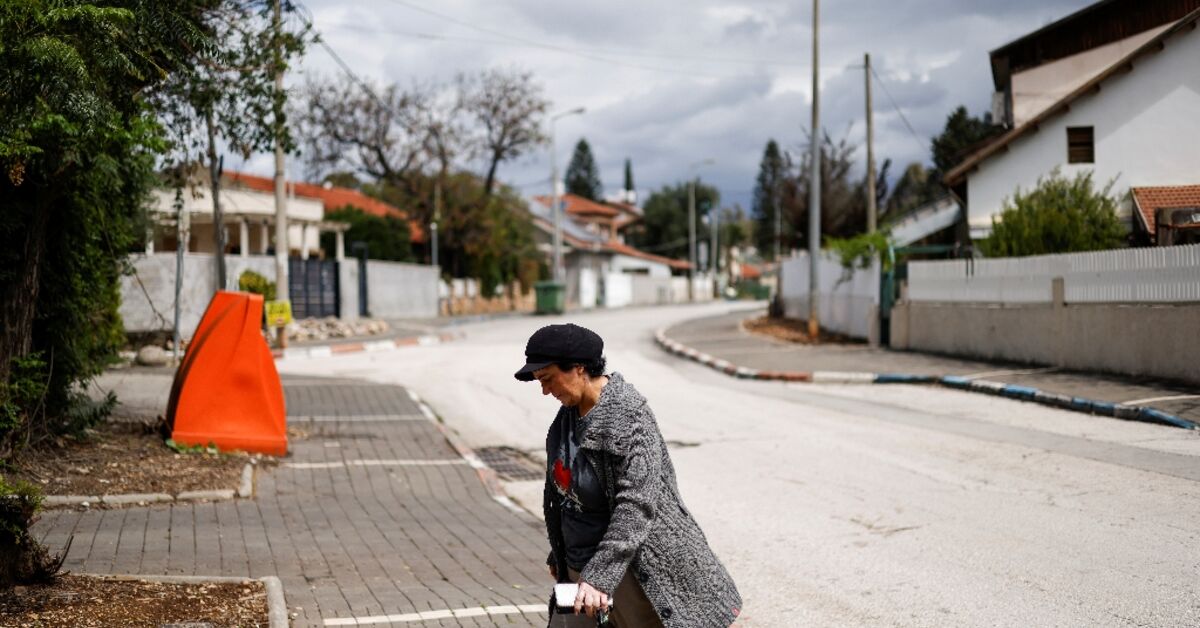
Kiryat Shmona, located in northern Israel, is suffering under the atmosphere of war that dominates daily life, with residents living under the constant threat of sirens warning of rocket attacks. As conflicts in the region escalate, many young people have left the city, while those who remain feel neglected by the Israeli government, exacerbating their struggles under difficult conditions.
The city is one of the closest Israeli towns to the Lebanese border, situated just three kilometers away. This small town has experienced its second war in less than three years, suffering from the ongoing impacts of persistent conflicts, including the twelve-day war with Iran last June, as well as the ongoing dispute with Hamas in Gaza.
Details of the Situation
Reports indicate that residents of Kiryat Shmona are living in a state of constant anxiety, with sirens sounding increasingly often, forcing them to adapt to the reality of war. Many families have lost hope for improving their circumstances, feeling that the government has not provided adequate support to face the challenges they encounter.
Concerns are growing that this situation may lead to a mass exodus of young people seeking better opportunities elsewhere, which could negatively impact the city's future. At the same time, polls show that a significant portion of the population feels that the government does not consider their needs, further increasing feelings of frustration and resentment.
Background & Context
Historically, Kiryat Shmona has witnessed numerous armed conflicts, having been targeted by rocket attacks during previous wars. In recent years, tensions in the region have escalated, exacerbating security and economic conditions. The Israeli-Lebanese conflict is part of a broader struggle involving multiple parties, including Iran and Hamas, complicating the situation in the area.
Kiryat Shmona symbolizes the suffering experienced by residents of border areas, as these towns face ongoing pressures due to conflicts. With rising tensions, it is expected that these conditions will continue to affect the lives of residents, necessitating a swift response from the government.
Impact & Consequences
The situation in Kiryat Shmona illustrates how wars can affect local communities, leading to displacement and poverty. The government's neglect of residents' demands is concerning, as it could exacerbate social and economic conditions. Under these circumstances, there are fears that feelings of frustration among residents will increase, potentially leading to protests or social movements.
This case exemplifies the challenges faced by communities in conflict zones, where effective solutions require coordination between the government and the local community. It is crucial to prioritize the needs of residents, including ensuring security and providing economic support.
Regional Significance
The events in Kiryat Shmona are part of the larger picture of conflicts in the Middle East, where disputes affect the stability of the entire region. The situation in Kiryat Shmona demonstrates how wars can exacerbate humanitarian conditions, necessitating an international response to support affected populations.
Ultimately, the case of Kiryat Shmona highlights the need for lasting solutions to conflicts in the region, requiring joint efforts from all parties to achieve peace and stability. Ignoring the needs of residents will only worsen the situation, calling for urgent action from both the government and the international community.