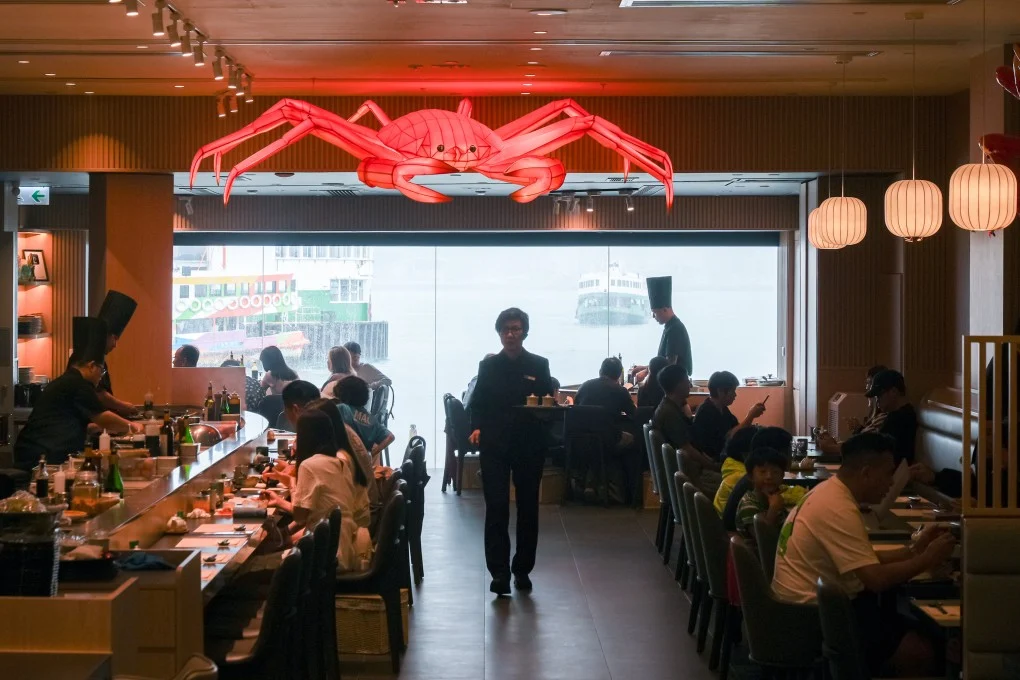
The restaurant sector in Hong Kong recorded a significant drop in revenue during the long Easter holiday, with an industry representative reporting a decline estimated at 6 to 7 percent. Despite a 15 percent increase in the number of tourists arriving from mainland China during the first three days of the holiday, this was not enough to compensate for the losses resulting from 1.7 million outbound trips made by local residents.
Industry leaders noted that this trend has become a new pattern, as many locals prefer to travel abroad during long holidays, negatively impacting local businesses.
Details of the Event
During the Easter holiday, Hong Kong witnessed a notable influx of Chinese tourists, which was expected to boost the restaurant sector's revenue. However, the large number of locals choosing to travel to overseas destinations led to a significant decline in business activity. Reports indicate that this trend may continue in the future, raising concerns among business owners.
This trend is part of a broader pattern where locals prefer traveling to foreign destinations, affecting local consumption. It reflects changes in consumer behavior following the COVID-19 pandemic, as traveling has become more accessible.
Background & Context
Historically, Hong Kong has been one of the most attractive tourist destinations in Asia, drawing numerous visitors from around the world. However, the city has been significantly impacted by the COVID-19 pandemic, leading to changes in travel and tourism patterns. After restrictions were eased, tourists began to return, but it seems that locals have become accustomed to traveling abroad.
Tourism is a crucial part of Hong Kong's economy, significantly contributing to local revenues. However, changes in local behavior may lead to new challenges in the future.
Impact & Consequences
This trend significantly affects the local economy, as restaurant and café owners suffer from declining revenues. This may lead to job losses and increased pressure on small businesses. Furthermore, the continuation of this trend could raise concerns for the government regarding the sustainability of the tourism sector.
It is essential for the government to adopt new strategies to attract local tourists and enhance local consumption. These strategies may include offering special promotions or improving services provided to attract customers.
Regional Significance
Hong Kong is an important commercial hub in Asia, and any changes in its economy could impact regional markets. Arab investors may benefit from these changes by seeking new opportunities in the Chinese market.
Additionally, this phenomenon could serve as a lesson for Arab countries on how to manage local tourism and boost internal consumption, especially amid global economic challenges.
In conclusion, the decline in restaurant revenues in Hong Kong during the Easter holiday highlights changes in consumer behavior. It is crucial for the government to implement effective strategies to promote local tourism and stimulate the economy.