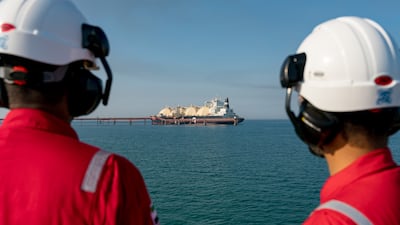
ADNOC Gas, a leader in the energy sector in the UAE, has announced its plans to restore 80% of the Habshan Field's capacity by the end of the year. This decision follows significant damage sustained by the field due to the ongoing conflict in Iran, which has severely impacted production operations.
ADNOC, one of the largest oil and gas companies globally, aims to enhance its production capacity amid geopolitical challenges. The company has confirmed that restoring the production capacity of the Habshan Field will help secure the necessary gas supplies for both local and international markets.
Details of the Restoration Plans
The Habshan Field, one of the largest gas fields in the UAE, has suffered extensive damage due to the Iranian conflict, leading to a substantial reduction in its output. ADNOC has stated that technical teams are working diligently to restore production capacity, with comprehensive plans in place to repair the damages and return operations to normal.
This initiative is part of ADNOC's strategy to strengthen its position in the energy market, as the company seeks to increase its natural gas production to meet rising demand. Additionally, restoring the Habshan Field will assist the UAE in achieving its goals in sustainable energy.
Background & Context
Historically, the Habshan Field has been a primary source of natural gas in the UAE and has played a vital role in meeting the needs of both local and international markets. With rising tensions in the region, it has become essential for companies to take proactive steps to ensure the continuity of production.
The damages come at a sensitive time, as the UAE aims to bolster its investments in the renewable energy sector, making the restoration of the Habshan Field crucial for maintaining energy balance in the country.
Impact & Consequences
The impact of the damages to the Habshan Field extends to several aspects, including global gas prices, where any fluctuations in production could lead to price increases in international markets. Furthermore, restoring production will enhance the UAE's competitiveness in the energy market.
This move is also economically significant, as it will contribute to the creation of new job opportunities and promote economic growth in the region. Moreover, restoring production capacity will bolster the UAE's ability to achieve its sustainable development goals.
Regional Significance
The restoration of the Habshan Field is a vital step in ensuring the stability of gas supplies in the UAE and enhancing its competitive edge in the global market. As the region navigates complex geopolitical dynamics, maintaining robust energy production capabilities is essential for economic resilience.
In conclusion, the successful restoration of the Habshan Field will not only secure energy supplies but also support the UAE's broader economic and environmental objectives, reinforcing its commitment to sustainable energy practices.