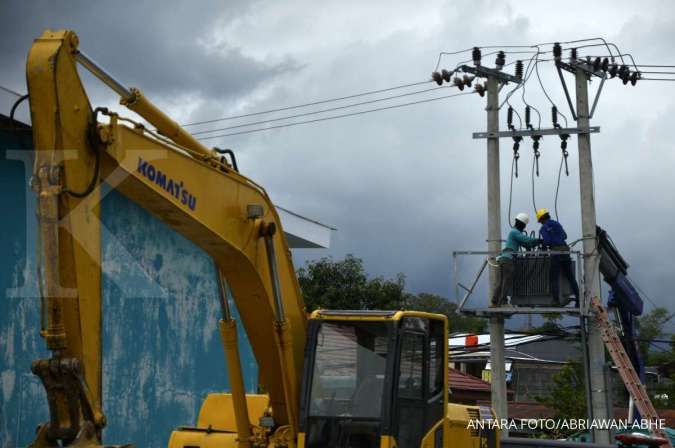
The Indonesian city of Manado has fully restored its electricity systems following a powerful earthquake measuring 7.6 on the Richter scale. PLN (the National Electricity Company) confirmed that all electrical infrastructure affected by the earthquake is back online, thanks to the efforts of field teams.
In statements, the General Manager of PLN in North Sulawesi, Othman Pangun, reported that the electricity restoration process began immediately after the earthquake struck on Thursday, April 2, at 06:48 AM local time. By 1:51 PM, 100% of the power supply had been restored.
Details of the Event
Othman explained that the efforts to restore electricity included the reactivation of 14 power lines and 887 distribution stations in the affected areas. He expressed appreciation for the tireless work of technical teams who ensured the safety of the infrastructure before restoring power.
Othman emphasized the importance of electricity as a basic necessity, especially in emergencies like earthquakes, noting that technical teams were on alert from the moment residents felt the tremors.
Background & Context
Indonesia is known to be prone to frequent earthquakes due to its geographical location on the Pacific Ring of Fire. The country has experienced several powerful earthquakes in recent years, prompting the development of effective response strategies by the government and relevant companies.
Historically, earthquakes in Indonesia have caused significant damage to infrastructure, necessitating rapid responses from local authorities. These experiences have contributed to improving emergency plans and increasing public awareness on how to act in such situations.
Impact & Consequences
The restoration of electricity in Manado is a vital step in ensuring the stability of daily life for residents, as many economic and social activities depend on the availability of electrical power. Additionally, PLN's swift response reflects its commitment to providing reliable services even in times of crisis.
These events highlight the importance of pre-planning and preparedness for natural disasters, as rapid responses can reduce damage and enhance recovery opportunities.
Regional Significance
Although Indonesia is geographically distant from the Arab world, the lessons learned from these incidents can be beneficial for Arab countries facing similar challenges, such as earthquakes or other natural disasters. Arab nations can benefit from improving emergency strategies and developing more resilient infrastructure to tackle future challenges.
In conclusion, this incident underscores the importance of preparedness and readiness to face natural disasters and emphasizes the need for enhanced cooperation among countries to share experiences and knowledge in this field.