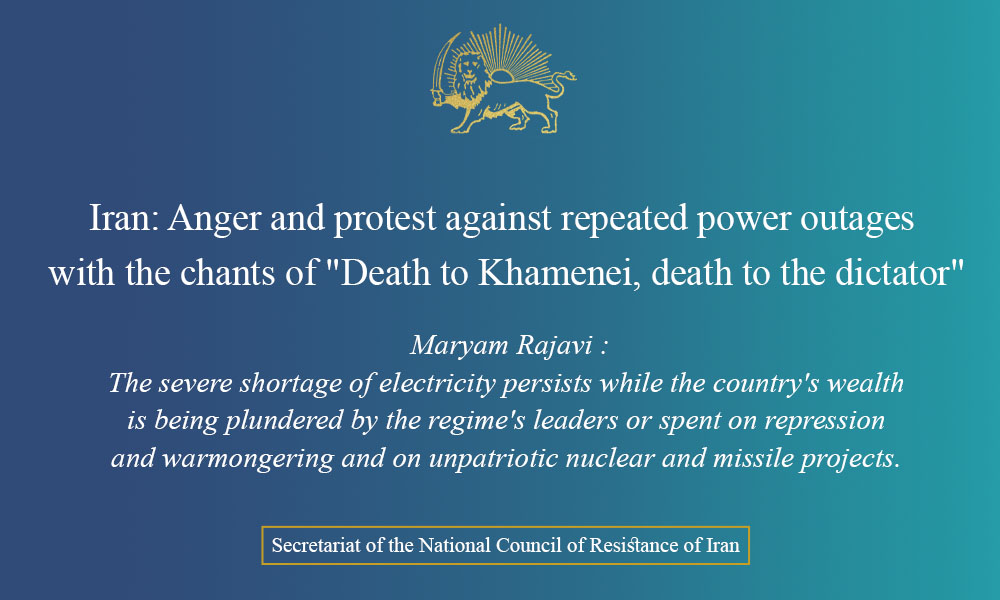
Iran's Deputy Minister of Energy reported that electricity will be restored to parts of the capital, Tehran, within a few hours following a sudden outage that impacted numerous regions. This move comes at a sensitive time when the country is facing increasing issues in energy supply, raising concerns among citizens.
Iran, which heavily relies on electrical energy, is experiencing multiple challenges in this sector as pressures mount due to rising temperatures and increased electricity demand. This has led to repeated power outages, negatively affecting the daily lives of citizens.
Details of the Incident
In official statements, the Deputy Minister of Energy confirmed that technical teams are working diligently to restore electricity to the affected areas. He indicated that the outage was due to an unexpected surge in demand, along with some technical failures in the electrical grid.
He also clarified that the ministry is taking urgent steps to ensure that these outages do not recur, including improving infrastructure and expanding the capacity of the electrical grid. An additional budget has been allocated for this purpose, reflecting the government's commitment to enhancing energy services.
Background & Context
Historically, Iran has faced numerous crises in the energy sector, especially during the hot summer months when electricity demand significantly increases. Economic sanctions imposed on the country have exacerbated these crises, making it difficult for the government to improve energy infrastructure.
In recent years, the Iranian government has attempted to implement new energy generation projects, including solar and wind energy, but these efforts have not been sufficient to meet the growing demand. Additionally, administrative corruption and mismanagement at times have contributed to worsening the situation.
Impact & Consequences
Power outages affect all aspects of daily life in Iran, from businesses to education and healthcare. Under the current circumstances, these outages may lead to an escalation of public protests, as citizens express their dissatisfaction with the current situation.
Moreover, the continuation of these crises could impact the Iranian economy as a whole, with many sectors relying on stable energy supplies. Consequently, the government faces a significant challenge in managing these crises and improving the situation.
Regional Significance
The energy crisis in Iran serves as an example of the challenges faced by many countries in the region, where other nations are experiencing similar issues with energy supplies. These crises could exacerbate economic and social conditions, negatively affecting regional stability.
Furthermore, any escalation in public protests in Iran could impact relations with neighboring countries and lead to political repercussions in the region. Therefore, it is crucial to closely monitor the developments of the situation.
Restoring electricity to Tehran represents a positive step, but the challenges facing the energy sector in Iran remain. The government must take effective measures to ensure stable energy supplies and improve the living conditions of citizens.