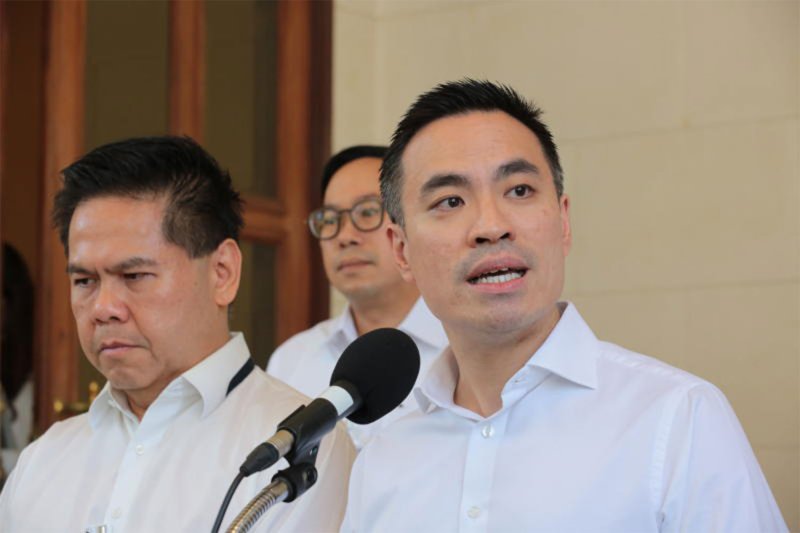
In a strategic move to enhance the use of renewable energy, the National Energy Council of Thailand has announced a restructuring of the electricity tariff, enabling millions of Thai households to lower their electricity bills. This announcement was made during a meeting chaired by Prime Minister Anutin Charnvirakul, where the importance of promoting clean energy was emphasized.
This initiative comes amid rising energy demand, as the adoption rate of rooftop solar panels in Thailand has been low due to previous restrictions on selling excess energy. Sales were limited to 90 megawatts nationwide, which posed a barrier for households wishing to install solar panels.
Details of the New Tariff Structure
Under the new framework, the energy purchase quota will be expanded by 500 megawatts in each round, meaning that once each quota is completed, an additional 500 megawatts will be continuously added. This change aims to encourage households to use solar energy for self-consumption and to sell excess energy.
Households will be able to sell excess electricity at a price of 2.20 baht per unit, which is close to the rates paid by electricity companies for commercial solar farms. The program is expected to start accepting applications after June, with power purchase agreements set for a duration of ten years.
Background & Context
Historically, Thailand has faced significant energy challenges, heavily relying on fossil fuels. With increasing awareness of the importance of renewable energy, the government has begun taking serious steps to promote solar energy, especially amid growing concerns about climate change and its environmental impact.
Impact & Consequences
These changes are expected to lead to a significant improvement in the financial situation of households, allowing them to noticeably reduce their electricity bills. Additionally, these measures will enhance the use of clean energy, contributing to Thailand's sustainability goals. Furthermore, the Ministries of Energy and Finance are working on organizing financing plans that will enable households to pay for solar panels in installments, making it easier for them to invest in this technology.
Regional Significance
This restructuring of the electricity tariff is crucial as it reflects Thailand's commitment to enhancing the use of renewable energy and reducing dependence on fossil fuels. It sets a precedent for other countries in the region to follow suit in adopting similar measures to promote sustainable energy solutions.
In conclusion, the new electricity tariff structure not only aims to alleviate the financial burden on households but also plays a vital role in advancing Thailand's energy transition towards a more sustainable future.