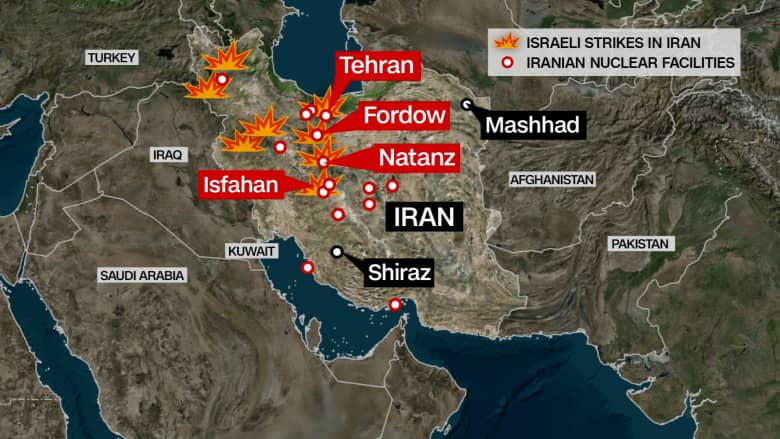
Former U.S. President Donald Trump has asserted that there is a likelihood of division within the Iranian system, prompting questions about the stability of this regime under current circumstances. These statements come at a time when the Iranian system is striving to restructure itself to confront escalating challenges, including economic and political pressures.
These developments coincide with rising tensions in the region, where the Iranian regime faces both internal and external criticisms. In this context, it appears that Tehran is attempting to bolster its authority through a structural reorganization aimed at enhancing internal stability.
Details of the Event
Reports indicate that the Iranian regime has begun implementing structural changes designed to strengthen its ability to face crises. These changes include the redistribution of leadership positions and adjustments to domestic and foreign policies. The regime is also seeking to improve communication with regional and international allies.
Simultaneously, Iran continues to confront significant challenges, including economic sanctions that have severely impacted the Iranian economy. These sanctions have led to a deterioration in the living conditions of citizens, increasing pressure on the government.
Background & Context
Historically, the Iranian regime has experienced numerous internal and external crises, but the current situation is among the most complex. Following the U.S. withdrawal from the nuclear agreement in 2018, pressures on Iran intensified, leading to heightened tensions in the region.
Additionally, the popular protests witnessed in Iran in recent years reflect citizens' dissatisfaction with government policies. This discontent could contribute to deepening divisions within the regime, as noted by Trump in his remarks.
Impact & Consequences
If the Iranian regime continues to face internal divisions, this may lead to radical changes in its policies. Such division could weaken the ability to make decisive decisions, affecting the overall stability of the region.
Furthermore, regional and international powers may exploit these divisions to advance their own interests, complicating the situation in the Middle East. Should a real division occur, we may witness shifts in political and military alliances in the region.
Regional Significance
Developments in Iran have significant implications for neighboring Arab countries. Any division or weakening of the Iranian regime could lead to a reassessment of Arab countries' strategies in dealing with Tehran. Some nations may view this as an opportunity to enhance their influence in the region.
Conversely, continued pressures on Iran may escalate military tensions, threatening regional security. Therefore, closely monitoring events in Iran is essential for understanding future dynamics in the region.
In conclusion, under current circumstances, the Iranian regime appears to be facing unprecedented challenges. The restructuring it seeks may be a step toward enhancing stability, but internal divisions could complicate matters further. Eyes remain fixed on Tehran and the direction events will take in the near future.