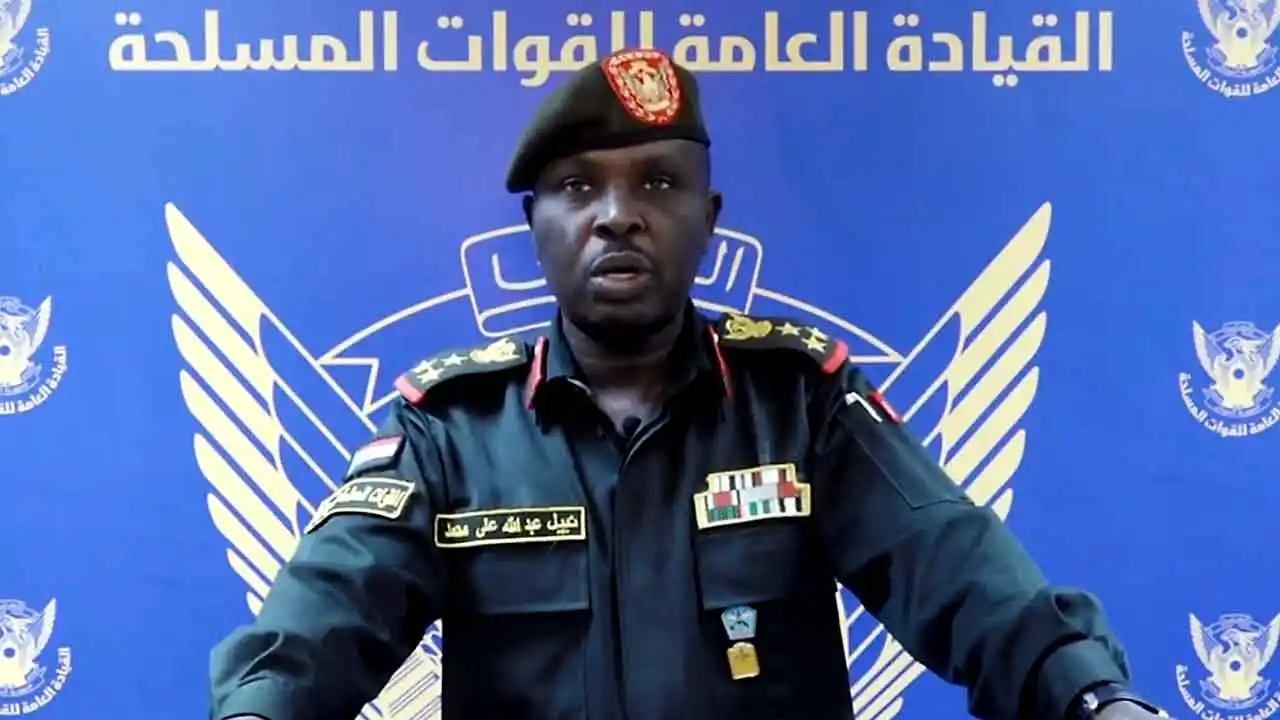
On April 2, Sudanese Army Commander Abdel Fattah al-Burhan announced radical changes in the military leadership structure, appointing General Yasser Al-Atta as Chief of Staff. These changes come at a sensitive time for the country and are seen as a redistribution of power within the army, raising questions about the future of Sudanese politics.
This move coincides with rising political tensions in Sudan, as al-Burhan seeks to bolster his military authority amid current circumstances. The new appointments reflect the military leadership's desire to consolidate control over political decision-making, which could lead to significant changes in the Sudanese political landscape.
Details of the Restructuring
The restructuring involved the appointment of several officers to leadership positions, reflecting al-Burhan's strategy to enhance the army's loyalty to him. General Yasser Al-Atta, who has been appointed as Chief of Staff, is a prominent figure in the Sudanese army and has played an important role in recent political events. These changes come at a time when the military government is facing increasing pressure from various political forces.
The decisions made by al-Burhan indicate that he aims to rearrange the power dynamics within the military institution, which could significantly impact Sudan's future. Recent moves may also suggest that al-Burhan intends to confront any challenges that may arise from political forces or protest movements.
Background & Context
In recent years, Sudan has witnessed significant political changes, starting with the ousting of former President Omar al-Bashir in 2019, leading to the formation of a transitional government. However, with increasing economic and social pressures, divisions began to emerge within the transitional government, exacerbating the situation. In this context, the restructuring of the army comes as a step that could reshape the political landscape in the country.
The Sudanese army has always played a pivotal role in politics, having experienced several military coups over the decades. Therefore, any changes in its leadership could carry important implications for the future of governance in Sudan and affect the country's stability.
Impact & Consequences
Changes in military leadership could lead to shifts in Sudan's domestic and foreign policies. Strengthening military control may mean a reduction in the role of civilian political forces, potentially leading to further tensions. Additionally, this move could impact relations with the international community, which is closely monitoring the situation in Sudan.
These changes are likely to escalate popular protests, as citizens seek to achieve their demands for democracy and justice. There are also concerns that increased military control might lead to the suppression of public freedoms, which could intensify social crises in the country.
Regional Significance
The situation in Sudan has ramifications for the entire Arab region, as the stability of Sudan is vital for neighboring countries. Any escalation in the situation could lead to security and economic repercussions in the region. Furthermore, the strengthening of military influence could encourage some regimes in the area to take similar steps, potentially affecting the trajectory of democratic transformations in Arab countries.
In conclusion, the situation in Sudan remains under scrutiny, as the restructuring of the army could mark the beginning of a new chapter in the country's history. It is crucial to closely monitor developments, as any changes could significantly impact the future of Sudan and the region.