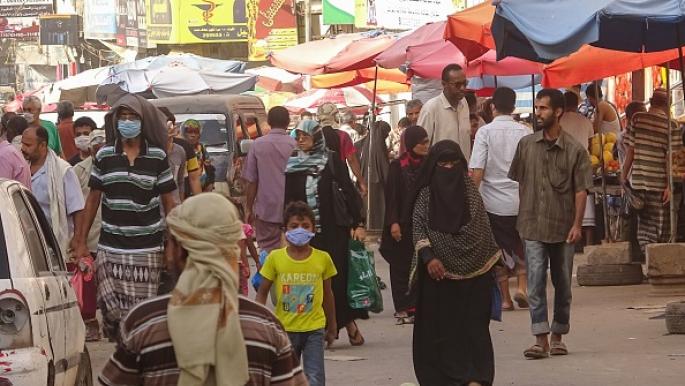
The International Monetary Fund (IMF) will resume Article IV consultations with Yemen tomorrow, after a four-month hiatus due to the emergency conditions the country has faced. These consultations come at a critical time, as Yemen is grappling with significant economic challenges due to ongoing conflict and humanitarian crises.
Article IV consultations are one of the key mechanisms used by the IMF to assess the economic conditions of member countries. During these consultations, financial and monetary policies are discussed, and necessary recommendations are provided. In Yemen's case, the consultations are expected to focus on how to enhance economic stability and improve the living conditions of citizens.
Details of the Event
These consultations come after a period of political and economic tensions in Yemen, where the country has witnessed a surge in humanitarian crises, including food and medicine shortages, exacerbating the suffering of the population. The IMF has previously indicated in its reports that the Yemeni economy is experiencing a severe contraction, necessitating urgent intervention from the international community.
During the consultations, it is anticipated that current financial and monetary policies will be reviewed, along with discussions on ways to enhance cooperation with donors and the international community to support the Yemeni economy. The discussions will also address how to improve the management of financial resources and direct them towards vital sectors such as health and education.
Background & Context
Yemen is suffering from the world's worst humanitarian crisis, with reports indicating that over 24 million people are in need of humanitarian assistance. The conflict, ongoing since 2015, has led to a deterioration of the economic situation, adversely affecting all aspects of daily life for citizens.
In this context, the resumption of IMF consultations is seen as an important step towards rebuilding trust between the Yemeni government and the international community. These consultations may also pave the way for increased economic and financial assistance to Yemen, contributing to the improvement of living conditions for the population.
Impact & Consequences
The resumption of IMF consultations with Yemen is an indicator of the international community's interest in the situation in the country. If effective agreements are reached, this could lead to an improvement in the economic situation and an increase in international support for Yemen.
These consultations are expected to contribute to enhancing financial stability, which may help the Yemeni government implement necessary reforms. Additionally, international support could improve essential services such as education and health, positively impacting citizens' lives.
Regional Significance
The situation in Yemen is part of the larger picture of crises affecting the Arab region. Stability in Yemen has a direct impact on the security and stability of neighboring countries, as any escalation of crises could have negative repercussions on regional security.
Moreover, the success of the IMF consultations could encourage other countries in the region to take similar steps towards economic reform, contributing to the overall economic stability of the region.
In conclusion, the resumption of IMF consultations with Yemen represents an important opportunity to assess the economic situation and support reform efforts. The success of these consultations depends on effective cooperation between the Yemeni government and the international community, potentially opening new avenues for improving the living conditions of citizens.