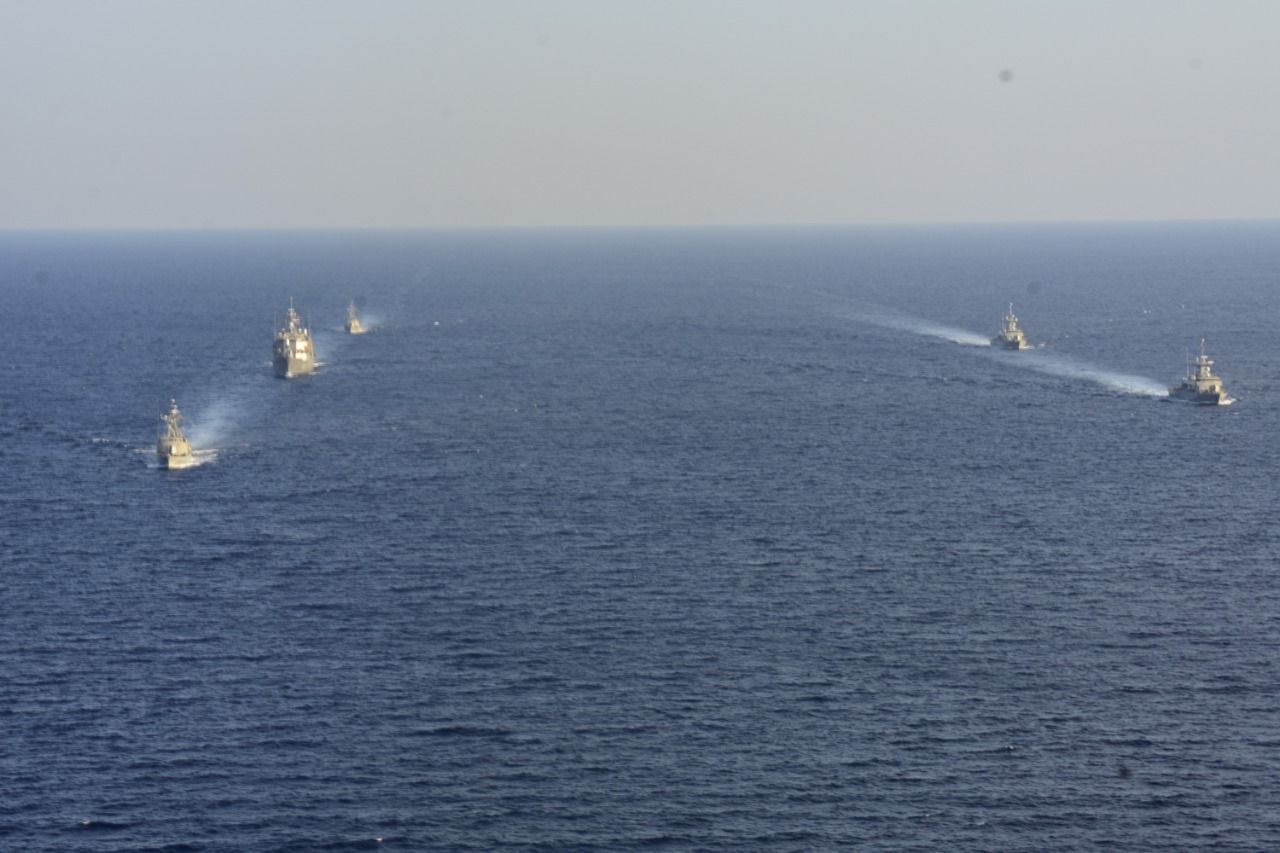
The Strait of Hormuz, one of the most important maritime passages in the world, has resumed its maritime traffic after the crossing of two ships, signaling a relative improvement in the security situation in the area. This step is seen as a positive sign amid the increasing tensions that have recently affected the region.
This development follows a series of incidents that impacted navigation in the strait, which is a crucial transit point for oil and natural gas shipments. In recent months, the area has witnessed a rise in military activities and political tensions, adversely affecting ship movements.
Details of the Event
According to reports, the mentioned ships crossed the strait late yesterday, reflecting a relative stability in maritime navigation. The crossing of the ships was secured by naval forces, which are closely monitoring the situation to ensure safe navigation.
This step is significant as the Strait of Hormuz represents a vital corridor for transporting approximately 20% of global oil supplies. Any disruption in this passage can significantly impact oil prices and global markets.
Background & Context
The Strait of Hormuz is a junction between the Arabian Gulf and the Gulf of Oman, and it is considered one of the busiest maritime routes in the world. Historically, the strait has witnessed numerous crises and conflicts, making it a geopolitically sensitive area.
In recent years, tensions between Iran and Western countries have escalated, affecting navigation in the strait. The region has experienced multiple incidents, including attacks on commercial vessels, leading to significant concern among oil-exporting nations.
Impact & Consequences
The resumption of traffic in the Strait of Hormuz may lead to relative stability in oil prices, as any disruption in this corridor can cause prices to rise sharply. Additionally, stable navigation may enhance investor confidence in oil markets.
Furthermore, the improvement in the security situation in the strait could contribute to strengthening trade relations among oil-exporting countries, benefiting the global economy as a whole.
Regional Significance
The Arabian Gulf region is one of the most important economic areas in the world, with many Arab countries relying on oil exports. Any improvement in maritime traffic in the Strait of Hormuz can have a positive impact on Arab economies, especially those heavily dependent on oil revenues.
In conclusion, the resumption of traffic in the Strait of Hormuz represents a positive step toward regional stability. However, the security situation remains under observation, as any new escalation could negatively affect navigation and the global economy.