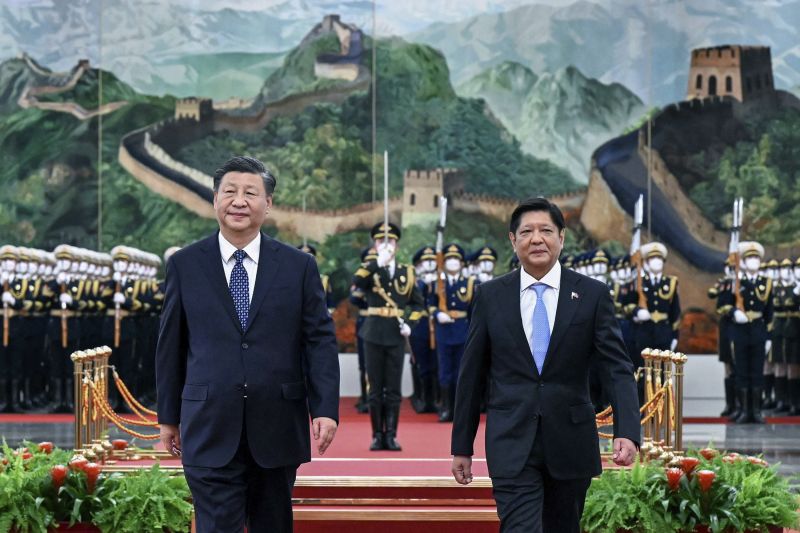
The ongoing war in Iran has brought China and the Philippines back to the negotiating table amidst a growing energy crisis threatening regional stability. This comes despite historical tensions between the two nations in the South China Sea.
Both China and the Philippines are seeking to enhance bilateral cooperation in the energy sector, as an impending energy crisis looms that could impact the economies of both countries. Reports indicate that the two sides have initiated new talks aimed at finding common solutions to address challenges related to energy resources.
Details of the Negotiations
These negotiations coincide with rising tensions in the South China Sea, where China and the Philippines are competing for sovereignty over resource-rich areas. However, the urgent need for energy has pushed both countries to set aside their historical disputes and focus on cooperation in the energy sector.
Reports suggest that China has offered the Philippines investments in renewable energy projects, reflecting Beijing's desire to strengthen its ties with Manila under the current circumstances. The Philippines is also looking to reduce its dependence on foreign energy imports, making cooperation with China a strategic option.
Background & Context
Historically, relations between China and the Philippines have been marked by significant tensions, especially concerning maritime disputes. However, global crises, such as the war in Iran, may contribute to changing regional dynamics and open new avenues for cooperation.
The Philippines is one of the countries that has been significantly affected by rising energy prices, prompting the government to seek new partnerships. At the same time, China aims to enhance its influence in the region by providing economic support and cooperation in energy sectors.
Impact & Consequences
If negotiations between China and the Philippines succeed, they could lead to improved bilateral relations and a reduction of tensions in the South China Sea. Additionally, cooperation in the energy sector could contribute to enhancing economic stability in the Philippines, benefiting the Filipino people.
On the other hand, this cooperation may increase Chinese influence in the region, raising concerns among some neighboring countries. Therefore, observers are closely monitoring the developments of these negotiations and their impact on regional balance.
Regional Significance
The energy crisis resulting from the war in Iran is a concern for many Arab countries, as their economies heavily rely on oil exports. Thus, any shifts in the global energy market could affect the stability of the region.
Moreover, cooperation between China and the Philippines in the energy sector may encourage other Arab nations to seek new partnerships in this field, enhancing opportunities for regional and international collaboration.
In light of increasing global challenges, it seems that cooperation between nations may be the only way to address crises. The resumption of talks between China and the Philippines reflects the importance of energy cooperation as a means to enhance stability and development in the region.