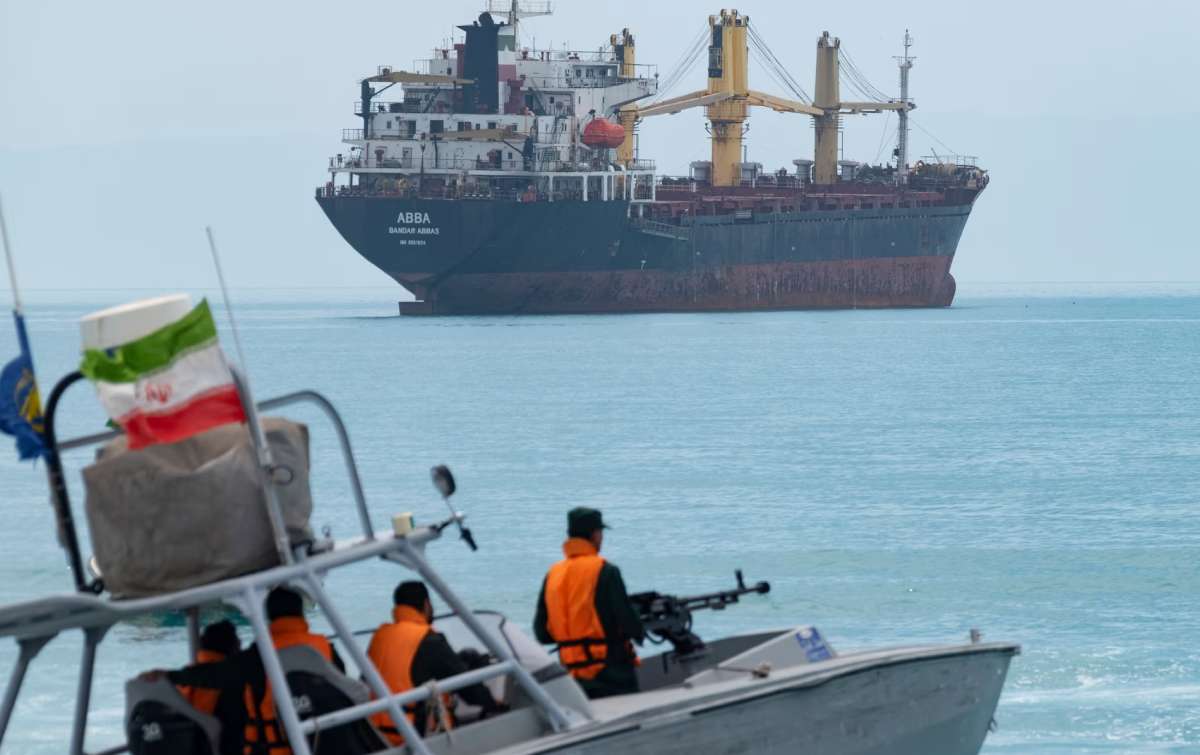
The Strait of Hormuz, regarded as one of the most vital maritime routes in the world, has witnessed the passage of the first oil tankers following a period of political and military tensions that affected navigation in the region. This event marks a sign of the restoration of some stability in maritime traffic, reflecting the importance of regional stability in the context of the global economy.
Recent tensions in the area, which included threats from certain regional parties, raised concerns about their impact on global oil supplies. However, the passage of these tankers indicates a return to some stability in navigation, showcasing the efforts of concerned nations to maintain the security of these vital routes.
Details of the Resumption
The first oil tankers were observed crossing the Strait of Hormuz, reflecting the resumption of maritime trade after a period of tensions. Reports indicated that these tankers are carrying significant quantities of oil, demonstrating a gradual return to commercial activity. This development comes at a time when oil-producing countries are striving to enhance their supplies amid increasing energy demand.
This step is crucial not only for oil-exporting countries but also for consuming nations that rely on these supplies to meet their needs. Several experts have confirmed that the resumption of tanker movement could contribute to stabilizing oil prices in global markets.
Background & Context
The Strait of Hormuz is a vital transit point for approximately 20% of global oil supplies, making it a center for numerous political tensions. Historically, the strait has witnessed several crises, from the Iran-Iraq War in the 1980s to the current tensions between Iran and the United States. This backdrop makes any development in maritime traffic in the strait of significant importance.
In recent years, tensions in the region have escalated due to increased military activities and hostile statements between nations. Nevertheless, the passage of these tankers suggests the potential for diplomatic solutions that may help ease the situation.
Impact & Consequences
The passage of oil tankers through the Strait of Hormuz signifies a restoration of some stability in the region, which could positively affect global oil prices. If maritime traffic continues normally, we may witness stabilization in oil markets, which could impact the global economy as a whole.
Moreover, the resumption of tanker movement may enhance investor confidence in oil markets, potentially leading to increased investments in the energy sector. This development could contribute to strengthening trade relations between oil-producing and consuming countries.
Regional Significance
The resumption of oil tanker movement through the Strait of Hormuz serves as an indicator of regional stability, which directly affects the global economy and oil prices. The ongoing dynamics in this crucial maritime route will be closely monitored by stakeholders worldwide.
In conclusion, the return of oil tankers to the Strait of Hormuz not only reflects a moment of relief for the global oil market but also emphasizes the importance of diplomatic efforts in maintaining peace and stability in this strategically significant region.