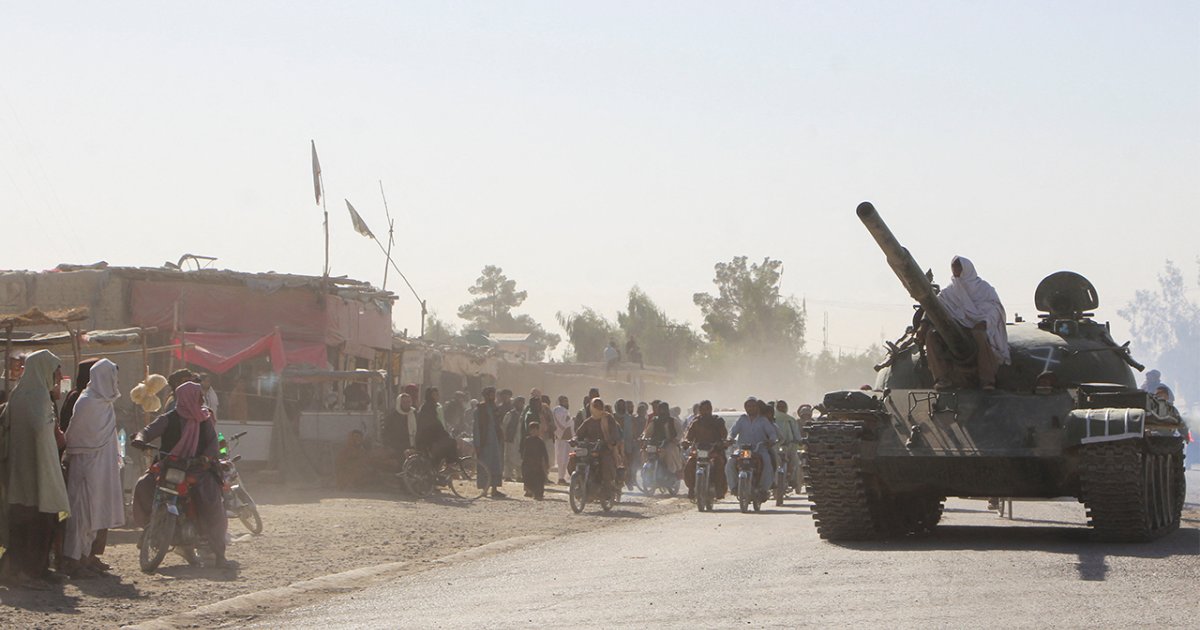
Pakistan and Afghanistan have resumed peace talks today, Wednesday, with Chinese mediation in an effort to achieve a permanent ceasefire after weeks of military escalation between the two sides.
The Associated Press reported that Pakistani officials, who requested anonymity, confirmed that representatives from both sides are holding meetings in the northern Chinese city of Ürümqi, as part of efforts aimed at ending the ongoing fighting.
Details of the Event
A source familiar with the Chinese mediation stated that these talks seek to put an end to the current confrontations and lay the groundwork for broader understandings. According to a senior security official, the meeting was held "at the request of our Chinese friends," with the Pakistani delegation led by an official from the Ministry of Foreign Affairs.
Another Pakistani government official indicated that this meeting could pave the way for a "comprehensive dialogue" between the two sides, moving beyond a ceasefire to address the root causes of the tension. However, China has not issued an official comment on hosting the talks, nor has the Pakistani Foreign Ministry confirmed or denied this information as of now.
Background & Context
Pakistan and Afghanistan have been embroiled in an ongoing conflict for months, ignited by Islamabad's accusations against Kabul of harboring fighters from the Pakistani Taliban, who have claimed deadly attacks within Pakistani territory. Afghan authorities, on the other hand, categorically deny these accusations.
Following a serious escalation in October of last year that resulted in dozens of casualties on both sides, the intensity of confrontations decreased without completely stopping, before flaring up again more violently on February 26 of this year, following Pakistani airstrikes within Afghan territory. The day after, Islamabad declared what it described as an "open war" against its neighbor, pushing the conflict into a more severe and dangerous phase.
Impact & Consequences
On March 18 of last year, Afghanistan announced a temporary ceasefire in its conflict with Pakistan during Eid al-Fitr, following a military escalation that saw Islamabad confirming attacks within Afghan territory as Ramadan came to an end. These developments indicate that the conflict could impact regional stability, especially given the complex relations between the two countries.
These talks are seen as a positive step towards easing tensions, but they require strong political will from both sides to achieve tangible results. Reaching a permanent agreement could contribute to enhancing security in the region and reducing the influence of armed groups.
Regional Significance
The Arab region is indirectly affected by the conflicts between Pakistan and Afghanistan, as stability in South Asia can influence regional security. Additionally, the success of these talks may encourage other countries in the region to seek peaceful solutions to existing conflicts.
Ultimately, hopes for achieving peace remain, but they depend on the ability of the involved parties to overcome historical differences and build mutual trust.