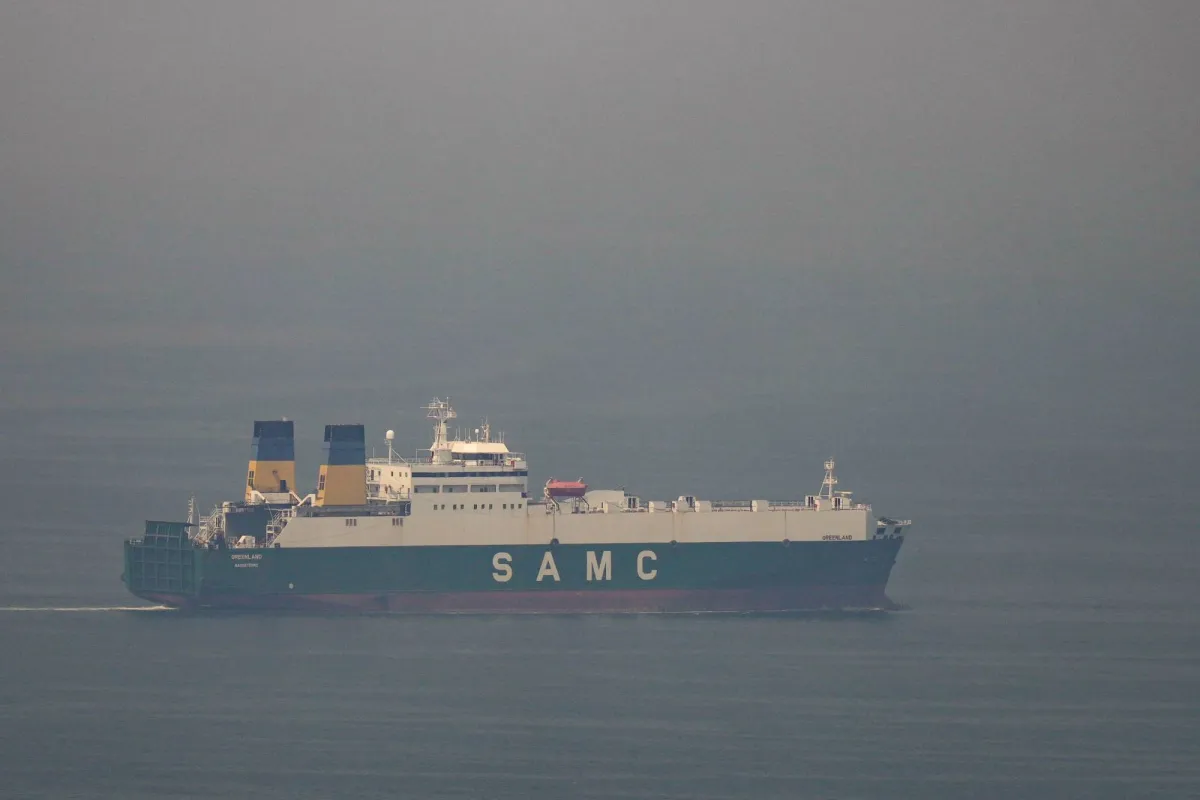
Shipping traffic in the Strait of Hormuz is gradually resuming following a ceasefire agreement between the United States and Iran, allowing commercial vessels to cross after a period of paralysis. Data from the 'Marine Traffic' observatory has shown initial movements of commercial ships, sparking hope for the resumption of maritime activity.
According to real-time tracking data, hundreds of ships remain anchored in the area awaiting the green light to cross, including 426 oil tankers, 34 liquefied gas carriers, and 19 liquefied natural gas carriers. These vessels have been stuck throughout the escalation period, causing severe disruptions in global energy supply chains.
Details of the Event
The radars began to detect the first actual crossings after the truce; the observatory recorded the passage of the Greek bulk carrier 'NJ Earth' through the strait at 08:44 GMT. The Liberian-flagged tanker 'Daytona Beach' also recorded an early crossing at 06:59 GMT, after departing from the Iranian port of Bandar Abbas.
These movements come amid global anticipation regarding the two-week truce's ability to secure a 'safe' and sustainable passage for the stranded massive tankers, particularly the liquefied natural gas carriers heading to European and Asian markets, which represent the backbone of energy at this sensitive stage.
Background & Context
The Strait of Hormuz, through which nearly one-fifth of global oil supplies pass, has experienced near-total disruption since the outbreak of war on February 28. The conflict has led to a sharp rise in oil prices, prompting governments and companies to seek precautionary solutions to face any sudden shocks in the energy sector.
Earlier, the company 'Hapag-Lloyd' expressed cautious optimism about the possibility of resuming shipping through the Strait of Hormuz following the ceasefire agreement. However, the company confirmed that restoring normal shipping activity would take at least 6 to 8 weeks.
Impact & Consequences
The CEO of 'Hapag-Lloyd' estimated the additional costs resulting from the Middle East crisis to range between $50 and $60 million weekly. He warned that the company might have to pass some of these costs onto its customers, compared to previous estimates that ranged from $40 to $50 million.
U.S. and European energy stocks fell as oil prices dropped following the ceasefire announcement. Oil prices fell below $100 per barrel, with Brent crude futures hitting their lowest level in about a month at $91.70.
Regional Significance
The resumption of shipping in the Strait of Hormuz is vital for the Arab region, as many countries rely on energy supplies through this strategic corridor. The resumption of maritime activity could contribute to price stabilization and alleviate the economic pressures faced by some countries.
In conclusion, hope remains pinned on the ability of the concerned parties to maintain the truce and secure navigation, which could help restore confidence in global markets.