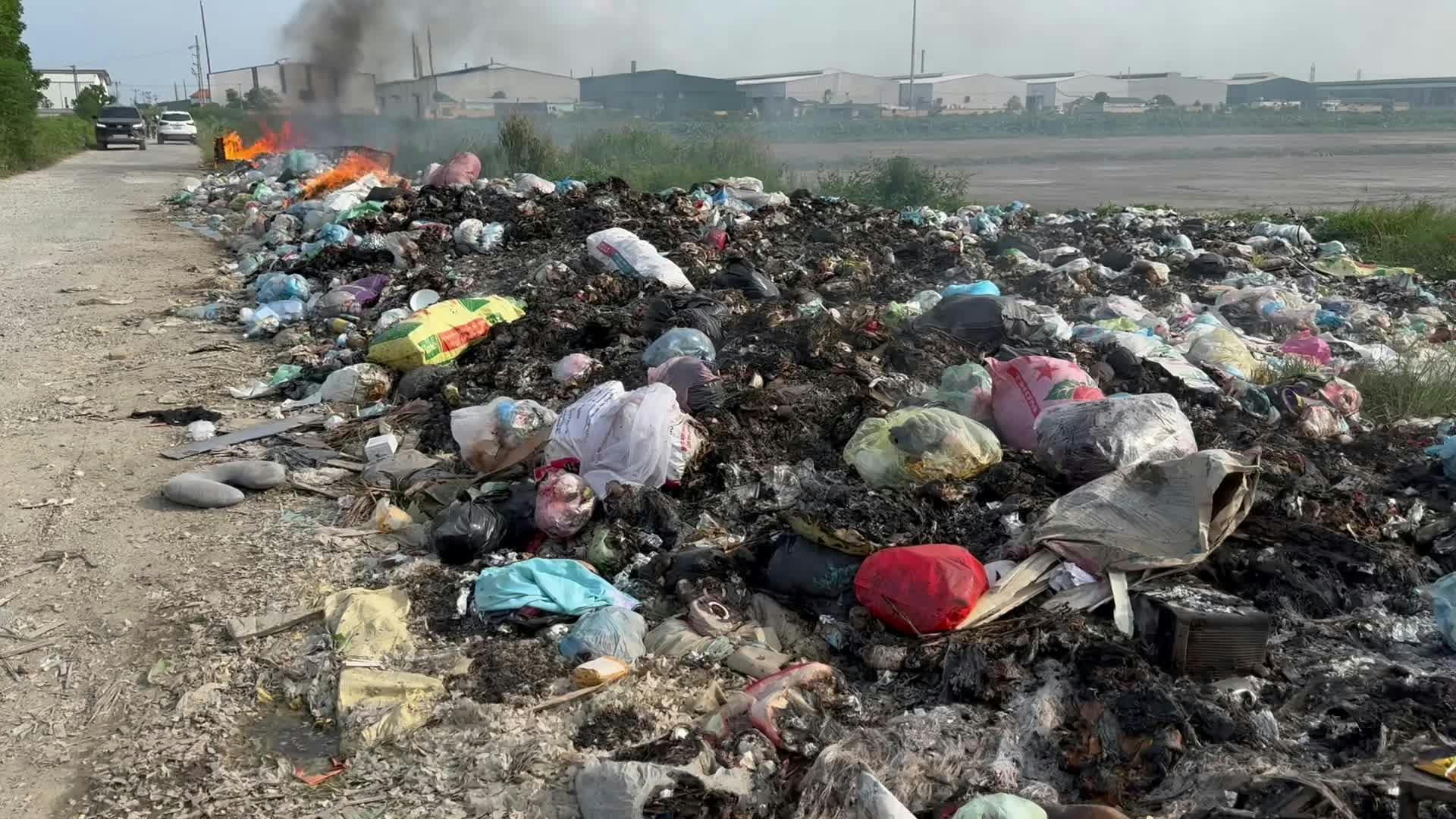
The Jakarta Environmental Agency (DLH DKI Jakarta) has announced the resumption of waste transport to the Integrated Waste Processing Site (TPST) in Bantargebang, following a period of suspension caused by waste accumulation from the Eid al-Adha holiday, in addition to a landslide incident at the site. The head of DLH, Asip Kuswanto, confirmed that operations would return to normal within this week.
Kuswanto noted that the agency is working to address the accumulated waste in the city, aiming to distribute it to various processing facilities, including TPST Bantargebang and the RDF plant, to alleviate pressure on the city and ensure that it does not cause inconvenience to citizens.
Details of the Incident
The landslide incident at TPST Bantargebang exacerbated the waste crisis, leading to waste accumulation at several points within the city. Kuswanto expressed his apologies to citizens for the inconvenience caused, emphasizing that the agency is working diligently to resolve this issue.
To ease congestion, DLH has rescheduled waste transport times, dividing operations into three shifts daily, which has helped reduce waiting times for vehicles. It was also confirmed that there are no restrictions on the amount of waste sent; instead, the work system has been improved to ensure operations run more efficiently.
Background & Context
Jakarta is one of the largest cities in Southeast Asia and faces significant challenges in waste management. With a growing population and rapid urban growth, waste management has become an urgent issue. Historically, the city has experienced several waste management crises, leading to exacerbated environmental and health problems.
TPST Bantargebang is one of the largest waste processing facilities in Indonesia, established to handle the waste generated by the city's residents. However, incidents such as landslides reflect the challenges these facilities face in maintaining their safety and efficiency.
Impact & Consequences
The repercussions of the waste crisis in Jakarta extend beyond environmental dimensions, also affecting public health and citizen comfort. Waste accumulation can lead to the spread of diseases, increasing pressure on the healthcare system. Additionally, the congestion caused by waste transport operations can impact traffic flow and increase pollution.
This crisis presents an opportunity to rethink waste management strategies in the city. It is crucial for the government to invest in improving infrastructure and developing more sustainable waste management systems, including recycling and waste reduction.
Regional Significance
Waste management is a global issue, with many Arab cities facing similar challenges. As population numbers rise and urban growth continues, Arab countries need to develop effective waste management strategies. Jakarta's experience can serve as an important lesson for Arab nations on how to address environmental crises.
In conclusion, the waste crisis in Jakarta highlights the urgent need for improved waste management in major cities. It is essential for governments to adopt sustainable strategies to ensure citizen health and a clean environment.