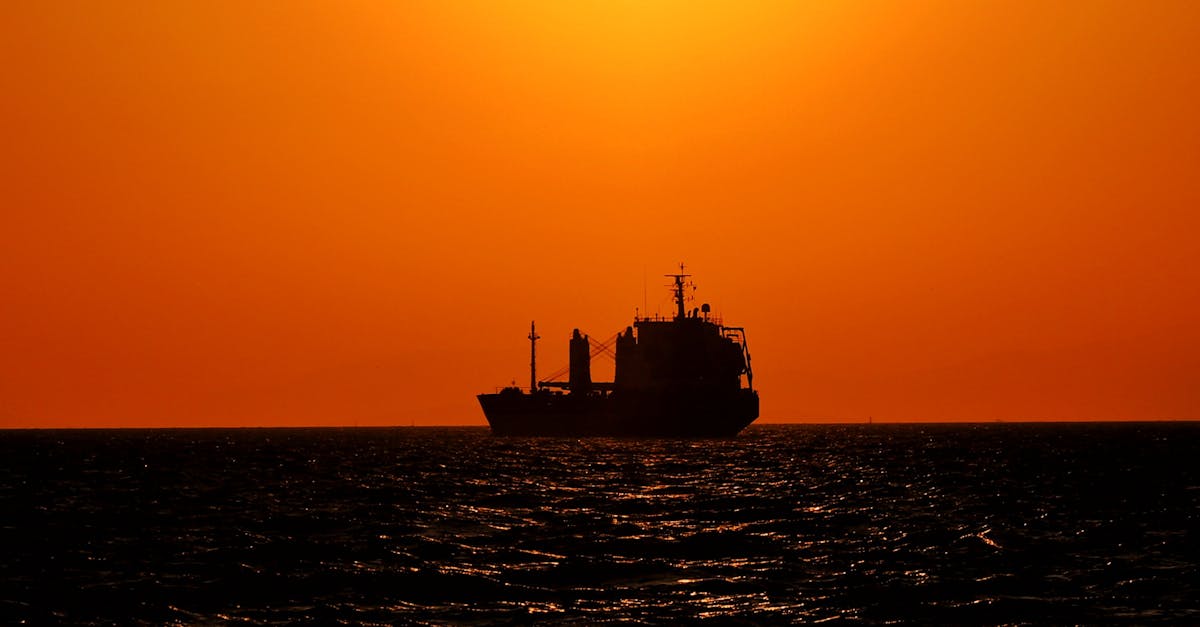
Suzie Huang, portfolio manager at BNP Paribas Asset Management, stated that the resumption of navigation in the Strait of Hormuz will have a significant impact on global oil markets. This statement follows the announcement of a two-week ceasefire between the United States and Iran, sparking new hopes for market stability.
Huang pointed out that the key question is: how long will it take for oil to reach the concerned countries after the strait is opened? This question is crucial in determining the sustainability of the current market recovery.
Details of the Event
These remarks come at a sensitive time when oil markets are heavily influenced by political unrest in the region. The Strait of Hormuz, one of the world's most important maritime passages, sees significant oil traffic, with about 20% of the total oil consumed globally passing through it.
The ceasefire between the United States and Iran may pave the way for a full resumption of navigation, potentially leading to an increase in oil supplies and thus stabilizing prices. However, the question remains regarding how this resumption will affect markets in the short term.
Background & Context
Historically, the Strait of Hormuz has witnessed numerous political and military tensions that have had direct effects on global oil prices. In recent years, tensions between the United States and Iran have escalated, leading to threats of closing the strait, which significantly impacted the markets.
The current ceasefire reflects diplomatic efforts aimed at easing tensions and may be a step towards greater stability in the region. Nevertheless, challenges remain, as relations between the two countries are still strained.
Impact & Consequences
If the ceasefire holds and the Strait of Hormuz is fully opened, it could lead to a significant drop in oil prices, which would positively impact the global economy. Additionally, stable oil prices could enhance investments in the energy sector and increase confidence in financial markets.
On the other hand, any new escalation in tensions could reverse these trends, placing markets in a state of uncertainty. Therefore, close monitoring of political developments will be essential in the coming period.
Regional Significance
For Arab countries, the resumption of navigation in the Strait of Hormuz carries great importance. Many Gulf countries heavily rely on oil exports, and any changes in prices can directly affect their economies.
Moreover, regional stability can enhance economic cooperation among Arab nations and boost joint investments. Thus, any progress in U.S.-Iran relations will have positive effects on the economic conditions in the region.
In conclusion, the resumption of navigation in the Strait of Hormuz could represent a turning point in global oil markets, reflecting the importance of diplomatic relations in achieving economic stability.