Global markets have experienced positive movements following the announcement of a U.S.-Iran ceasefire agreement for two weeks, resulting in oil prices dropping below $100 per barrel and gold reaching its highest level in three weeks. The dollar has fallen to its lowest level in two weeks, while the euro, yen, and Australian dollar have all seen increases in Asian trading.
The Strait of Hormuz is one of the most important strategic waterways in the world, through which approximately 20% of global oil supplies and nearly 20% of liquefied natural gas pass, in addition to over 30% of fertilizer trade. The strait is a vital artery not only for energy markets but also for global food security, as any disruption in the flow of fertilizers could lead to crop declines in several countries, increasing the likelihood of a global food crisis.
Event Details
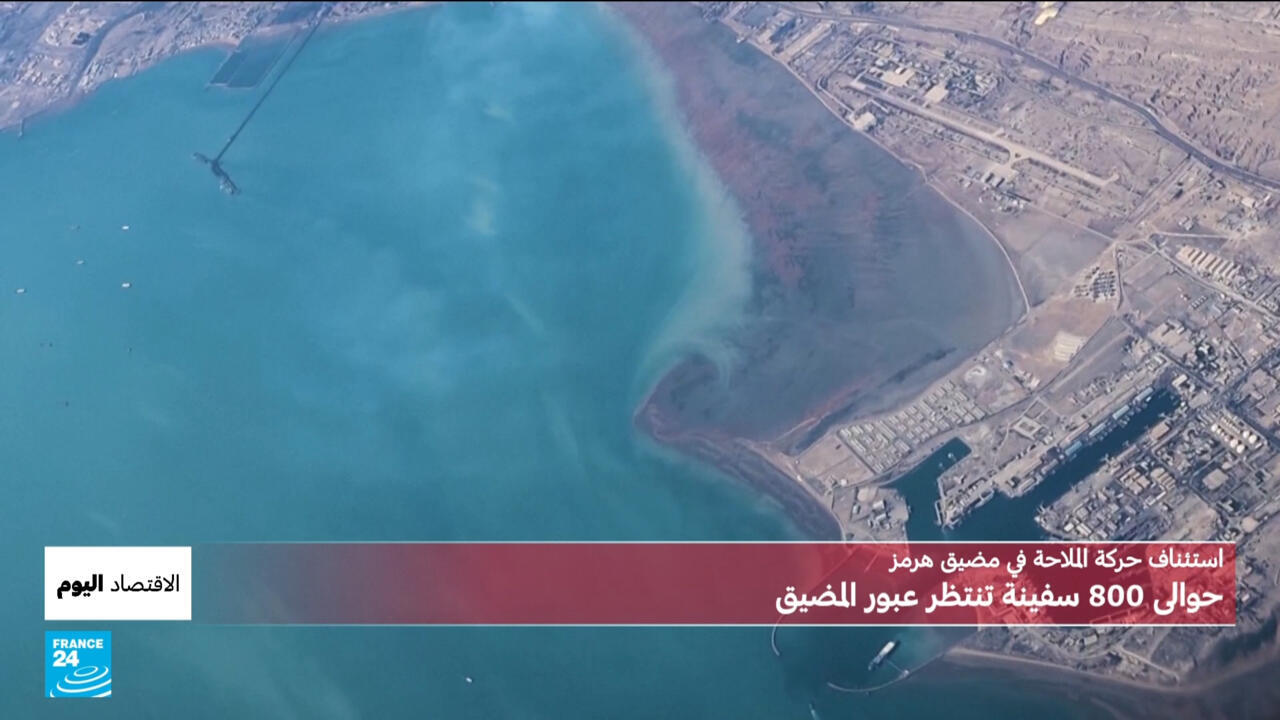
These market movements come after months of historic rises in oil prices due to geopolitical tensions. Reports have noted the presence of around 800 large vessels in the area, loaded with oil, gas, foodstuffs, and fertilizers, making the strait a crucial artery for global energy and food security. Concerns have escalated in recent times with the outbreak of tensions, amid warnings of serious repercussions for the global economy.
In this context, the head of the International Energy Agency stated that the current crisis could be more severe than the oil shocks experienced in 1973 and 1979, as well as the crisis of 2022 combined, reflecting the level of concern regarding supply disruptions.
Background & Context
Historically, the Strait of Hormuz has witnessed numerous crises that have impacted global oil prices. For decades, this strait has been a stage for military and political tensions, directly affecting market stability. In recent years, fears have increased regarding escalating tensions between Iran and the United States, leading to unprecedented rises in oil prices.
This region is pivotal in securing global energy supplies, as many countries rely on it to meet their energy needs. Previous crises have heightened awareness of the importance of stabilizing this waterway.
Impact & Consequences
The repercussions of the current events extend beyond their impact on oil and gold prices, affecting global economic stability in general. A drop in oil prices could improve global economic conditions; however, at the same time, a declining dollar may increase inflationary pressures in some countries.
Additionally, the resumption of navigation in the Strait of Hormuz may help bolster confidence in the markets, potentially leading to increased investments and improved economic conditions in many countries. Nevertheless, concerns remain regarding the possibility of renewed tensions in the region.
Regional Significance
For Arab countries, the stability of navigation in the Strait of Hormuz is vital, as many of these nations depend on oil and gas supplies. Any disruption in this passage could directly impact their economies. Stabilizing prices may also aid in promoting economic growth in the region.
In conclusion, attention remains focused on developments in the Strait of Hormuz, as any changes could significantly affect the global economy, particularly for Arab nations.