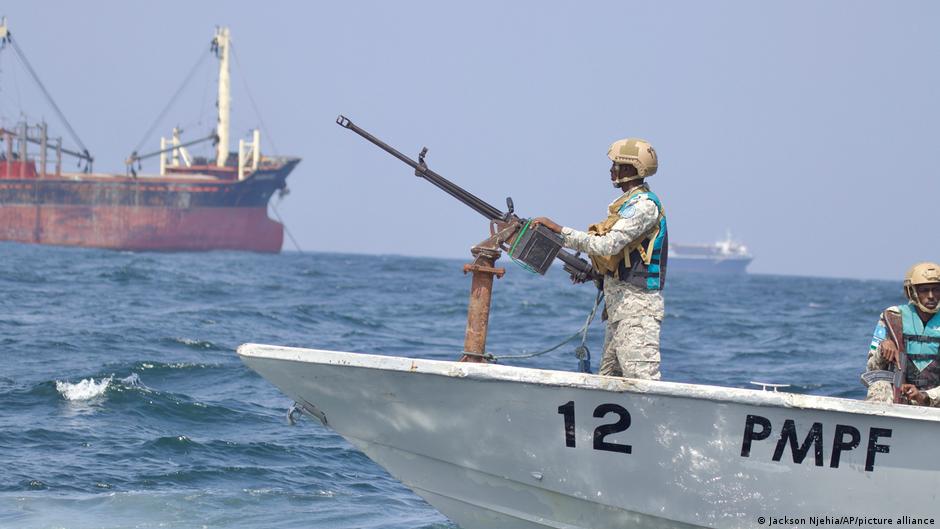
The global shipping routes are facing a renewed crisis with the resurgence of piracy off the coast of Somalia, which is driving up insurance costs and transit times. This crisis coincides with the challenges confronting global trade as a result of conflicts in the Middle East, where the Strait of Hormuz has been closed to commercial shipping, prompting many companies to alter their routes.
In recent months, numerous shipping companies have opted to navigate around Africa to avoid conflict zones in the Middle East, resulting in an increase in maritime travel times by approximately two to three weeks. These shifts are taking vessels through Somali waters, where piracy has re-emerged after a significant decline since its peak in 2011.
Details of Recent Incidents
In the past three weeks, three vessels have been hijacked off the coasts of Somalia and Yemen, including the oil tankers Honour 25 and Eureka, as well as the commercial ship Sward. Experts indicate that organized criminal groups in Somalia are exploiting the current situation to launch new attacks, as international naval patrols aimed at combating piracy have diminished.
Tim Walker, a senior researcher at the South African Institute for Security Studies, states that pirates now perceive fewer obstacles along the Somali coast, which stretches over 3,300 kilometers. Some groups, led by piracy leaders, are seeking to seize vessels and hold their crews hostage, demanding high ransoms for their release.
Background & Context
Historically, piracy off the coast of Somalia has been a significant issue, causing economic losses estimated at around $7 billion annually at its peak. Military operations, such as the European Atalanta mission, aimed to protect vessels but are not escort forces, making them responsible for monitoring vast areas of the Indian Ocean.
As international support for development projects in Somalia has waned, particularly in coastal communities, poverty and unemployment have surged, contributing to the return of youth to engage in piracy activities. In recent years, most non-security developmental aid from the United States has been suspended, negatively impacting anti-piracy efforts.
Impact & Consequences
Estimates suggest that any significant increase in piracy could lead to even higher shipping costs, adversely affecting global trade. While insurance prices have risen due to conflicts in the Middle East, any escalation in piracy could increase shipping costs by up to $1 million per voyage.
Concerns are mounting that these multiple crises could exacerbate global economic conditions, as the costs of military operations, rerouting, and increased speeds all contribute to financial burdens on shipping companies.
Regional Significance
The resurgence of piracy poses a substantial threat to global trade, necessitating urgent measures to protect shipping routes. The implications of this situation extend beyond the immediate region, as disruptions in shipping can have ripple effects on the global economy.
In conclusion, the return of Somali piracy is a critical issue that requires immediate attention from international stakeholders to ensure the safety and security of maritime trade.