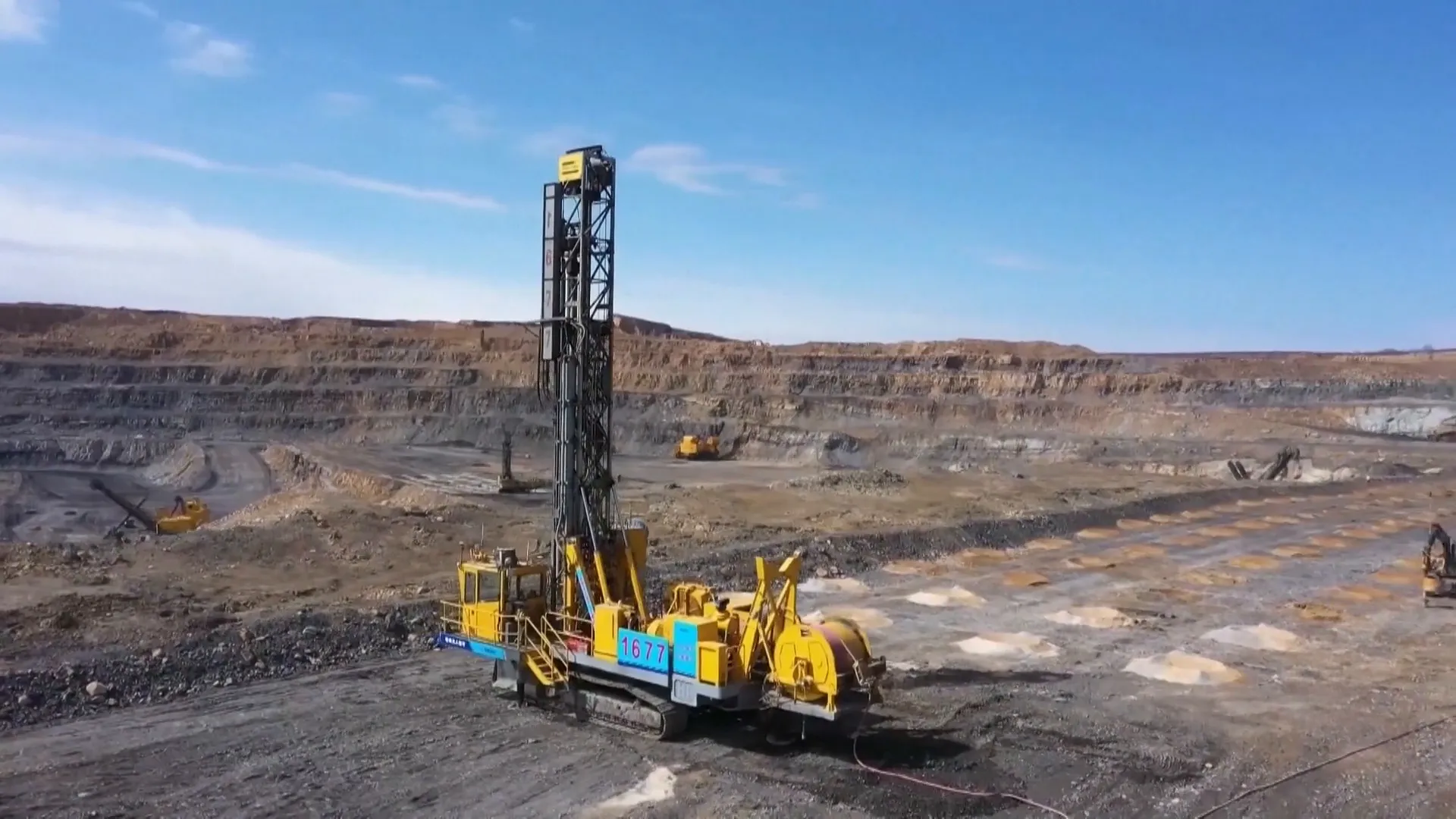
The global energy markets are undergoing drastic changes due to the closure of the Hormuz Strait, threatening oil and gas flows. In this context, coal has re-emerged as a key option to compensate for energy supply shortages.
Events have accelerated in the Hormuz Strait, one of the world's most important waterways, through which approximately 20% of global oil supplies pass. The escalating tensions in the region have led to the closure of this vital corridor, significantly impacting supply chains and causing energy prices to surge.
Details of the Event
The crisis of closing the Hormuz Strait has caused major disruptions in oil and gas markets, with prices experiencing unprecedented increases. Reports indicate that oil-importing countries have begun seeking alternatives to secure their supplies, bringing coal back to the forefront as an available option despite its high environmental costs.
Despite global efforts to reduce coal usage due to its negative environmental impact, the urgent need to secure energy supplies has prompted many countries to rethink their strategies. Recent data shows that some European countries have started increasing coal imports to compensate for shortages in gas and oil.
Background & Context
Historically, coal has been considered one of the main sources of energy, but it has faced widespread criticism due to its carbon emissions. However, geopolitical crises like the one occurring in the Hormuz Strait highlight the challenges countries face in securing sustainable energy sources.
In recent years, many countries have turned to renewable energy sources, but current crises put these efforts under significant pressure. The return to coal may be temporary, but it reflects the difficulties countries encounter in balancing energy needs with environmental preservation.
Impact & Consequences
The repercussions of the Hormuz Strait crisis extend beyond energy, impacting the global economy as a whole. Rising energy prices can lead to increased living costs, affecting both households and businesses.
Moreover, the growing reliance on coal may spark widespread debate over environmental policies, as governments may need to reassess their strategies in the face of environmental challenges. This situation could escalate discussions around clean energy and the transition to more sustainable energy sources.
Regional Significance
Looking at the Arab region, the Hormuz Strait crisis directly affects oil-producing and exporting countries. Gulf states, which heavily rely on oil revenues, may face new challenges amid rising prices and market volatility.
Furthermore, tensions in the region could lead to increased investments in renewable energy projects, as countries seek to reduce their dependence on oil and coal. These shifts may contribute to enhancing energy sustainability in the future.
In conclusion, the Hormuz Strait crisis reflects the complex challenges facing global energy markets and underscores the need for flexible strategies that ensure supply security while balancing economic and environmental needs.