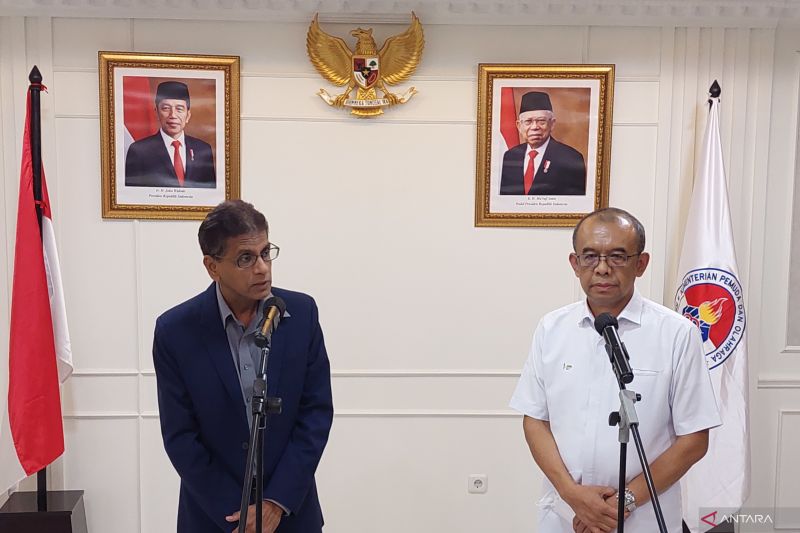
The Indonesian Swimming Federation (PB Akuatik) has announced the return of athletes who were training under the national program for the 2026 Asian Games to their clubs due to budget constraints that hinder the program's continuity. This decision was made during a press conference held by the federation's vice president, Wisnu Wardhana, in Jakarta, where he indicated that the current financial situation necessitates urgent action.
Wardhana explained that the training program for the Asian Games, set to commence in March 2026, faces difficulties due to the limited budget communicated to them by the Ministry of Youth and Sports. He confirmed that the federation is striving to find solutions to maintain the athletes' competitive opportunities.
Details of the Decision
The number of athletes included in the national program has been reduced from 24 to 12, reflecting the impact of budget constraints exceeding 50%. Some athletes, such as Fliren Kandria Wonomihario, expressed their disappointment with this decision, as they were expected to achieve good results in upcoming competitions.
The Indonesian government is seeking to cut expenses across various sectors, which has directly affected sports support programs. Wardhana noted that the reduced athletes were among those who had previously won medals in past championships, raising concerns about their future.
Background & Context
Historically, Indonesia has faced numerous challenges in funding sports programs, especially with major events like the Asian Games approaching. The national training program is a crucial part of Indonesia's strategy to achieve success in these competitions, relying on providing an ideal training environment for athletes.
In recent years, Indonesia has succeeded in achieving outstanding results in several championships, increasing the importance of supporting athletes. However, financial challenges may hinder these successes, necessitating a reevaluation of resource management.
Impact & Consequences
This decision poses a significant challenge for athletes who were looking to improve their performance in the Asian Games. Returning to their clubs may affect the level of training they receive, potentially reflecting negatively on their performance in competitions.
Moreover, this decision may impact the morale of the athletes, as some feel instability and insufficient support from the federation. Maintaining athletes' morale under such circumstances is crucial for achieving future success.
Regional Significance
This issue exemplifies the challenges faced by many countries in the Arab region regarding sports. Some countries suffer from a lack of funding and necessary support for sports programs, affecting athletes' ability to compete internationally.
Arab countries can learn from Indonesia's experience in managing budget constraints by seeking partnerships with the private sector or enhancing investment in sports as a means to promote national identity and achieve accomplishments.
The decision to return athletes to their clubs due to budget constraints highlights the challenges facing sports in Indonesia. A swift and effective response is required to ensure continued support for athletes and achieve success in upcoming competitions.