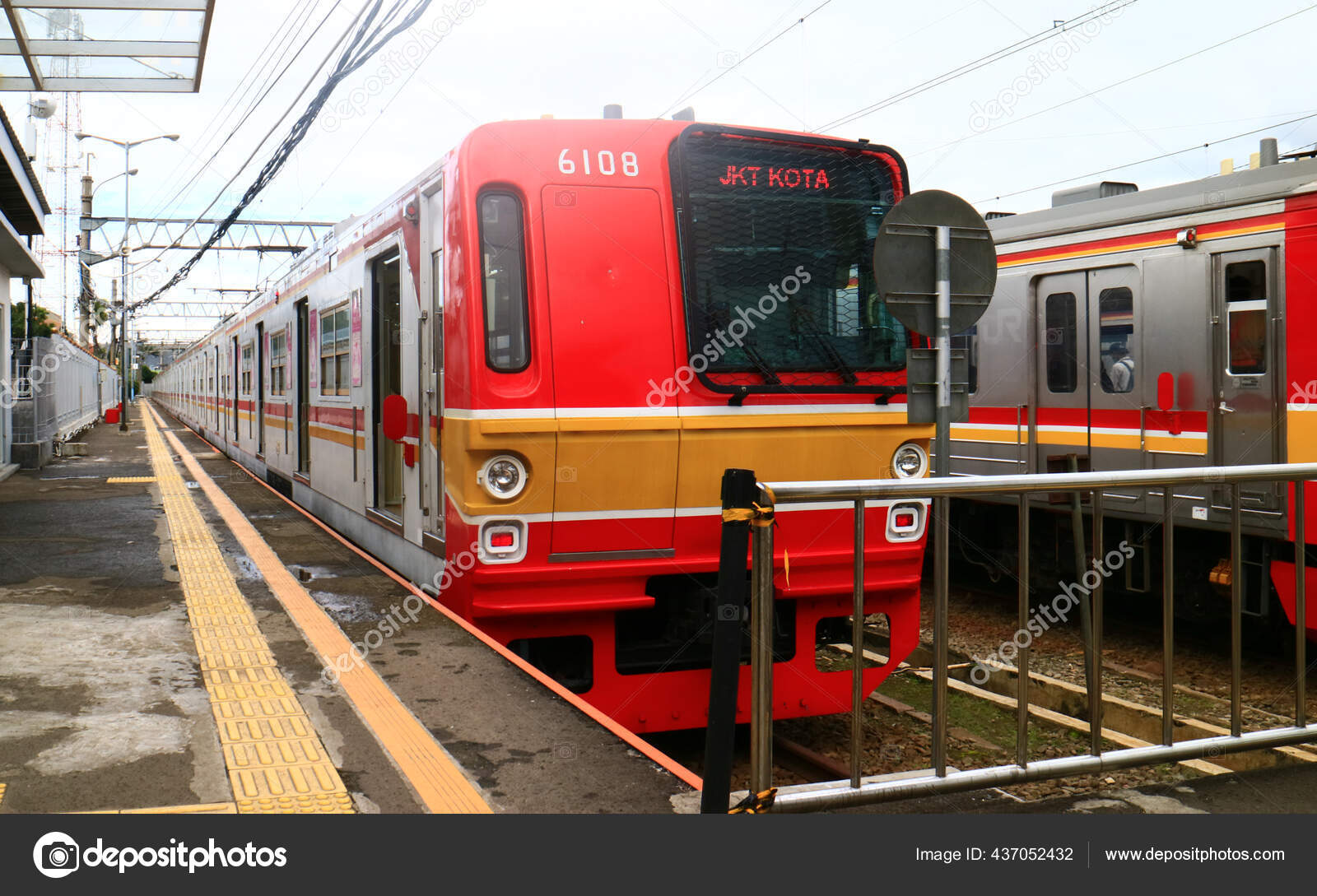
Bogor Station, one of the main railway stations in Indonesia, has experienced a substantial return of passengers on the first working day after the Eid al-Fitr holiday. Many travelers flocked to the railway lines, leading to crowded platforms filled with commuters eager to return to their jobs after a break.
This return to crowds is an indicator of the resumption of normal life in the country, as the Indonesian government hopes to boost economic activity after a long period of restrictions imposed by the COVID-19 pandemic. Images circulating on social media depicted passengers moving swiftly between platforms, reflecting a state of activity and vitality.
Event Details
With the resumption of work after the Eid al-Fitr holiday, the number of passengers at Bogor Station has noticeably increased, with long queues of travelers waiting to board trains. Reports indicate that railway services have been enhanced to meet the rising demand, with additional trips provided to facilitate passenger movement.
The railway management emphasized the importance of adhering to health protocols, distributing masks to passengers and providing hand sanitizers at the station. However, concerns remain regarding the potential rise in COVID-19 cases due to the congestion.
Background & Context
Historically, Bogor Station is considered one of the most important railway stations in Indonesia, connecting the capital city of Jakarta with other major cities. Over the years, the station has witnessed numerous changes in passenger traffic, especially during national events such as Eid al-Fitr.
After a long period of lockdown due to the pandemic, Indonesia began easing restrictions, allowing people to return to work and daily activities. This year's Eid al-Fitr served as a real test of the country's ability to restore normal life, with widespread celebrations taking place across the nation.
Impact & Consequences
The return of crowds at Bogor Station is evidence of the economic recovery that Indonesia seeks to achieve post-pandemic. An increase in passenger traffic signifies a rise in commercial activity, contributing to the improvement of the economic situation for many small and medium-sized enterprises.
However, this recovery comes with new challenges, as the government and society must address potential health risks. Adhering to health measures is crucial to ensure that a new wave of infections does not occur.
Regional Significance
Indonesia's experience in returning to normal life after the pandemic offers lessons that Arab countries can benefit from. Many Arab nations face similar challenges in restoring economic activity after periods of lockdown.
Arab countries can learn from Indonesia's strategies in managing passenger movement and enhancing compliance with health protocols, helping to achieve a balance between restoring economic activity and maintaining public health.
The return of crowds at Bogor Station represents a positive step towards restoring normal life in Indonesia, but it also requires ongoing awareness of health challenges. It is essential for governments to continue implementing effective plans to ensure the safety of citizens while revitalizing economic activity.