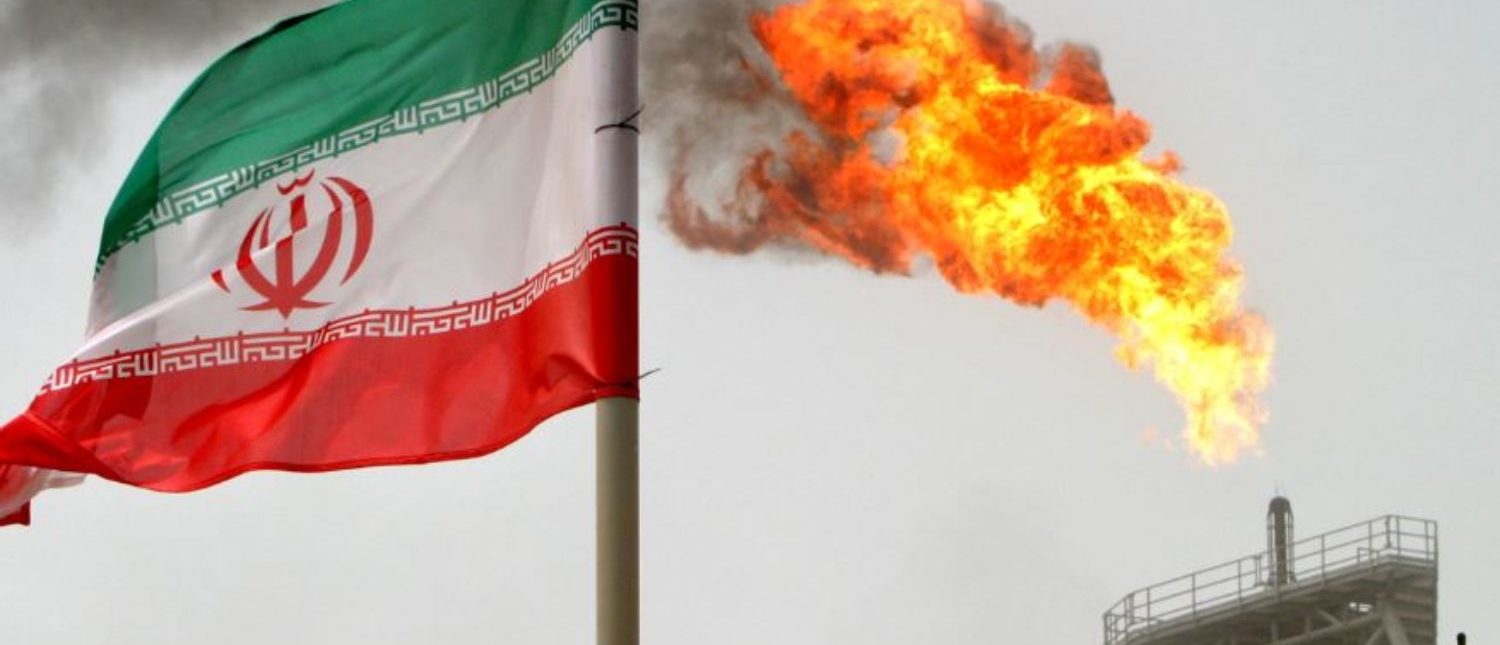
The Qatari gas tankers 'Al-Dhahain' and 'Rashida' have returned to their original positions after attempting to cross the Strait of Hormuz, where their return to Qatari waters was observed shortly after the crossing attempt. This move comes at a time when the strait is witnessing increasing tensions, raising concerns about maritime safety in this strategic region.
The gas tankers are considered vital assets for Qatar, which is one of the largest natural gas exporters in the world. Their attempt to cross the strait has raised questions about safety in these waters, especially amid the political and military tensions between Iran and Western countries.
Details of the Event
Reports indicate that the tankers were en route to cross the Strait of Hormuz, a vital passage for oil and natural gas. However, the tense situation in the region prompted the tankers to turn back, reflecting fears of escalating tensions.
The Strait of Hormuz is a strategic corridor through which approximately 20% of global oil supplies pass, making any threat to navigation there a significant concern for global economies. The region has witnessed several incidents involving commercial vessels in recent years, heightening fears regarding maritime safety.
Background & Context
Historically, the Strait of Hormuz has seen numerous crises, serving as a stage for political and military tensions. In recent years, tensions between Iran and the United States have escalated, impacting navigation in the strait. There are also concerns that any escalation in these tensions could affect global energy supplies.
Qatar is a leading producer of natural gas, and gas tankers play a crucial role in exporting these resources. Therefore, any threat to the safety of these tankers could significantly impact the Qatari economy and the global energy market.
Impact & Consequences
The sudden return of the two tankers may increase concerns among investors regarding the stability of the region, potentially affecting gas and oil prices in global markets. Additionally, these events could increase pressure on the involved countries to reach diplomatic solutions to ease tensions.
Moreover, these incidents may impact Qatar's plans to expand its gas production capacity, as the country heavily relies on gas exports to meet its economic needs.
Regional Significance
Events in the Strait of Hormuz are of great importance to the Arab region, as any escalation could affect regional security. Neighboring countries, such as the United Arab Emirates and Oman, may be directly impacted by any tensions in navigation.
Given the current situation, Arab countries must work together to ensure the safety of navigation in this vital area and seek diplomatic solutions to ease tensions.
In conclusion, the situation in the Strait of Hormuz remains under close observation, as all eyes are on new developments that may affect navigation and energy security in the region.