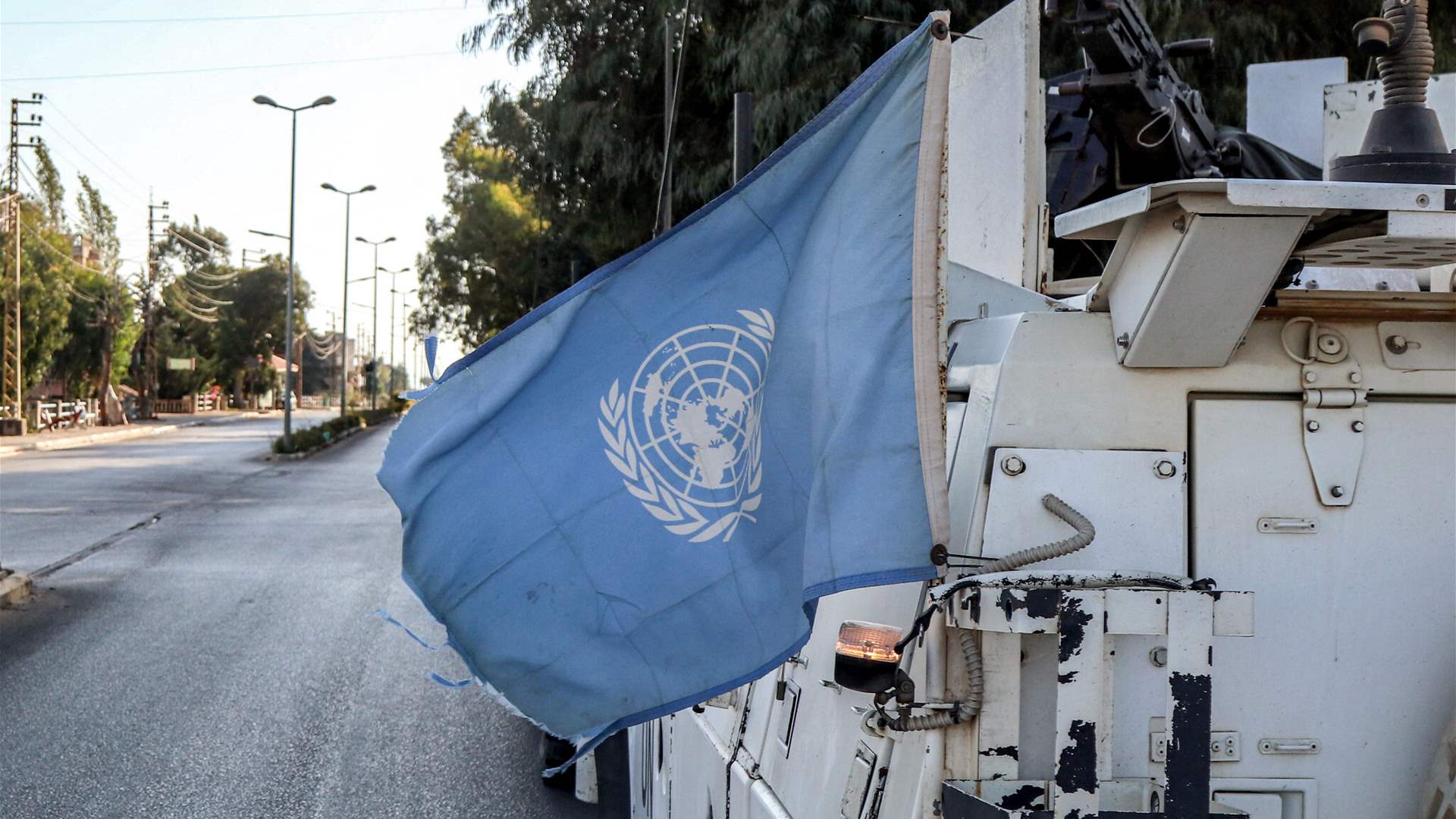
An Indonesian official, Brigadier General TNI Rico Ricardo Sirat, head of the Defense Information Office at the Indonesian Ministry of Defense, stated that the remains of the Indonesian soldier who was killed while on duty in Lebanon will be returned home either on Friday, April 3, or Saturday, April 4. Sirat explained that there is difficulty in determining the flight schedule due to the limited available flights from Lebanon as a result of the ongoing conflict in the region.
The soldier who was killed is one of three Indonesian soldiers serving in the United Nations Interim Force in Lebanon (UNIFIL), who were reported killed during March 2026. The deceased have been identified as Farizal Romadon, Mohammad Noor Eishwan, and Zulmi Aditya Iskandar.
Details of the Incident
Soldier Farizal died due to artillery shelling near Adshit al-Qusair in southern Lebanon on Sunday, March 29, while both Noor Eishwan and Zulmi lost their lives in a car explosion near Bani Hayan on Monday, March 30. These incidents come at a sensitive time as tensions in the region escalate, complicating the process of repatriating the bodies.
The remains are currently preserved at Sidon Hospital in Lebanon, where preparations are being made for their return to Indonesia. Sirat confirmed that the remains are in safe condition, reflecting the efforts made to ensure the rights of the soldiers and their families are respected.
Background & Context
Historically, Lebanon has witnessed multiple conflicts, especially since the outbreak of the civil war in the 1970s. Since then, United Nations forces have intervened in Lebanon to mitigate tensions between the conflicting parties. The UNIFIL mission is part of international efforts to maintain peace and stability in the region, involving soldiers from several countries, including Indonesia.
Concerns are growing regarding the safety of soldiers deployed in peacekeeping missions, especially amid rising violence in certain areas. Recent incidents have shown that Indonesian soldiers face significant risks while performing their duties, highlighting the need for greater protection for them.
Impact & Consequences
These incidents serve as a stark reminder of the challenges faced by peacekeeping forces in conflict zones. They also raise questions about the effectiveness of United Nations missions in protecting soldiers and ensuring their safety. It is crucial for governments to take serious steps to improve working conditions for soldiers involved in these missions.
Moreover, the deaths of soldiers can impact relations between Indonesia and other countries participating in peacekeeping missions, necessitating greater coordination to ensure the safety of all participants. These incidents may also increase pressure on the Indonesian government to provide more support to the families of the affected soldiers.
Regional Significance
The Arab region is significantly affected by ongoing conflicts, where peacekeeping forces play an important role in attempting to achieve stability. The deaths of Indonesian soldiers highlight the risks faced by these forces, which may influence Arab countries' decisions regarding participation in future peacekeeping missions.
In conclusion, these incidents represent a call to reflect on how to improve working conditions for soldiers involved in peacekeeping missions and ensure their safety while performing their duties. Supporting the families of affected soldiers is an essential part of this effort, reflecting the international community's commitment to protecting human rights.