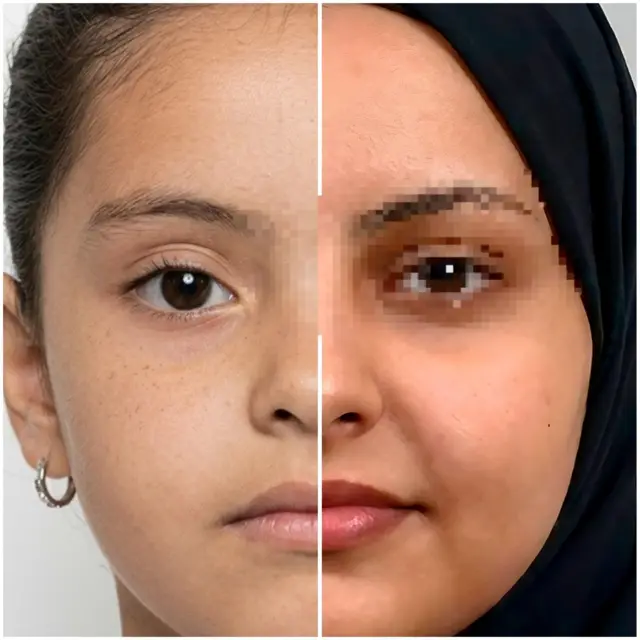
After 12 years of abduction, Nada has returned to the embrace of her true family, revealing a painful story during which she endured harsh conditions. Nada, who was kidnapped as a child, lived under the name Fatima with her abductor, who forged her official documents, making it difficult for authorities to identify her.
The details of this painful story date back to 2011, when Nada disappeared from her family home under mysterious circumstances. Since then, she embarked on a long journey of suffering, where she was subjected to harsh methods by her abductor, who exploited her innocence and childhood. As the years passed, Nada became part of her abductor's life, but deep down, she was searching for her true identity.
Details of the Incident
Recently, authorities were able to identify Nada after her story garnered media attention and public interest. Her true identity was revealed through intensive investigations, leading to her reunion with her family. This story was not just an isolated incident; it highlighted the ongoing issue of child abduction that continues to plague communities.
The case of Nada is one among many instances where children are abducted, necessitating strict measures to protect children. Furthermore, this case raised questions about how to safeguard children from such crimes and the need to enhance community awareness on this issue.
Background & Context
Historically, many countries have witnessed cases of child abduction, leading to the formation of non-governmental organizations dedicated to protecting children and promoting their rights. In recent years, instances of abduction have increased in certain areas, prompting intervention from local and international authorities. This phenomenon is not new, but it requires ongoing efforts to combat it.
The reasons behind child abduction are varied, ranging from economic motives to psychological and social factors. Sometimes, children are exploited for commercial or criminal purposes, making it essential to strengthen laws and regulations to protect children from these dangers.
Impact & Consequences
The impact of Nada's case extends beyond her family, as child abduction issues have garnered widespread attention in society. This case reflects the urgent need to develop effective strategies to combat this phenomenon. It also underscores the importance of international cooperation in addressing these cross-border crimes.
Combating child abduction requires joint efforts from governments and local communities, where there should be awareness and educational programs for families on how to protect their children. Additionally, cooperation between local and international authorities should be enhanced to share information and expertise.
Regional Significance
Nada's case is not unique; it reflects larger challenges faced by the Arab region in protecting children. Many Arab countries suffer from similar issues, necessitating enhanced efforts to protect children and ensure their rights. There should be a collective response to address this phenomenon, encouraging dialogue between countries and sharing successful experiences.
In conclusion, Nada's story highlights the importance of collective action to protect children from the threat of abduction. Continuous efforts are required to ensure children's safety and provide a secure environment for them, which necessitates collaboration between governments and communities.