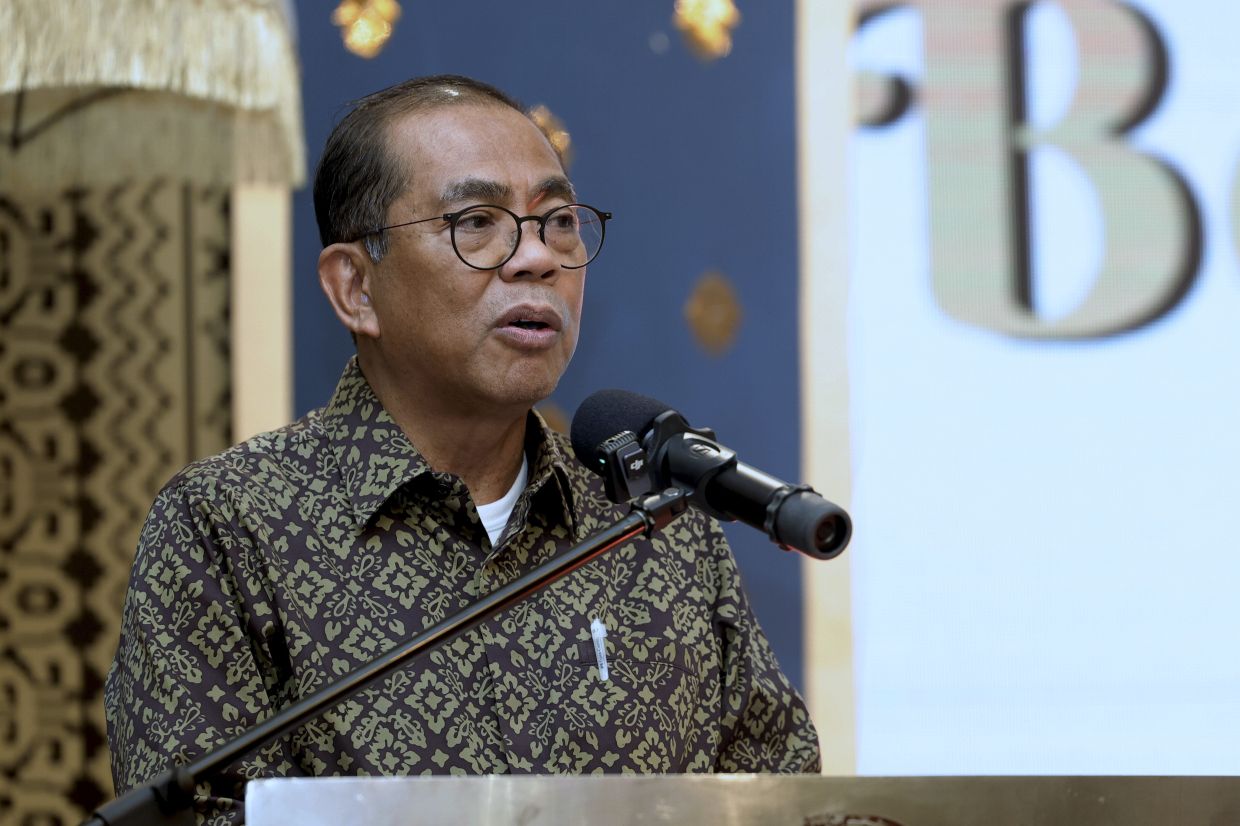
The Malaysian Ministry of Defense has announced a radical change in its strategy to support veterans, shifting its focus towards enhancing long-term employment and economic empowerment instead of relying on traditional social assistance. This was stated by the Malaysian Defense Minister, Datuk Seri Mohamad Khalid Nordin, during a press conference in Kota Tinggi.
The minister emphasized that this new direction aims to improve the quality of life for veterans by providing sustainable job opportunities, which contributes to enhancing their financial independence and reducing reliance on government support. This shift is considered a significant step in the Malaysian government's efforts to improve the conditions of veterans and provide them with the necessary support.
Details of the Initiative
In his remarks, Datuk Seri Mohamad Khalid Nordin explained that the ministry will develop vocational training programs targeting veterans, enabling them to acquire new skills that align with labor market needs. He also highlighted the importance of collaborating with the private sector to provide suitable job opportunities for this group.
The minister confirmed that the government will provide financial and technical support for small projects managed by veterans, enhancing their ability to achieve financial independence. This initiative is part of the Malaysian government's vision to bolster the national economy by supporting the most vulnerable groups.
Background & Context
Historically, veterans in many countries have faced difficulties in adapting to civilian life after their military service. In Malaysia, social assistance has been the primary means of supporting these individuals, but with the increasing economic challenges, it has become essential to seek more sustainable solutions.
This step is part of the Malaysian government's broader efforts to improve the overall standard of living, as it aims to achieve sustainable development by empowering individuals and communities. This approach reflects the government's commitment to achieving social justice and enhancing job opportunities for all.
Impact & Consequences
This new direction is expected to have a positive impact on the lives of veterans, allowing them to regain their active roles in society. Additionally, providing job opportunities will enhance their financial stability and reduce the psychological pressures they may face due to reliance on assistance.
Moreover, this initiative could encourage increased investments in small and medium-sized enterprises, contributing to the overall strengthening of the national economy. This transformation is seen as a step towards achieving the sustainable development that the Malaysian government aspires to.
Regional Significance
Malaysia's experience in restructuring support for veterans can serve as a model for the Arab region, where many countries face similar challenges. With the rising number of veterans in Arab countries due to ongoing conflicts, it is crucial to seek effective solutions to support and empower them economically.
Enhancing employment and economic empowerment for veterans can contribute to improving social and economic conditions in the region, highlighting the importance of these initiatives in achieving stability and sustainable development.