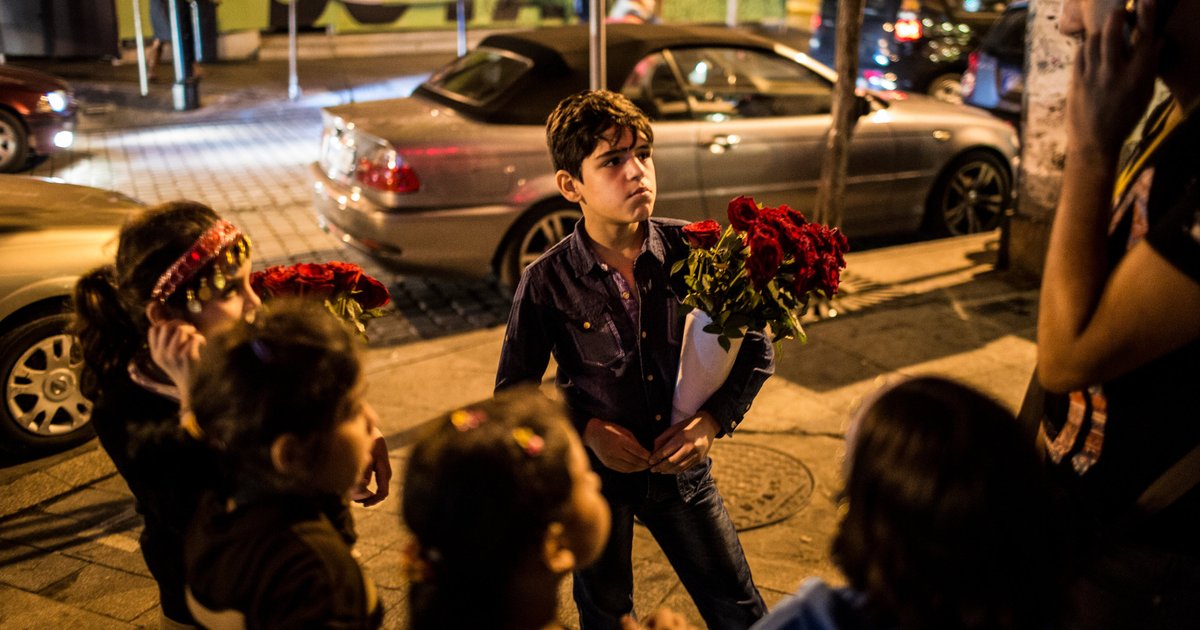
In light of the worsening humanitarian crisis in Lebanon, Minister of Social Affairs Haneen Al-Sayed announced concerning figures reflecting the scale of displacement and the challenges facing the country. Al-Sayed confirmed that current resources do not meet the increasing needs, placing the state before a significant humanitarian challenge.
Reports indicate that the number of displaced persons in Lebanon has exceeded 1.5 million, a figure that reflects the difficult situation many families are experiencing. This announcement comes at a time when the country is suffering from compounded economic and social crises, complicating the government's efforts to manage the displaced persons issue.
Details of the Announcement
During a press conference, the Minister of Social Affairs reviewed the figures related to displaced persons, indicating that most of them fled from armed conflicts in neighboring countries, particularly from Syria. She confirmed that the Lebanese government faces significant challenges in providing basic services to these displaced individuals, such as education and healthcare.
Al-Sayed also noted that the deteriorating economic situation in Lebanon complicates the possibility of providing necessary support to the displaced, as the country suffers from a severe shortage of financial resources. She explained that the government is striving to cooperate with international and local organizations to meet the needs of the displaced, but the available resources are insufficient.
Background & Context
Historically, Lebanon has witnessed waves of displacement due to regional conflicts. Since the onset of the Syrian crisis in 2011, Lebanon has become a refuge for many displaced individuals fleeing violence. This influx has increased pressure on the country's infrastructure and public services, forcing the Lebanese government to face unprecedented challenges.
Despite the efforts made by the Lebanese government and the international community, the situation remains dire. Reports have shown that many displaced persons live in difficult conditions, facing shortages of food and shelter, exacerbating their daily suffering.
Impact & Consequences
The repercussions of the displacement crisis in Lebanon extend beyond national borders, affecting the stability of the entire region. As displacement continues, pressures on neighboring countries increase, potentially exacerbating humanitarian crises in the area. Additionally, instability in Lebanon could impact regional security, necessitating urgent international intervention.
It is crucial for Arab countries and the international community to collaborate in addressing this humanitarian crisis, as Lebanon cannot bear the burden of displaced persons alone. The current situation requires a coordinated and comprehensive response to meet the needs of the displaced and the host communities.
Regional Significance
The displacement crisis in Lebanon serves as an example of the humanitarian challenges faced by many Arab countries. Ongoing conflicts in the region, such as the conflict in Syria and Yemen, lead to increased numbers of displaced persons, placing additional pressures on host countries.
There needs to be a unified Arab response to tackle these challenges, as cooperation among Arab nations can contribute to improving the humanitarian situation for the displaced and alleviating pressures on host countries. Furthermore, enhancing regional cooperation can help achieve stability in the region.
In conclusion, the displacement crisis in Lebanon remains an urgent humanitarian issue that requires international and Arab attention. Efforts must be combined to provide the necessary support for the displaced and improve their living conditions, ensuring a better future for them and the host communities.