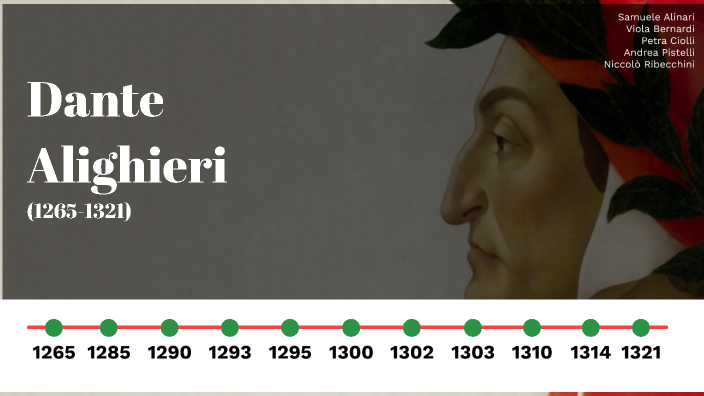
In a move that reflects the depth of Italian literature, Mina Naji, in his introduction to the translation of Dante Alighieri's 'On the Rhetoric of the Vernacular,' points out that the most famous Italian poet was not only a poet in classical language but also a poet of the vernacular. This fact may be overlooked by many, especially since Dante's works, such as 'The Divine Comedy,' are often presented in high Arabic classical language, leading us to forget his roots in the vernacular.
Dante Alighieri is considered one of the most prominent literary figures in history, combining poetry, philosophy, and politics. His works have contributed to shaping Western literature, but focusing on the rhetoric of the vernacular opens new horizons for understanding his literature and its impact.
Event Details
Mina Naji's translation of the book addresses multiple aspects of the rhetoric of the vernacular, showing how dialects are not just mere accents but organic entities that grow and evolve over time. This reflects the language's ability to adapt to various social and cultural conditions.
In the book, Dante highlights how vernaculars reflect the cultural identity of peoples and contribute to expressing their feelings and thoughts in a manner closer to reality. This proposition opens the door for discussion about the importance of the vernacular in Arabic literature as well.
Background & Context
Historically, vernaculars were considered inferior to classical language, but over time, their literary value began to be recognized. In Arabic literature, many poets and writers have used the vernacular to express the issues of their communities, enriching Arabic literature.
Dante's works demonstrate how the vernacular can be a powerful tool for conveying ideas and emotions, reflecting societal interactions and changes. This aligns with what is happening in the Arab world, where writings in the vernacular are increasing in literature and poetry.
Impact & Consequences
Reconsidering the rhetoric of the vernacular as proposed by Dante could significantly impact contemporary Arabic literature. With the growing interest in writing in the vernacular, we may witness the emergence of new voices that reflect diverse experiences and cultures.
This book serves as a call for Arab writers and thinkers to explore the vernacular as a means of expression, potentially enriching Arabic literature with more diversity and depth.
Regional Significance
In the Arab region, vernaculars are an integral part of cultural identity. With the increasing interest in popular literature, this book can contribute to enhancing the understanding of the importance of vernaculars in expressing social and political issues.
Recognizing the value of the vernacular can bring about a transformation in how literature is written and received, reflecting the cultural diversity in Arab societies.
In conclusion, Dante Alighieri's book 'On the Rhetoric of the Vernacular' is an important step towards reevaluating the role of vernaculars in literature, demonstrating how language can be a tool for expressing identity and culture.