The Trump administration is facing increasing challenges in its policy towards Iran, as recent developments reveal clear divisions within the Republican Party. With the US-Israeli war against Iran continuing, questions about the exit strategy from the conflict are growing, raising concerns about the party's future in the upcoming midterm elections.
As military operations against Iran enter their fifth week, the US administration continues to send mixed signals regarding the course of Operation Epic Fury, raising questions about the effectiveness of the military strategy. Observers have noted that this chaos in decision-making reflects a lack of consensus within the Republican Party, which could negatively impact the party's chances in the upcoming elections.
Details of the Situation
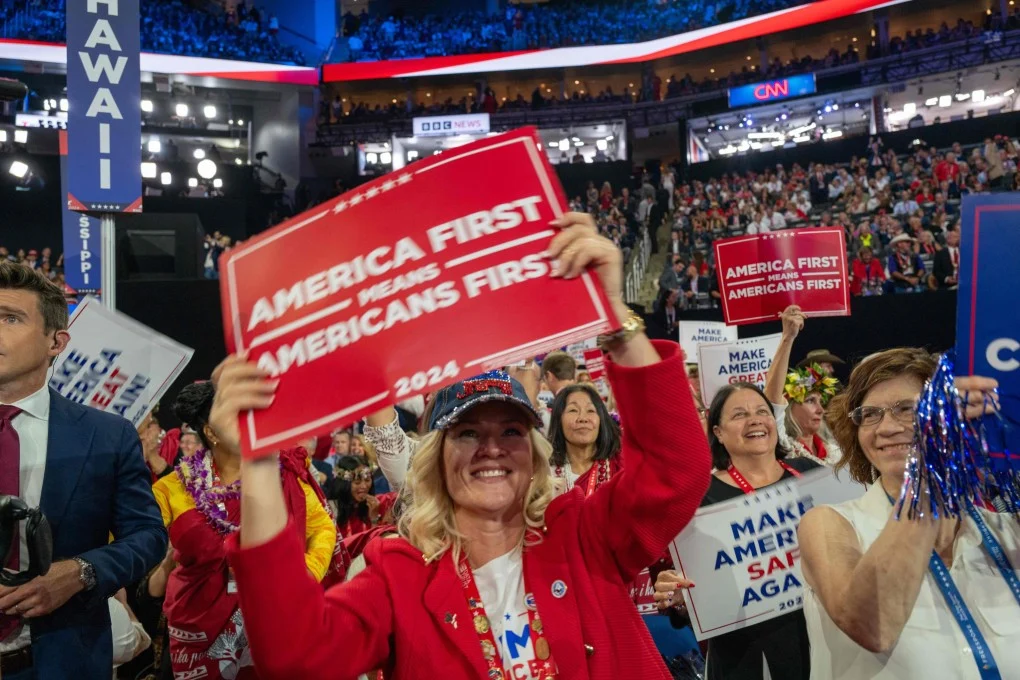
Pressure is mounting on Trump as criticism from within his party escalates, with some members expressing concern that the continuation of the war could lead to adverse outcomes. Recent polls have shown a decline in grassroots support for Trump, raising fears that these divisions could result in negative outcomes in the midterm elections.
Trump, who continues to promote his military victories, faces significant challenges in convincing voters that his strategy is successful. With increasing economic and social pressures, the Republican Party may find itself in a difficult position if these divisions persist.
Background & Context
Historically, US-Iranian relations have been tense since the Islamic Revolution in 1979, experiencing periods of escalation and de-escalation. With rising tensions in recent years, especially after the US withdrawal from the Iranian nuclear deal in 2018, Iran has become a major focal point in US foreign policy. This background underscores the importance of current events and their impact on the internal political situation in the United States.
It is worth noting that the US war against Iran is not new; the United States has previously engaged in military interventions in the region, exacerbating humanitarian and political crises. However, the current situation carries greater risks due to internal divisions within the Republican Party.
Impact & Consequences
Divisions within the Republican Party could lead to a decline in support for Trump, weakening his position in the midterm elections. If these divisions continue, they may result in the party losing seats in Congress, which could affect Trump's ability to implement his foreign policy.
Furthermore, the continuation of the war could exacerbate humanitarian crises in the region, negatively impacting the image of the United States worldwide. Additionally, rising tensions could provoke reactions from other countries in the region, complicating the situation further.
Regional Significance
Developments in US policy towards Iran directly affect the situation in the Arab region. Ongoing conflicts could exacerbate crises in countries like Iraq and Syria, where Iran plays a key role. Moreover, escalating tensions could impact the stability of Gulf states, increasing security risks in the region.
In conclusion, the US war on Iran carries significant implications for US domestic politics, as well as its impact on regional stability. As the midterm elections approach, it will be crucial to monitor how these events unfold and their effect on the future of the Republican Party.