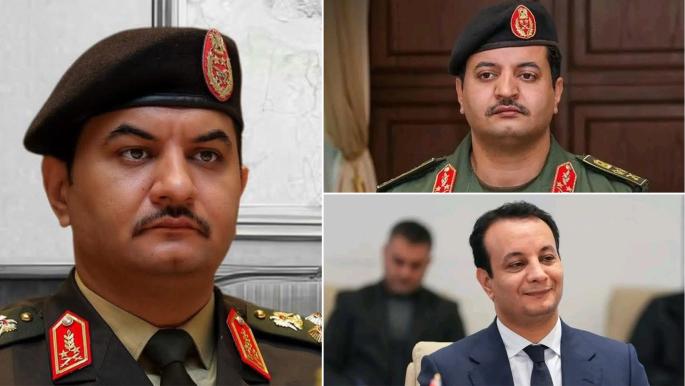
The internal conflict within the ruling Haftar family in eastern Libya has come to light after months of secret competition, following a US-sponsored meeting. This gathering revealed increasing tensions among Khalifa Haftar, the well-known military leader's sons, raising questions about the future of power in the region.
There are growing doubts about the family's ability to maintain cohesion amid these disputes, especially given the difficult political and economic conditions facing Libya. The struggle for influence within the family could significantly impact the region's stability, reflecting the challenges the country faces in its quest for peace.
Details of the Meeting
The meeting of Haftar's sons, held under US sponsorship, came after a long period of covert competition, where accusations and disputes were exchanged privately. Some information about this meeting was leaked, shedding light on the internal disagreements that could affect the future of power in eastern Libya.
Reports indicate that the meeting was not as fruitful as anticipated, as Haftar's sons failed to reach an agreement on how to manage power or distribute influence among themselves. This failure to achieve consensus may intensify tensions within the family and reflect deeper divisions that could affect the stability of the entire region.
Background & Context
Historically, the Haftar family has played a significant role in the Libyan political landscape, with Khalifa Haftar leading the Libyan National Army in various conflicts against armed groups. However, the internal conflict among his sons may signal a shift in the political dynamics of the country, especially in the absence of a clear vision for the future.
Libya is one of the resource-rich countries in oil, yet it has suffered from political divisions and armed conflicts since the overthrow of Muammar Gaddafi in 2011. These conditions make it difficult for any party to achieve lasting stability, increasing the importance of monitoring developments within the Haftar family.
Impact & Consequences
The tensions within the Haftar family could exacerbate the situation in eastern Libya, where rivals may exploit these disputes to strengthen their positions. Furthermore, any division in leadership could open the door for new forces seeking to control the region, complicating the political landscape.
Moreover, these disagreements may affect international relations with Libya, as countries may hesitate to support a particular faction amid uncertainty about who will be the future leader. This could impact foreign investments and international aid that the country desperately needs.
Regional Significance
The conflict within the Haftar family is not merely a local issue; it has ramifications for the entire Arab region. Libya is a strategic crossroads in North Africa, and any instability there could affect neighboring countries. Additionally, internal conflicts may lead to an influx of migrants and refugees into neighboring states, increasing pressure on governments in those countries.
Ultimately, the question remains about how these disagreements will affect Libya's future and whether they will lead to further chaos or open the door to new political solutions. Monitoring events in Libya remains crucial for understanding regional dynamics and their impact on security and stability in the area.